You are planning a refined 2026 wedding and want your timeline organisation mariage to feel fluid and effortless for you and your guests. Yet between travel logistics, multi-day events and a team of premium vendors, the day can easily become rushed or fragmented. This is where a clear timeline (“organisation mariage”) becomes your best ally. From our perspective as wedding photographers for high-end and destination weddings, the way you schedule your day directly shapes both the quality of your images and your experience. On our wedding photography blog, we expand on many of these concepts. In this guide we walk you through a complete retro-planning for 2026 and show you how to turn it into a visual infographic that you and your wedding planner can share with every vendor.
The Perfect Wedding Planning Timeline for 2026: My Photographer’s Step-by-Step Schedule
Reading time : ~14 min
- Why a Photographer-Led Timeline Changes Everything
- The Global Retro-Planning for a 2026 Wedding
- A Sample 2026 Wedding Day Timeline
- How to Turn Your Schedule into an Infographic
- To Do and Not to Do
- Mini FAQ
- Final Thoughts
Why a Photographer-Led Timeline Changes Everything
The Photographer’s Perspective on Your Day
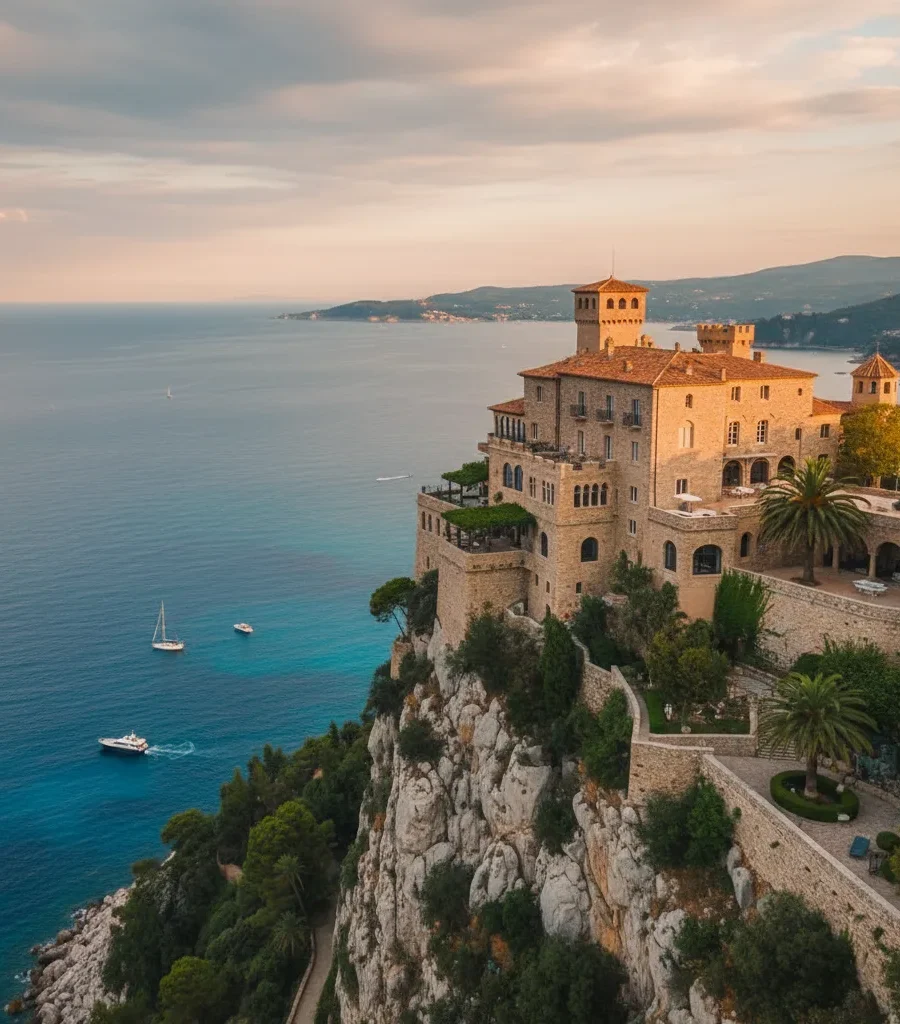
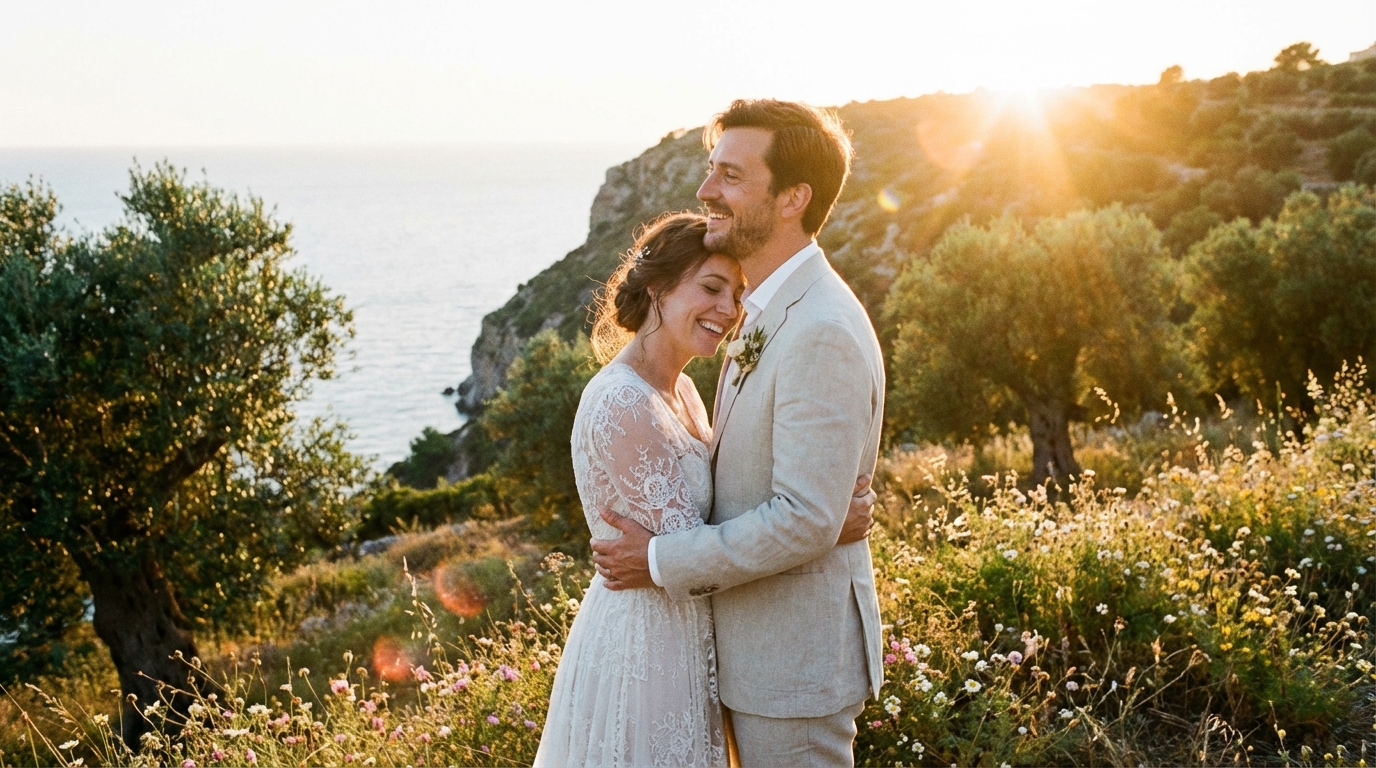
A wedding planner orchestrates global logistics. As photographers we protect your light, your emotions and the natural flow of your story. We consider the times when natural light is best for portraits and details; the emotional rhythm of the day so you can breathe between major moments; the travel time between locations, especially in Provence, Paris or along the Italian coast; and the moments that matter to you most, such as an intimate first look or a sunset cruise on Lake Como. This approach is invaluable for multi-day celebrations, welcome dinner, rehearsal, wedding day, brunch, even a day-after session, because it builds a coherent visual story. If you are still at the very beginning, combine this guide with broader advice on how to organise your wedding calmly and efficiently.
The Global Retro-Planning for a 2026 Wedding
12 to 18 Months Before
Define the foundations: choose an approximate date, celebration format, country, region and guest count; reach out to your key vendors (venue, photographer, videographer, planner); if photography is a priority, check our availability as soon as you have a preferred date and region. Venues and experienced photographers book quickly, and early booking turns your photographer into a trusted visual guide. Photographer advice : create the first block of your infographic called “Vision Stage” with icons for date, venue and photographer, leaving space to note the final choices.
9 to 12 Months Before
Confirm your venue and planner; reserve the caterer and main design vendors; share a first rough draft of your day timeline with photographer and planner. If you dream of golden sunset portraits in Provence, we may suggest a ceremony time that protects that moment without cutting your cocktail short. Infographic tip : add a block named “Structure of the Day”. Use a soft colour for items still flexible and a deeper tone when fixed.
6 to 9 Months Before
Refine the experience: work on your design concept; complete a family questionnaire so we can handle sensitive situations discreetly; build a first shot list for group portraits and essential details. Plan an engagement session to feel comfortable in front of the camera and give us insight into your energy. Infographic tip : create a “Photography” page with spaces for engagement-session date, group-photo list and a map of photo locations.
3 to 6 Months Before
Visit your venue again at a similar hour to observe the light; decide where each part of the getting-ready happens; refine travel times between hotel, ceremony and reception, especially for city weddings in Paris or Lyon. This is the moment to adjust your timeline to the exact sunset. We may suggest moving the first look earlier, extending cocktail time or taking ten minutes between courses for night portraits. Infographic tip : add a “Light Check” block, green sun icon if light is perfect, orange if you need an indoor or lighting backup.
1 to 3 Months Before
Hold a meeting with planner and photographer to walk through every moment; lock the schedule for flat-lays, getting ready, first look, group photos and couple photos; share the final timeline and contact sheet with all vendors. Plan couple portraits away from guests, even if only for twenty minutes, and keep a buffer before major transitions. For budget alignment see building a wedding budget for 2026. Infographic tip : colour-code three block types, logistics, emotions and photos, so everyone spots where you absolutely cannot cut time.
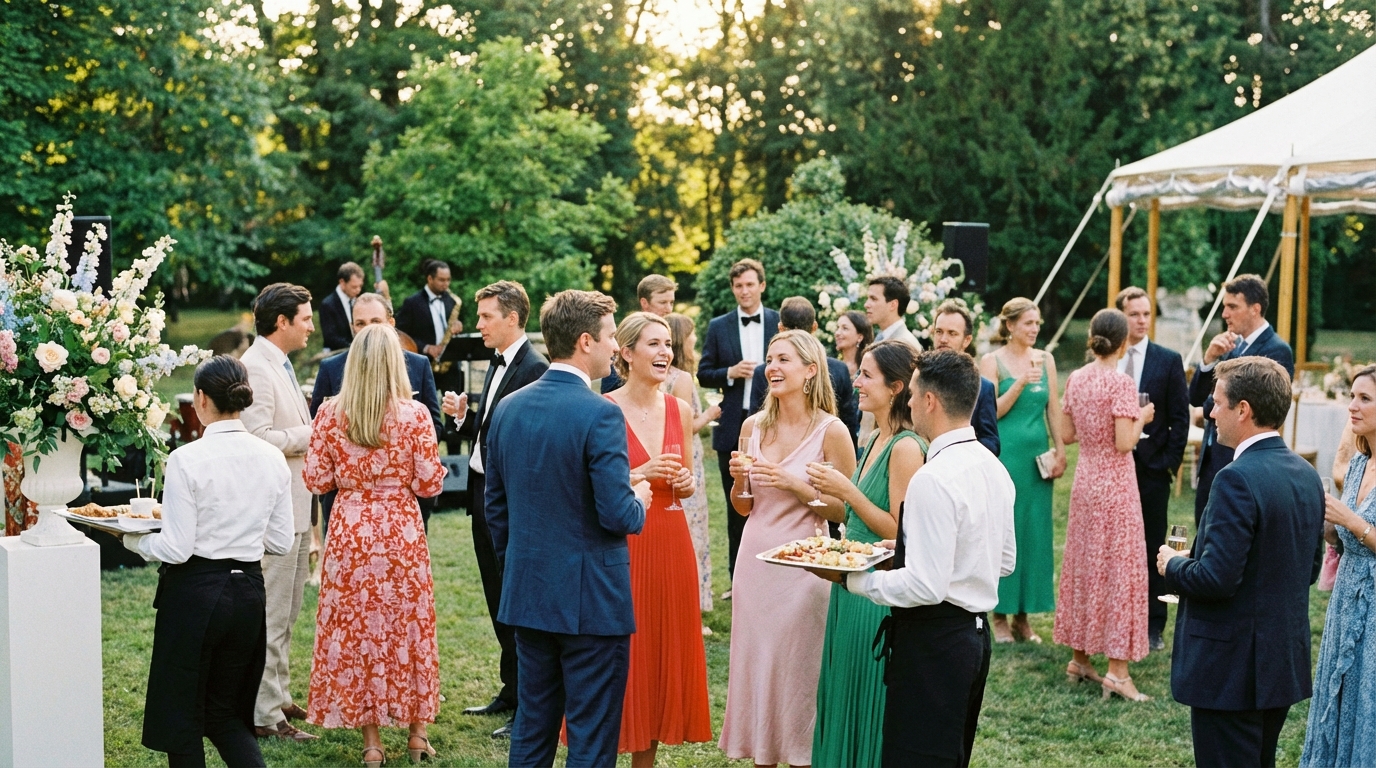
A Sample 2026 Wedding Day Timeline
| Time | Key Moment | Duration | Photographer Advice |
|---|---|---|---|
| 10:00 – 12:00 | Bridal hair & make-up | ≈ 2 h | We arrive 1 h after start; bright uncluttered room; details (ring box, stationery, shoes, accessories) grouped. |
| 12:00 – 12:30 | Robe & bridesmaids | 30 min | Keep the room intimate to capture joyful, calm images. |
| 12:30 – 13:00 | Light lunch & groom prep | 30 min | Easy food and drink; if in the same place we move between rooms smoothly. |
| 13:00 – 14:00 | Bridal dressing | 1 h | Storytelling plus composed portraits; tidy room; choose who helps you into the dress. |
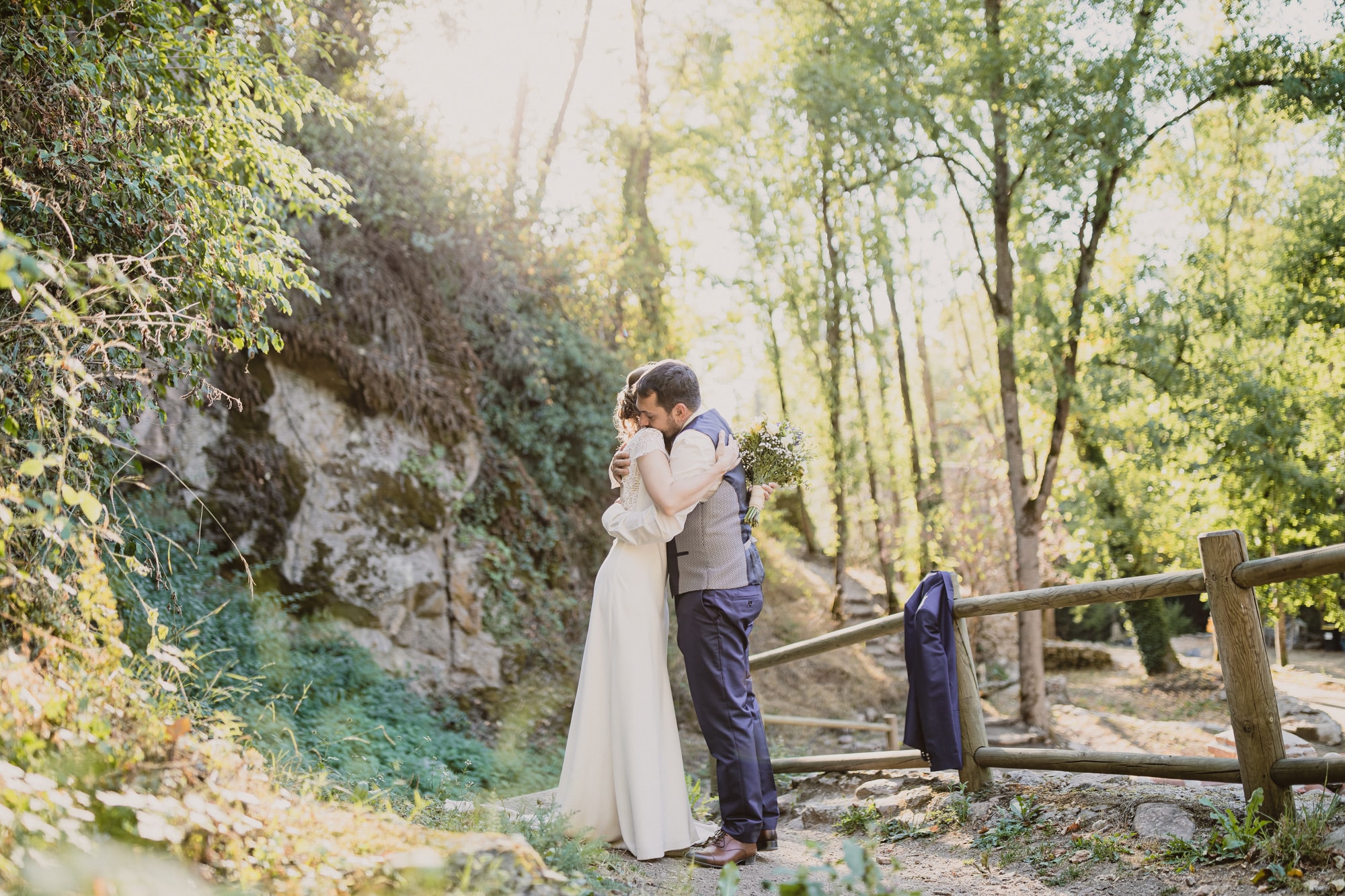
| 14:00 – 14:30 | First look & portraits | 30 min | Private, well-lit spot; scouted in advance; high-emotion moment. |
| Before ceremony | Guest arrival & décor | 20 – 30 min | Ceremony décor must be complete; we capture candid arrivals. |
| 15:30 | Ceremony | Variable | Focus on emotions; add 15 min after exit for confetti or group shot. |
| After ceremony | Refreshments & group photos | 30 – 40 min | Provide printed group list so a helper can call names efficiently. |
| 18:00 – 20:00 | Cocktail & couple portraits | ≈ 2 h | We document ambiance; plan 20 min near sunset for soft, timeless images. |
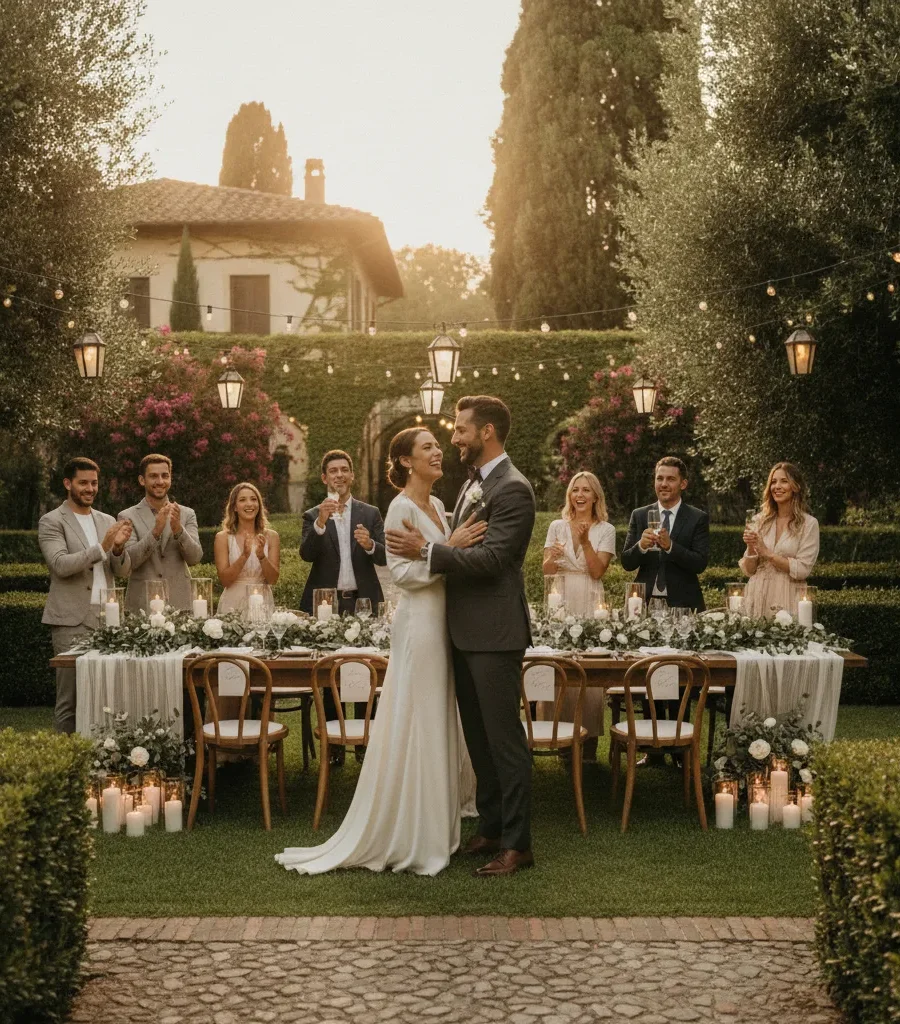
| 20:15 | Dinner entrance & speeches | Variable | Possible quick night or blue-hour portraits between courses. |
| 00:00 – 01:00 | First dance & party | ≥ 1 h | We stay through first dance, cake cutting and part of the party; allow flexibility for spontaneous moments. |
For a deeper breakdown see planning your wedding day schedule, which complements this photographer-driven view.
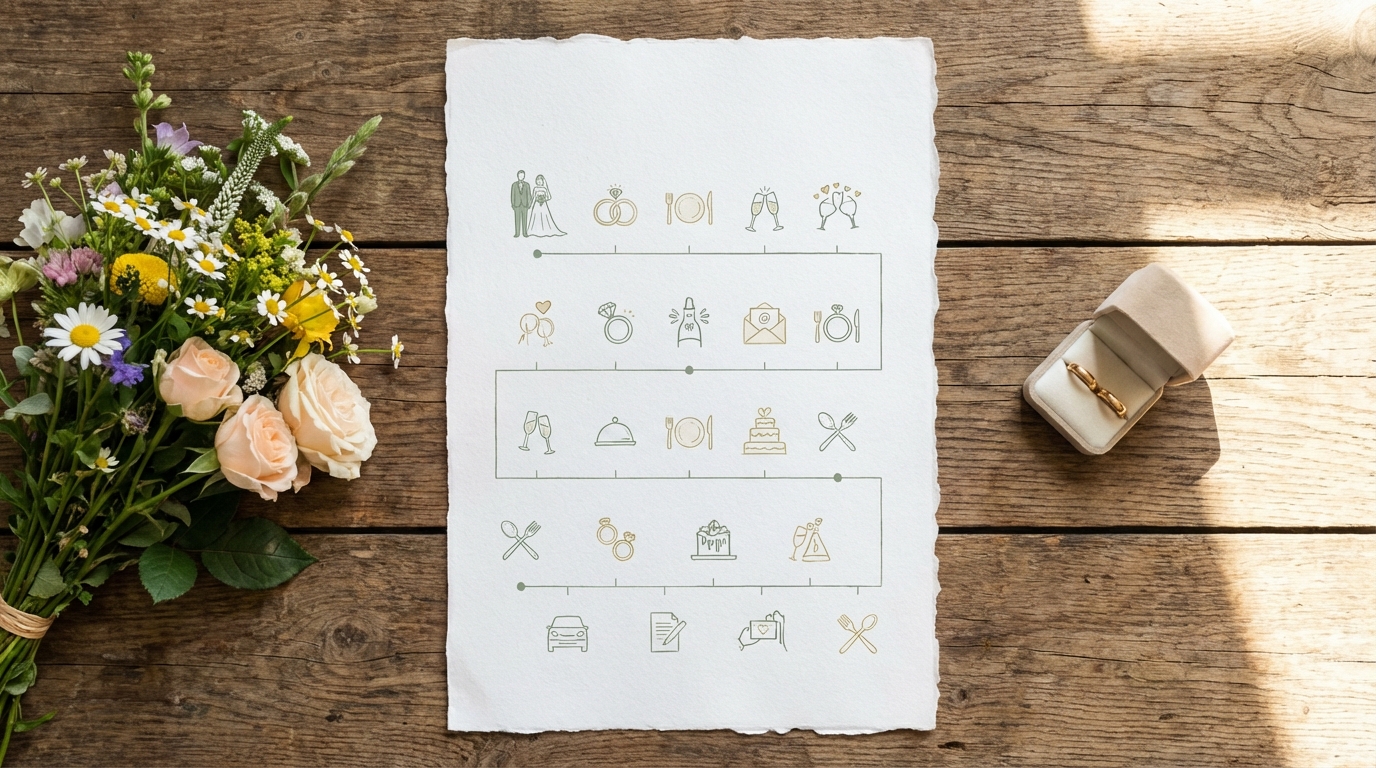
How to Turn Your Schedule into an Infographic
- Choose a clean vertical format (A4 or US Letter). Many couples use tools like Canva.
- Define a colour code: one tone for logistics (transfers, set-up), one for emotional highlights (first look, vows, toasts) and one for photo priorities (couple portraits, décor).
- Add simple icons, a ring for ceremony, glass for cocktail, camera for photo sessions, car for transfers, to help international teams.
- Place a one-line photographer note under each block, e.g., “Getting ready : choose a bright tidy room”.
- Share the draft with planner, venue, photographer and videographer, then revise. This small effort prevents stress on the day. For visual inspiration see thirty must-have wedding photos.
To Do and Not to Do
Essential Actions
Start your timeline at least one year ahead, especially for destination weddings and high-season dates; involve planner, photographer and videographer early so the schedule supports both logistics and beautiful light; add buffers before every major moment (ceremony, portraits, dinner entrance); keep time just for the two of you, away from guests and cameras, so you can breathe and reconnect.
Common Pitfalls
Avoid scheduling your only couple session in harsh daylight during cocktail hour if you love soft, romantic images; do not group all speeches at the very end of dinner when guests are tired; never forget travel times between city hall, church and reception, especially in busy cities; and do not change the schedule significantly at the last minute without informing planner and photographer, as it limits what can be documented. For broader pitfalls see wedding mistakes to avoid.
Mini FAQ
When should we book our photographer for 2026 ?
For high-end venues in France and popular destinations like Santorini or the Amalfi Coast, contact your photographer 12 – 18 months in advance, especially if you want the same team for engagement session, welcome dinner and wedding day.
How long do we need for relaxed couple portraits ?
Two short sessions usually work better than one long one: plan 20 – 30 minutes after the first look and another 20 minutes near sunset to avoid fatigue and provide two atmospheres in your gallery.
Can a one-day wedding still have a beautiful timeline ?
Absolutely. A single-day celebration can feel rich and cinematic if the schedule respects your natural rhythm. Your planner and photographer will help you make balanced choices.
What if the weather changes and we lose natural light ?
Your timeline should always include a Plan B for rain or early night, especially for winter weddings. We anticipate this during venue visits and prepare indoor alternatives with good light or lighting equipment so your images remain elegant. For winter-specific advice see making the most of a winter wedding.
Final Thoughts
Designing a thoughtful timeline for 2026 is one of the most powerful ways to protect both your experience and your images. By starting early, involving your photographer and planner, and translating the schedule into a clear infographic, you create the conditions for a calm, luminous and deeply personal celebration, whether in Paris, Provence or across Europe. To explore how this approach fits within a complete high-end photography service, see our work as a luxury wedding photographer and begin imagining how your own story could unfold.