Few decisions spark as much debate among couples planning a destination wedding as the “First Look” photo. Should you see each other before the ceremony, in a quiet, intentional moment away from your guests? Or should you preserve that raw, unscripted reaction for the aisle? There is no universally right answer, and any photographer who tells you otherwise is prioritizing their workflow over your experience. What matters is understanding what each choice truly means for your day, your emotions, and ultimately your photographs. This guide walks you through both options honestly, so you can make the decision that genuinely reflects who you are as a couple.
First Look photo at your destination wedding
To First Look or Not to First Look? A Photographer’s Perspective
Temps de lecture : ~9 min
- What the First Look photo actually is
- The case for doing a First Look at your destination wedding
- The case for keeping the traditional reveal
- How to plan a First Look that actually works
- What to do and what not to do
- FAQ
- Choosing the First Look option that fits your day
| Option | Emotional experience | Logistics at a destination wedding |
|---|---|---|
| First Look before the ceremony | A private, intentional moment that can ground you emotionally, reduce anxiety, and keep the focus on each other. | Requires starting hair, makeup, and getting ready earlier, but allows most portraits to be completed before the ceremony and frees you to enjoy cocktail hour with your guests. |
| Traditional aisle reveal | A public, high-intensity reveal framed by music, architecture, and the collective emotion of everyone you love. | Keeps your morning slower and more relaxed, but often shifts portraits to after the ceremony, which can reduce your time at cocktail hour and keep guests waiting longer. |
What the First Look photo actually is
Defining the First Look photo
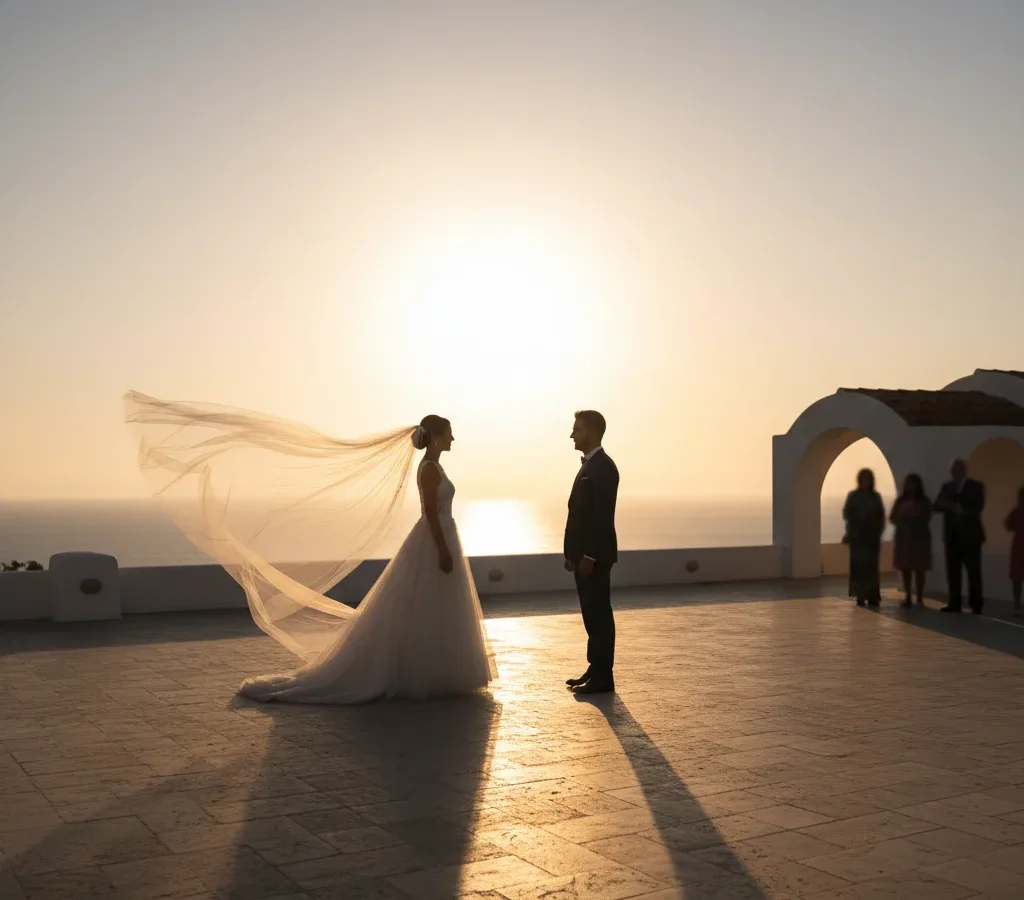
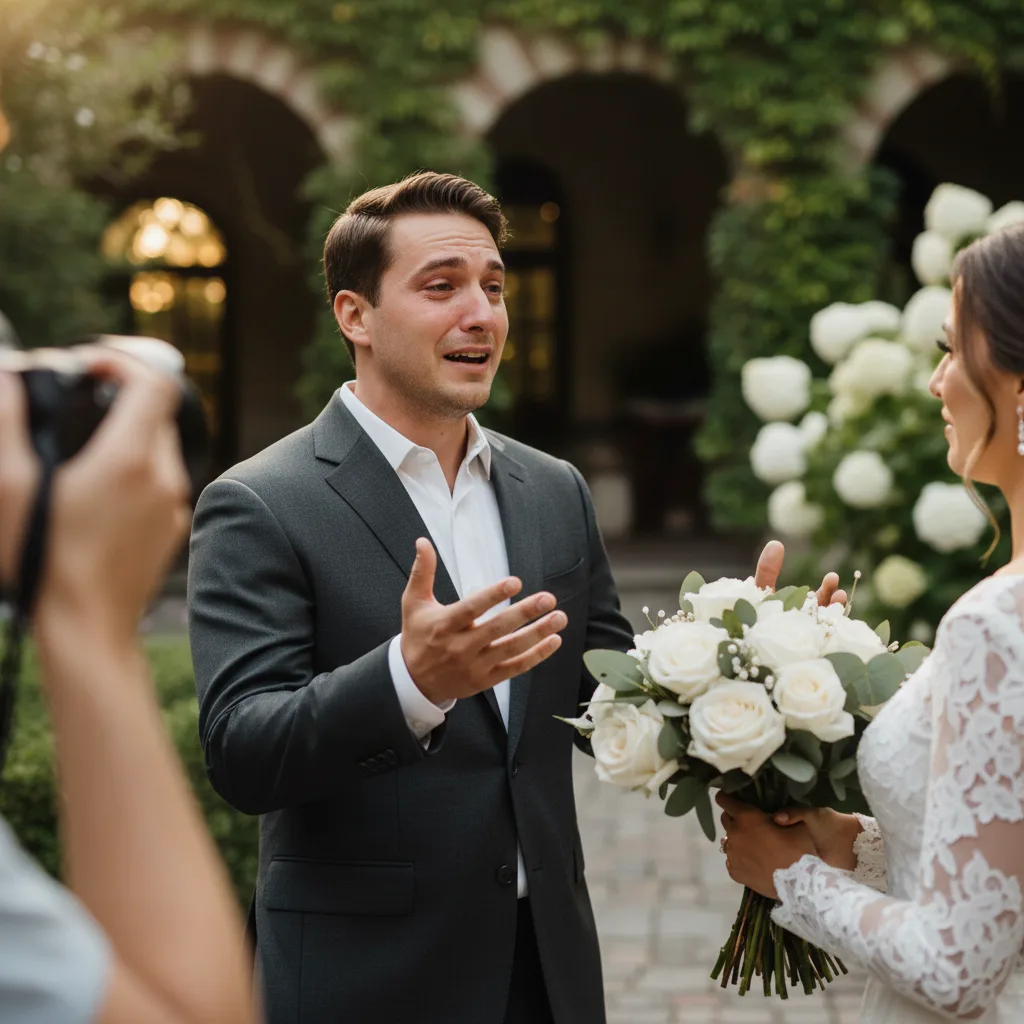
A First Look is a deliberate, semi-private moment where the couple sees each other in their wedding attire before the ceremony begins. It is not a spontaneous accident. It is a carefully chosen pause in the day, usually set one to two hours before the ceremony, in a location scouted for its light, its intimacy, and its visual quality.
The typical sequence unfolds like this: one partner waits, often with their back turned or eyes closed, while the other approaches. The reveal happens through a tap on the shoulder, a quiet word, or simply the sound of footsteps. What follows, whether tears, laughter, silence, or all three at once, is what the photographer is there to capture. A short portrait session almost always follows immediately, while the light is still favorable and the emotions are still close to the surface.
This is distinct from the traditional approach, where the couple sees each other for the first time as one partner walks down the aisle, surrounded by every guest they love. Both moments can be deeply moving. They are simply different in texture, in intimacy, and in what they ask of you.
The case for doing a First Look at your destination wedding
Benefits of a First Look at a destination wedding
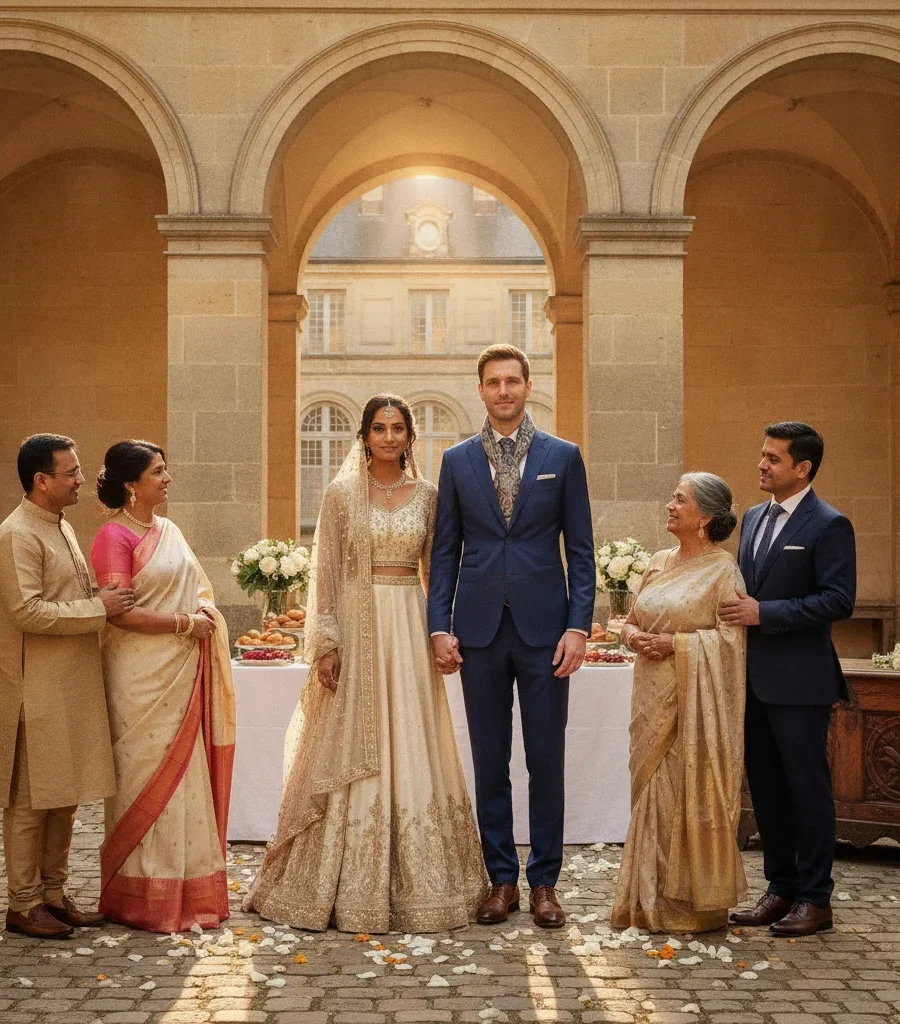
For couples planning a multi-day celebration in France or Italy, the logistical argument for a First Look is genuinely compelling. A destination wedding weekend involves welcome dinners, late nights, and a level of emotional intensity that begins long before the ceremony itself. Having a quiet, private moment together before the ceremony is not just a photographic strategy; it is often a form of emotional grounding.
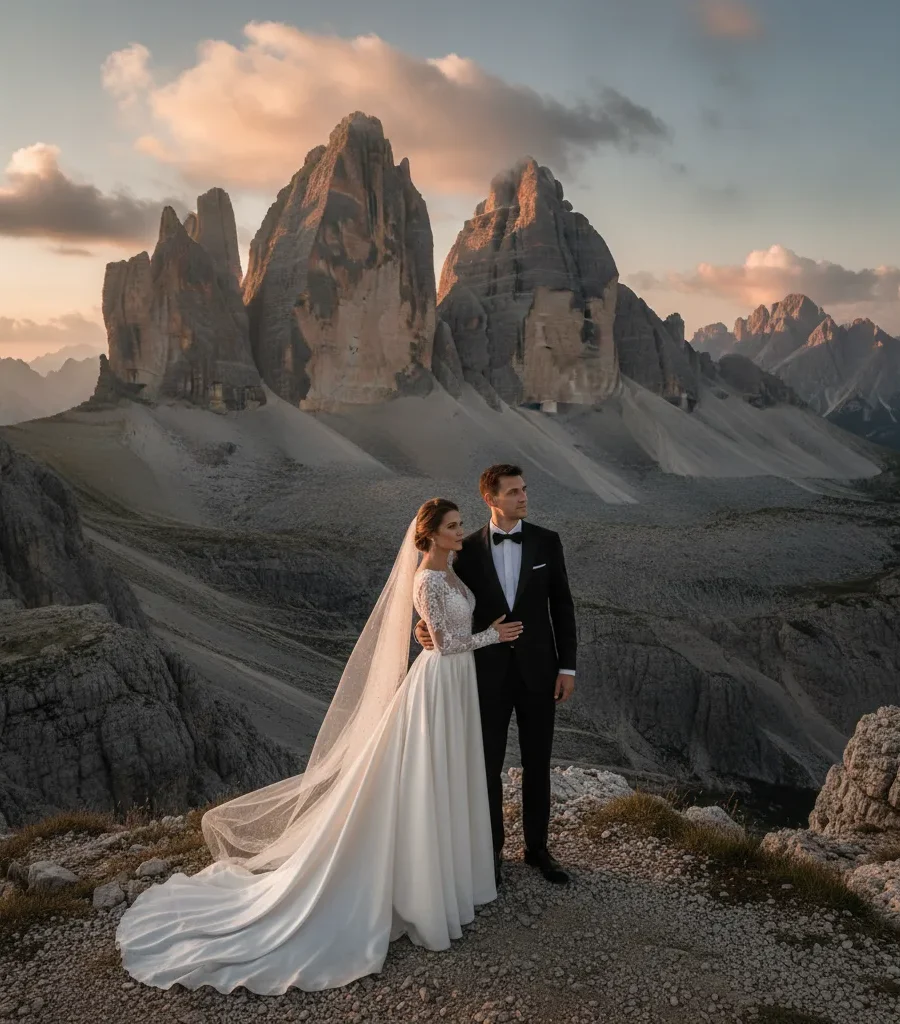
From a photography standpoint, a First Look creates two dedicated windows of time for portraits rather than one. The session immediately after the reveal captures raw, unguarded emotion. A second session later in the day, often during golden hour at a French chateau or along the Amalfi coastline, yields the more cinematic, editorial images that couples from Los Angeles or San Francisco often describe when they say they want something that feels like Vogue Weddings. Having both gives the final gallery a remarkable range.
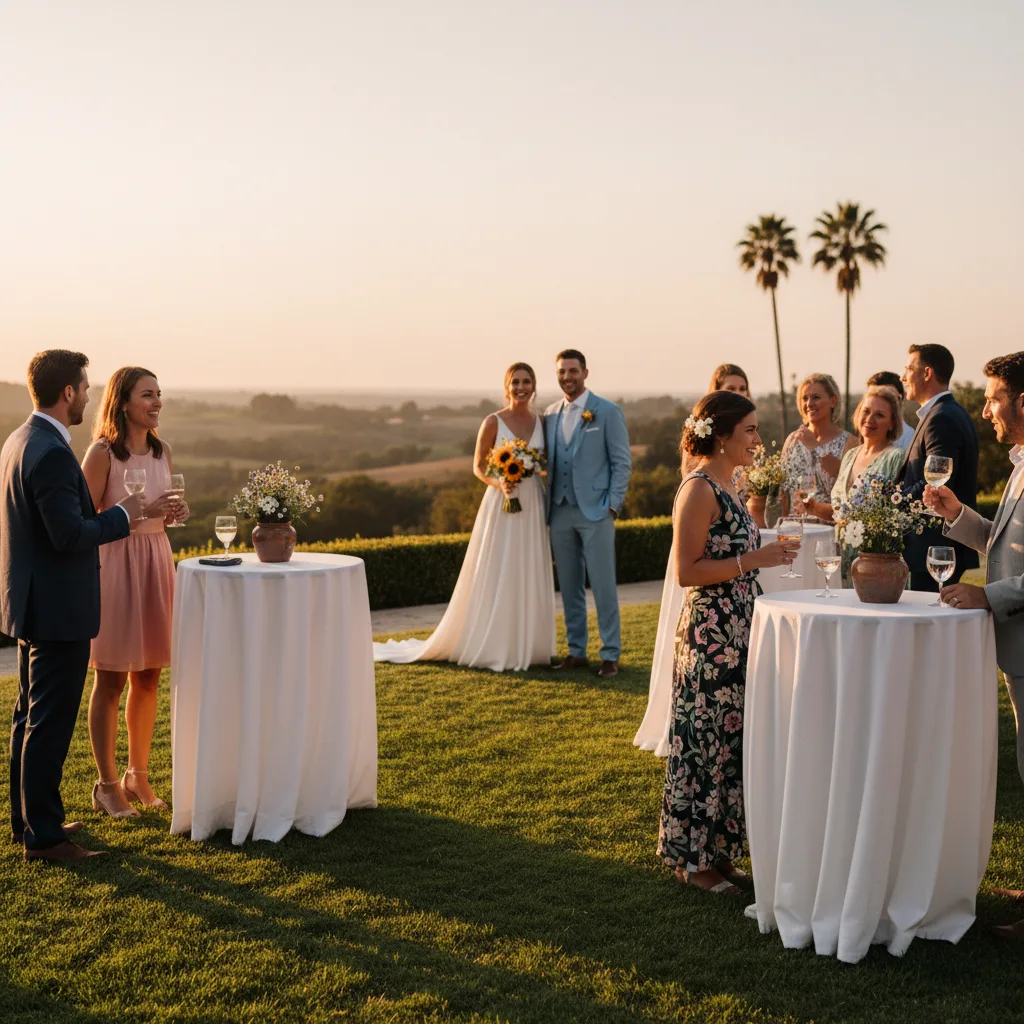
There is also the matter of your guests. When all family portraits and wedding party photos are completed before the ceremony, the cocktail hour becomes exactly what it should be: a celebration. Your guests are not waiting in the heat for two hours while you disappear for photographs. You are present, relaxed, and genuinely enjoying the people who flew across the world to be with you.
Finally, and this is something many couples underestimate: seeing each other before the ceremony tends to reduce anxiety significantly. Walking down the aisle after a First Look, you are not meeting a stranger in formal attire. You are walking toward someone you have already held, already laughed with, already cried with that day. The aisle moment does not lose its power. It simply becomes something different, often something even more intentional.
The case for keeping the traditional reveal
Why keep the traditional aisle reveal
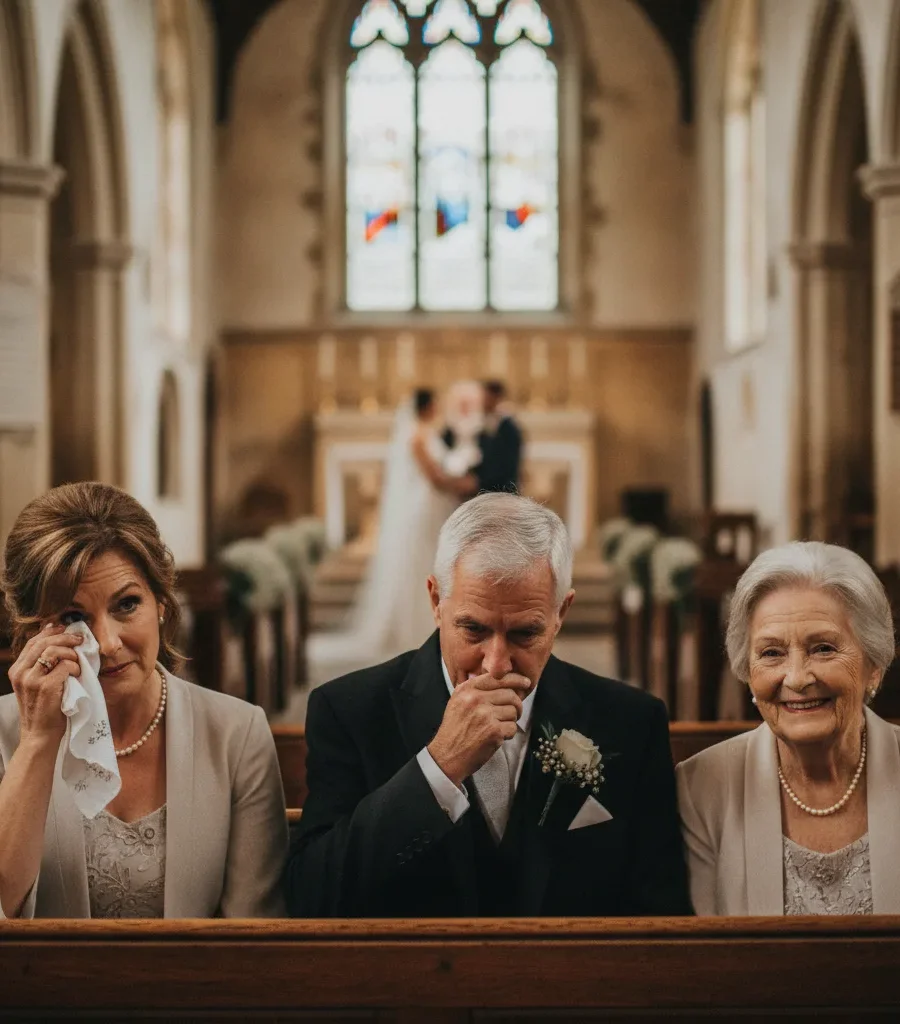
Some couples feel the aisle moment in its traditional form is non-negotiable, and that instinct deserves full respect. There is something irreplaceable about the scale of a ceremony reveal: the music, the architecture of a French chapel or an Italian villa garden, the collective emotion of a room full of people who love you. The gasp from your guests, the tears from your parents, the expression on your partner’s face as you appear at the end of the aisle. These are not small things.
For couples who are deeply private by nature, the idea of a staged pre-ceremony moment can feel slightly performative, even when executed with complete discretion. If the thought of a photographer being present for what you consider your most intimate moment of the day creates any tension, that tension will show in the photographs. Authenticity cannot be manufactured, and a skilled photographer knows this.
There is also a practical consideration: a First Look requires the day to begin earlier. Hair, makeup, and getting ready must be completed with enough margin to allow for travel to a scouted location, the reveal itself, and the portrait session that follows. For some couples, that earlier start is simply not how they want their wedding morning to feel.
How to plan a First Look that actually works
If you decide to include a First Look in your day, the quality of the experience depends almost entirely on the planning that precedes it. A few principles drawn from experience with destination weddings across Provence, the French Riviera, and Tuscany:
Key principles for a successful First Look
- Choose a location close to your ceremony venue or getting-ready space to avoid unnecessary travel time. The best First Look locations are often already on the property: a garden corridor, a stone archway, a terrace with a view.
- Allow at least 15 to 30 minutes for the reveal and the immediate portrait session that follows, and build a buffer around that time in your overall timeline.
- Decide in advance who will be present. Some couples want complete privacy, with only the photographer and videographer. Others want their parents nearby. The mood of the photographs will reflect that choice.
- Trust your photographer to position themselves correctly and to stay back during the actual moment. Over-directing a First Look turns a genuine emotional exchange into a performance, which is precisely what you want to avoid.
What to do and what not to do
Do discuss the First Look decision with your photographer early in the planning process, ideally during your first consultation call. The timeline implications are significant and need to be built into the day from the start. Do scout the location together with your photographer, or ask them to send you options in advance if you are planning remotely from California or New York. Light quality, background, and privacy all matter. Do allow the moment to unfold without trying to manage it. Your photographer is there to capture what happens, not to choreograph it.
Do not over-plan the reveal itself. Deciding in advance exactly what you will say, how you will turn, and how long you will hold the moment tends to produce photographs that look rehearsed rather than real. Do not schedule the First Look in direct midday sun without discussing alternatives with your photographer. Harsh, overhead light is flattering to no one and difficult to work with, especially in the south of France or Tuscany in summer. Do not treat the First Look as a replacement for a golden hour portrait session. The two serve different purposes and produce different imagery. The best destination wedding galleries include both.
FAQ
Will a First Look ruin the emotion of the ceremony?
This is the most common concern, and the honest answer is no, it does not, at least not in the way most couples fear. What changes is the nature of the emotion, not its presence. Couples who have done a First Look consistently report that walking down the aisle still produced tears, still felt significant, still moved them. What was different is that they felt calmer, more grounded, and more fully present in the ceremony itself. The aisle moment becomes less about the shock of seeing each other and more about the conscious choice to walk toward one another in front of everyone you love.
How long does a First Look take, and when should it be scheduled?
Most photographers recommend scheduling the First Look one to two hours before the ceremony, with 15 to 30 minutes allocated to the reveal and the immediate portrait session that follows. In practice, for a destination wedding with multiple locations and a larger wedding party, building closer to 45 minutes into the timeline is wise. This allows for the emotional moment itself, a short but meaningful portrait session while everything is still fresh, and a transition into wedding party or family photographs if those are planned for before the ceremony.
What if the weather is bad on the day?
This is a genuine concern for outdoor destination weddings, and it is one worth discussing with your photographer well in advance. A good photographer will always have a backup plan: a covered loggia, an interior with strong window light, a stone archway that provides shelter without sacrificing atmosphere. In Provence and Tuscany especially, even overcast days produce beautiful, diffused light that is often more flattering than direct sun. The key is flexibility and a photographer who has worked in your venue or region before and knows its options intimately.
Choosing the First Look option that fits your day
Whether you choose a First Look or prefer to preserve the traditional ceremony reveal, the decision should come from a genuine conversation between the two of you, informed by what you know about your own personalities, your timeline, and what kind of photographs you want to look back on in thirty years. A wedding photographer’s role is not to push you toward one option or the other, but to execute whichever you choose with complete craft and discretion.
If you are in the early stages of planning your European destination wedding and want to talk through how a First Look might or might not fit into your day, Lino Ludovic offers a first consultation designed exactly for that kind of conversation.