There is a reason some of the most iconic wedding images ever taken are monochrome. Black and white wedding photography strips away the noise of color and leaves behind something far more enduring: pure emotion, light, and human connection. For couples planning a destination wedding in France or Italy, and for the planners who orchestrate these extraordinary events, understanding how and when to use this approach can elevate an entire visual story. This guide explores the artistic logic behind the choice, the technical decisions that make it work, and the common mistakes that undermine it.
The Timeless Power of Black and White in Wedding Photography
Temps de lecture : ~7 min
- Why Monochrome Images Hold Such Emotional Weight
- When to Choose Black and White Over Color
- How to Shoot for Strong Black and White Results
- Editing for Depth and Clarity
- Dos and Don’ts of Black and White Wedding Photography
- FAQ
- Black and White Wedding Photography as a Timeless Artistic Choice
Why Monochrome Images Hold Such Emotional Weight
Emotion beyond distraction
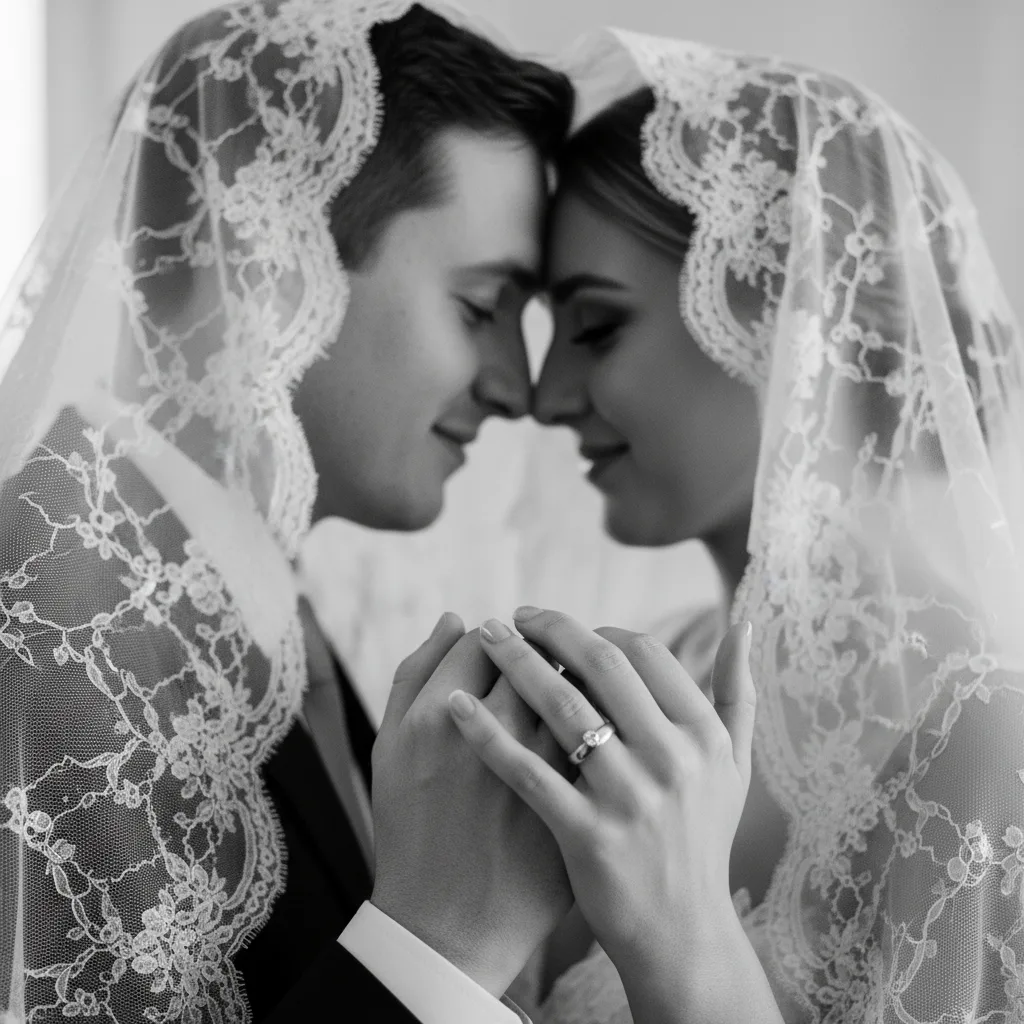
Color is powerful, but it is also distracting. A bright floral centerpiece, an unexpected patch of sunlight on a stone wall, or a mismatched jacket in the background can all pull the viewer’s eye away from what actually matters: the expression on a father’s face as he sees his daughter for the first time, the quiet laugh shared between two partners before they walk down the aisle, the tears that appear when vows are spoken aloud.
When color is removed, the brain is freed to focus entirely on tone, texture, light, and gesture. This is why black and white wedding photography has endured across generations while color trends come and go. It does not feel dated because it was never anchored to a specific era’s palette. A monochrome image from a wedding at a French château in 2026 carries the same visual weight as one taken in the same setting forty years ago. That is not an accident. It is a deliberate artistic choice rooted in the physics of perception.
A cinematic, editorial aesthetic
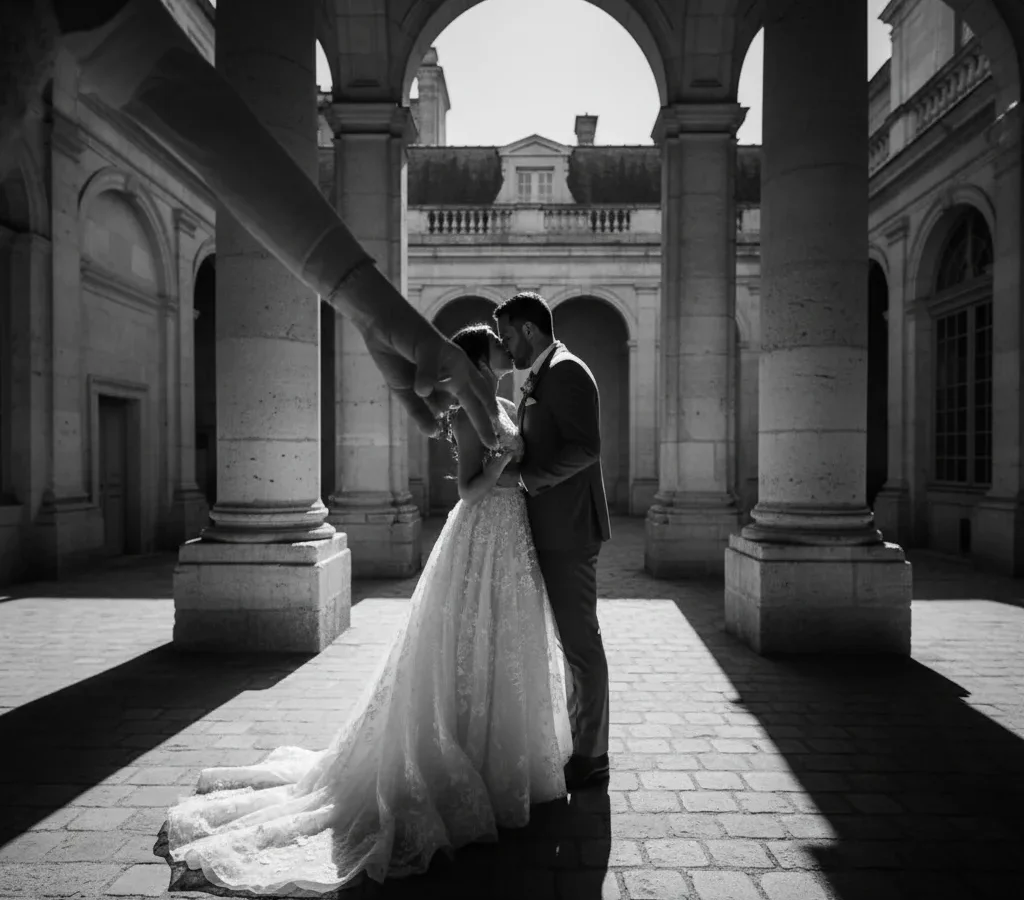
Monochrome also tends to amplify the cinematic quality of an image. Strong shadows, dramatic natural light filtering through high stone windows, the graphic interplay of a bride’s dress against a dark interior: these elements become architectural when color is absent. For couples drawn to an editorial aesthetic, the kind seen in publications like Vogue Weddings, this dimension of the style is often what resonates most.
When to Choose Black and White Over Color
The decision to convert an image to black and white should never be made as a default or as a corrective measure. It should be intentional. The most reliable question to ask is this: does color add anything meaningful to this image? If the answer is no, monochrome is almost certainly the stronger choice.
Moments that benefit from black and white
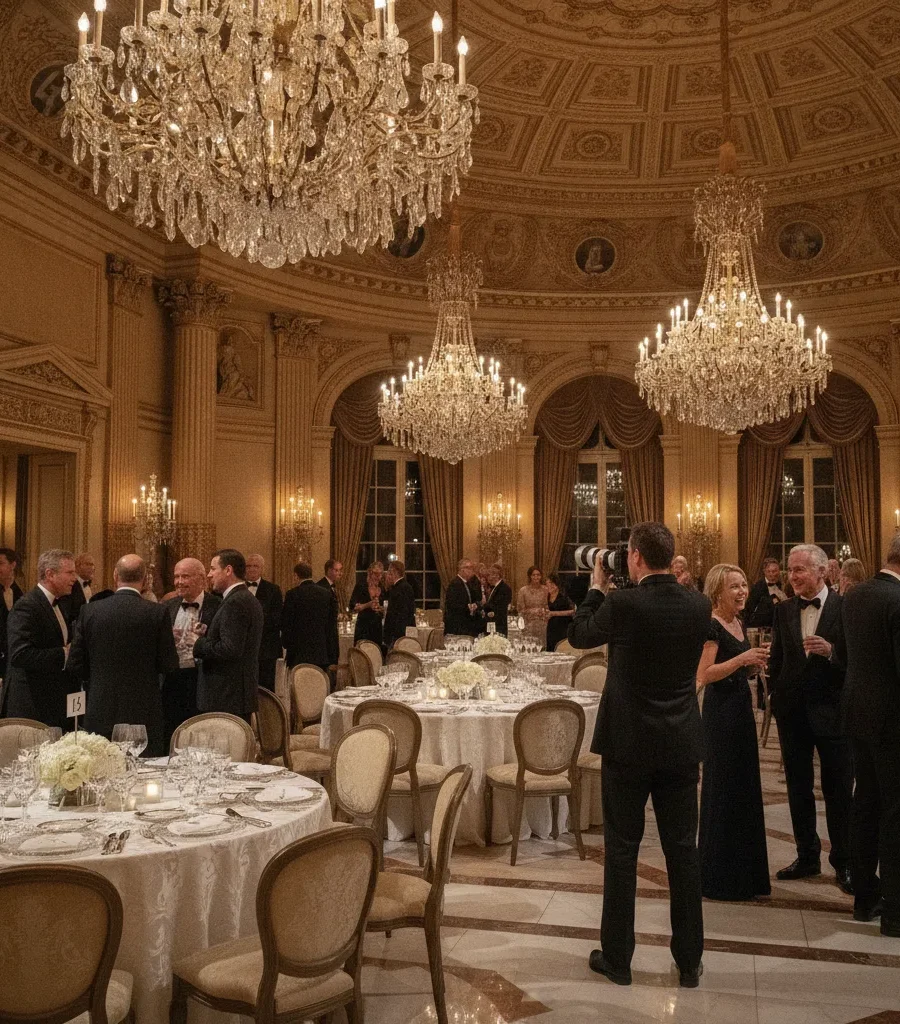
Certain types of moments are natural candidates. Candid emotional scenes, such as a grandmother quietly wiping her eyes during a ceremony, or two friends embracing at a welcome dinner, tend to read more powerfully in black and white. The absence of color focuses attention on the expression rather than the environment. Similarly, images where the background contains visually competing elements, a mix of tablecloth colors, catering staff moving in the distance, or uneven ambient lighting, often benefit from conversion because the tonal range unifies what was previously chaotic.
When color should remain the hero
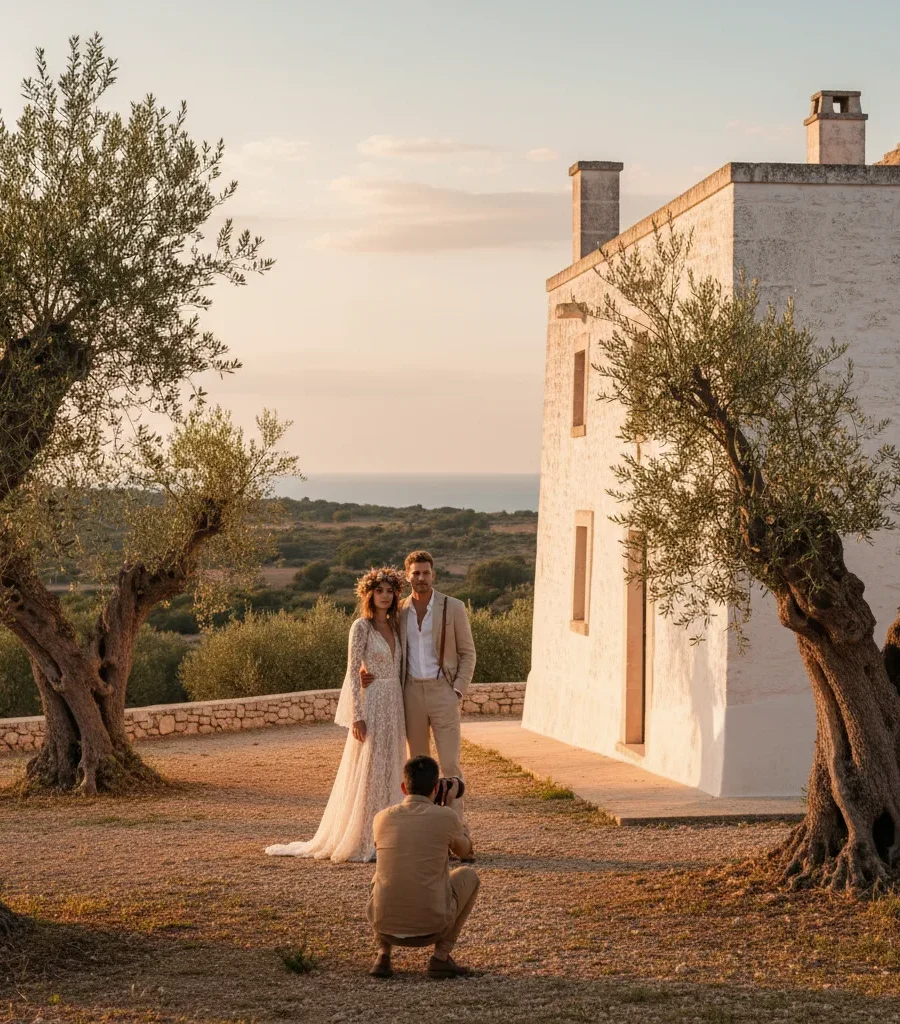
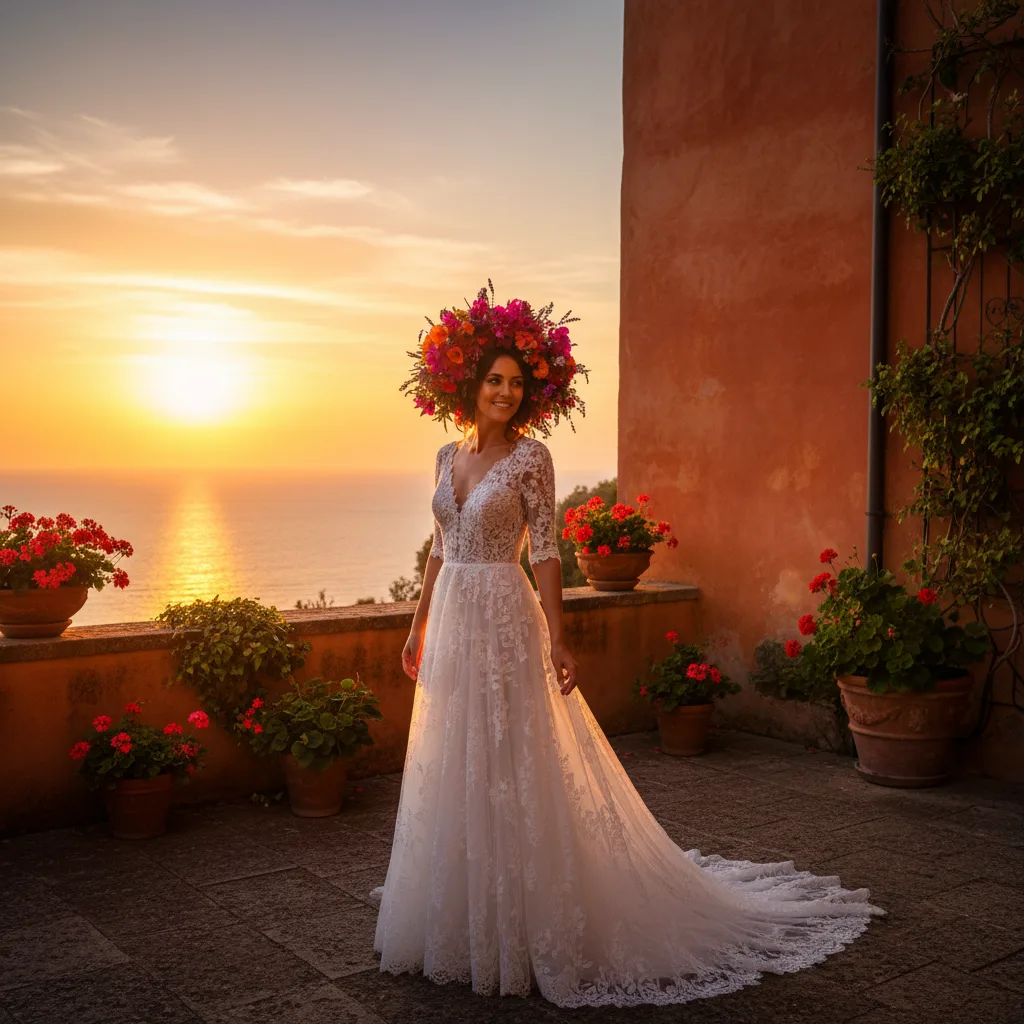
Conversely, there are moments where color is the story. The deep blue of the Mediterranean at dusk, the warm gold of Tuscan light at the hour before sunset, a bride’s vivid floral crown against a white dress: these images lose something essential when converted. Knowing the difference is a core part of photographic judgment, and it is something developed over years of shooting high-stakes events where every image must earn its place in the final gallery.
How to Shoot for Strong Black and White Results
Strong images first, conversion second
The most important principle here is one that experienced photographers internalize early: you cannot rescue a weak image with a black and white conversion. If the composition is unclear, the exposure is off, or the subject’s expression is neutral, removing color will only make those problems more visible. The tonal range becomes the only thing left to evaluate, and it will expose every flaw.
Composing with tone and light in mind
Shooting with black and white in mind means composing more deliberately from the start. It means looking for strong graphic lines, for windows and doorways that create natural frames, for the interplay of light and shadow on stone floors or draped fabric. It means positioning yourself so that the subject’s face catches the light rather than falls into flat shadow. It also means being patient enough to wait for the gesture or expression that gives the image its emotional anchor.
Technical considerations for rich monochrome files
From a technical standpoint, the quality of a monochrome conversion depends heavily on the balance between highlights and shadows captured in the original file. Shooting in RAW format preserves the tonal information needed to make nuanced adjustments in post-production. A well-exposed image with a full tonal range will produce a black and white result with depth and presence. A flat or overexposed file will produce something that looks washed out regardless of how it is processed.
Editing for Depth and Clarity
Beyond simple desaturation
Post-production is where the artistic vision is either realized or lost. A black and white conversion is not simply a matter of desaturating an image. The way different colors in the original file are mapped to tones in the monochrome version determines everything: whether skin tones appear luminous or flat, whether a dark suit reads as rich charcoal or muddy grey, whether a stone wall has texture or becomes an undifferentiated mass.
Working with channels and contrast
Working with individual color channels during editing allows for precise control. Lifting the red and orange channels slightly brightens skin tones and gives faces a natural warmth even in the absence of color. Adjusting the blue channel can deepen skies or lighten them depending on the mood required. Micro-contrast adjustments bring out texture in fabric, hair, and architectural detail without making the image feel over-processed.
Local adjustments that guide the eye
Localized retouching is also valuable. A subject partially lost in shadow can be brought forward with targeted exposure adjustments, maintaining the dramatic quality of the overall image while ensuring the viewer’s eye lands where it should. The goal is always an image that feels effortless, as though the light and the moment simply aligned on their own.
Dos and Don’ts of Black and White Wedding Photography
| Do | Do not |
|---|---|
| Choose conversion based on emotional and compositional strength, not as a default | Convert images to black and white to hide technical problems such as poor exposure or distracting backgrounds that are structurally integrated |
| Shoot in RAW to preserve full tonal information for editing | Apply a single preset uniformly without evaluating each image individually |
| Use strong natural light and deliberate framing to build images that work in monochrome from the start | Overlook moments where color is an essential part of the story |
| Vary the use of black and white within a gallery to create narrative rhythm alongside color images | Treat monochrome as a stylistic shortcut rather than a considered artistic decision |
FAQ
When should wedding photos be in black and white?
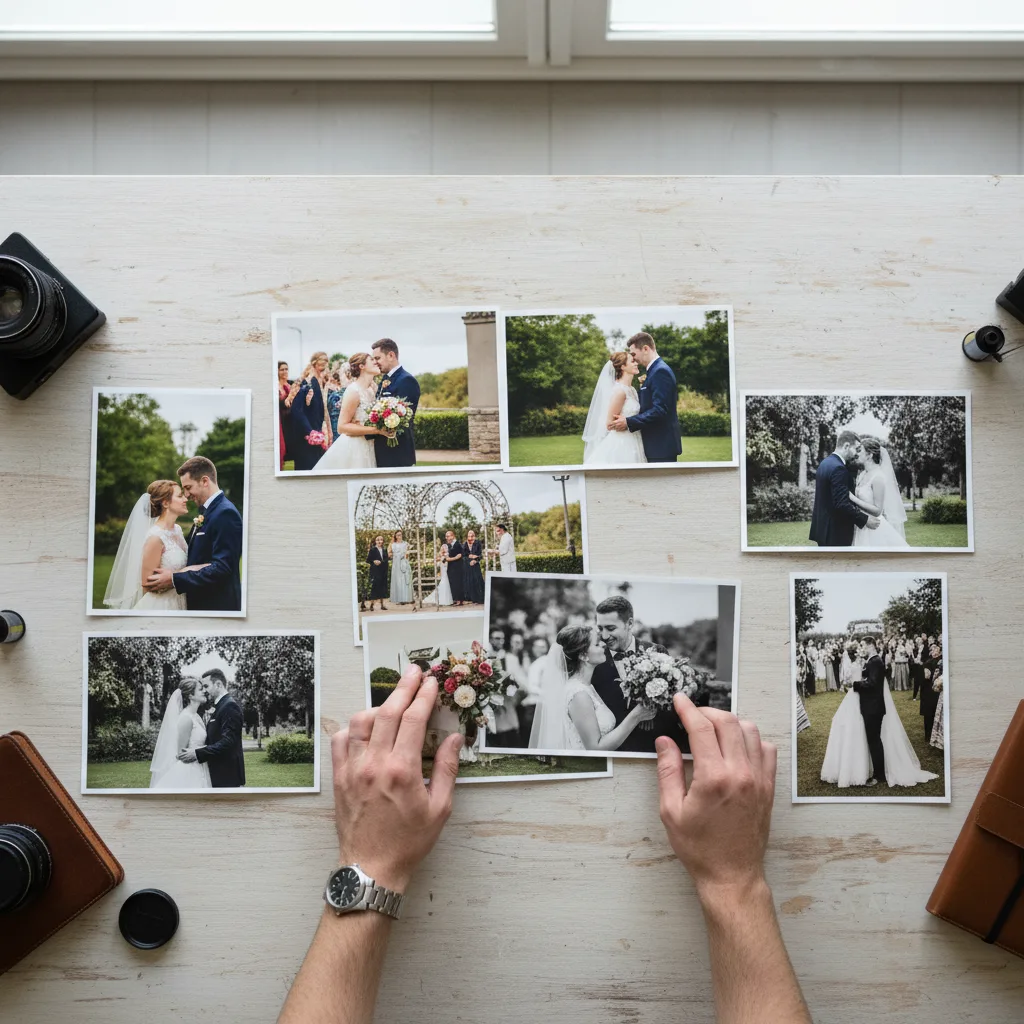
The strongest candidates are images where emotion, gesture, or composition carry the narrative without any contribution from color. Candid ceremony moments, quiet exchanges between guests, and portraits in dramatic natural light are all situations where monochrome tends to amplify rather than diminish the impact. If color is adding visual noise rather than meaning, black and white is likely the right choice.
Does black and white wedding photography look more timeless?
Yes, and the reason is straightforward. Color trends age. The specific palette of a particular decade becomes recognizable over time and anchors an image to a moment in cultural history. Monochrome is not subject to the same drift. An image built on strong light, composition, and emotion will remain visually compelling regardless of when it was taken. This is one of the reasons that fine art wedding albums often include a significant proportion of black and white images.
Should the photographer shoot in black and white or convert later?
Shooting in color and converting in post-production is almost always the better approach. It preserves maximum flexibility and allows for precise tonal control during editing. Shooting in camera black and white mode limits the information available in the file and makes it impossible to recover color if the conversion turns out to be the wrong choice for a particular image. The decision about which images become monochrome is best made during the editing process, with full access to the original tonal data.
Can any wedding photo be converted to black and white?
Technically, yes. Artistically, no. Only images that are already strong in terms of exposure, composition, and emotional content will benefit from conversion. Black and white does not improve a weak image. It removes the one element, color, that might have been providing visual interest in the absence of stronger compositional qualities.
Black and White Wedding Photography as a Timeless Artistic Choice
Black and white is not a filter. It is a visual language with its own grammar, and using it well requires the same level of craft and intention as every other aspect of documentary wedding photography. The decision to convert a specific image, and to leave another in color, shapes the emotional arc of an entire gallery or album. It determines which moments feel intimate and which feel cinematic, which details recede and which come forward.
For couples investing in a destination wedding in France or Italy, the visual record of that event will be something they return to for the rest of their lives. The images that tend to endure are not always the technically perfect ones. They are the ones that captured something true. Black and white, used with discipline and artistic judgment, has an extraordinary capacity to do exactly that. If you would like to see how this approach translates across multi-day destination celebrations, you are welcome to explore the full portfolio at linoludovic.fr.