There is a quiet revolution happening in the world of luxury wedding photography. As couples invest more than ever in destination celebrations across the châteaux of France and the villas of Tuscany, a growing number of discerning clients are asking the same question about film vs digital wedding photography. The answer is rarely simple, and it should never be arbitrary.
At Lino Ludovic, this choice is made with intention, guided by a deep understanding of light, emotion, and the kind of images that endure for generations. This article walks you through the real differences between film vs digital wedding photography, so you can make an informed decision before your most important day.
Film vs Digital Wedding Photography | What to Choose
Reading time: ~9 min
- In brief
- What film wedding photography actually looks like
- What digital wedding photography delivers
- Film vs digital wedding photography: a direct comparison
- Does film work in low light at weddings?
- The case for hybrid wedding photography
- How much does film wedding photography cost?
- Is analog wedding photography worth it for your celebration?
- Choosing the right approach for your wedding day
- Frequently asked questions
In brief
- Film wedding photography delivers a distinctive grain structure, soft color rendering, and a timeless aesthetic that digital sensors struggle to replicate naturally.
- Digital photography offers unmatched reliability, low-light performance, and flexibility across fast-moving wedding moments.
- Film costs more due to stock, lab development, and scanning, but the perceived value and visual quality justify the investment for high-end celebrations.
- A hybrid approach, combining both formats, is increasingly the gold standard for luxury destination weddings.
- Delivery timelines differ significantly between analog and digital workflows, and couples should plan accordingly.
What film wedding photography actually looks like
How film wedding photography works
Film photography uses rolls of light-sensitive emulsion, typically 35mm or medium format, to capture images on physical film stock. Each roll contains a limited number of frames, which changes the way a photographer approaches every single shot. When you load a roll of Kodak Portra 400 or Fuji 400H Pro, you are committing to a more intentional framing process. There is no burst mode, no instant review, no safety net of a thousand digital files.
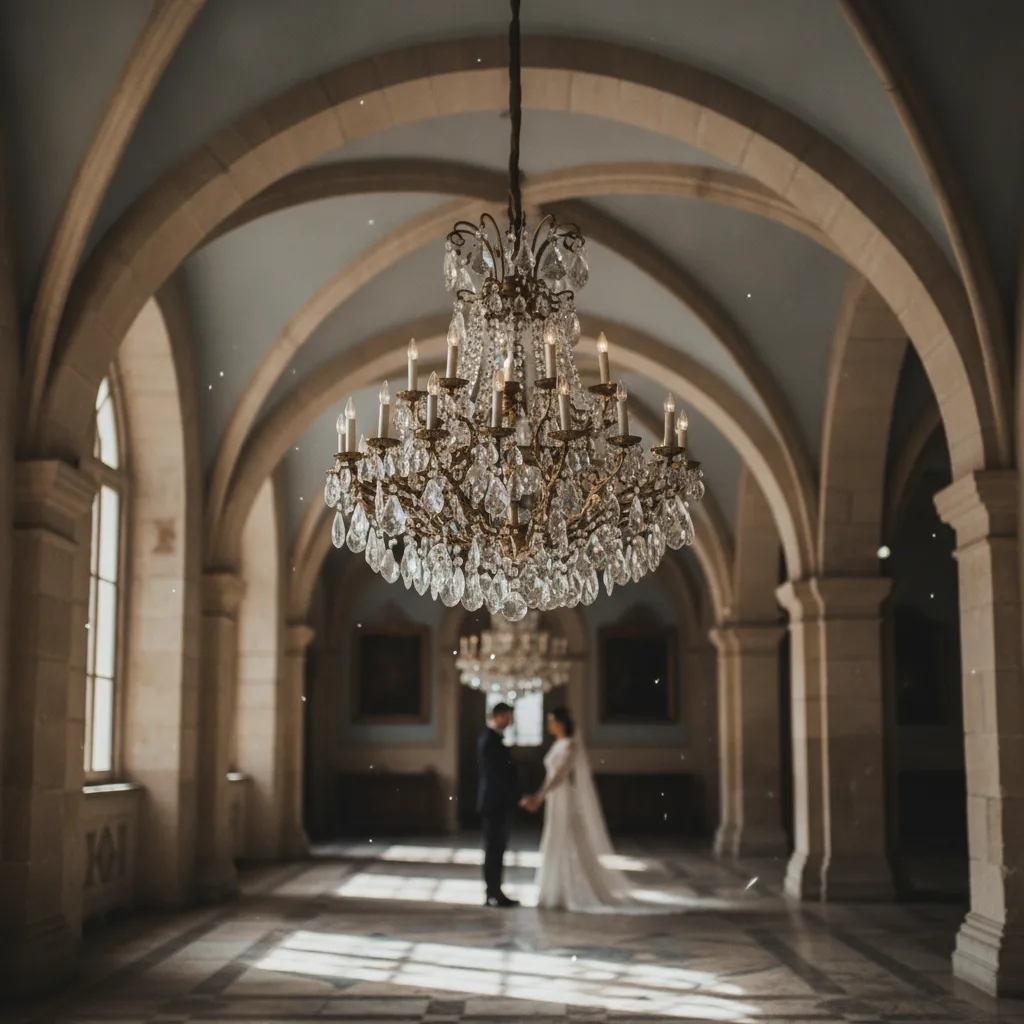
The result is a visual language that many couples and planners describe as irreplaceable. Film produces a natural highlight rolloff, meaning bright areas transition gently into shadow rather than clipping harshly. Skin tones rendered on Kodak Portra 400 carry a warmth and depth that even the most sophisticated post-processing in Adobe Lightroom cannot fully replicate. The grain structure, far from being a flaw, adds a tactile quality to images that feels deeply human. This is precisely the aesthetic that editorial publications like Vogue Weddings have long favored for their most celebrated features.
What digital wedding photography delivers
The strengths of digital wedding photography
Digital photography uses an electronic sensor and memory cards to capture images as RAW files, which are then processed and color graded in post-production. The advantages are substantial and should never be dismissed. A modern digital camera handles low-light wedding photography with remarkable precision, making it the more reliable choice for candlelit dinner receptions, dimly lit chapels, or late-night dance floors. Continuous shooting and burst mode allow a photographer to capture fast, unpredictable moments during the ceremony or first dance without missing a beat.
Digital also offers immediate backup and file redundancy, which matters enormously when documenting a once-in-a-lifetime event. The image delivery timeline is significantly shorter, as files can be processed and delivered within a few weeks of the wedding day. For couples who need sneak peeks for social media or planners who require early images for press submissions, digital is the more practical foundation.
Film vs digital wedding photography: a direct comparison
Understanding the core differences helps you make a confident decision. The following comparison covers the criteria that matter most for a luxury destination wedding.
| Criterion | Film | Digital |
|---|---|---|
| Visual aesthetic | Soft grain, warm tones, nostalgic depth | Sharp, clean, vibrant, true-to-life |
| Low-light performance | Limited; requires controlled or natural light | Excellent; modern sensors handle dark venues |
| Intentionality | High; limited frames require deliberate choices | Lower; volume shooting is possible |
| Color rendering | Rich, organic, with natural highlight rolloff | Precise, consistent, easily graded in post |
| Cost | Higher due to film stock, lab development, scanning | More cost-effective for full-day coverage |
| Delivery timeline | Longer; lab processing adds several weeks | Faster; typically 4 to 8 weeks post-wedding |
| Reliability | Lower; no instant review, no burst mode | Higher; immediate backup and file redundancy |
| Best for | Portraits, editorial moments, natural light | Full-day coverage, receptions, dark venues |
Does film work in low light at weddings?
This is one of the most practical questions couples ask, and the honest answer is nuanced. Film photography performs beautifully in natural light and golden hour conditions, which is why it is so well suited to outdoor ceremonies in the south of France or morning portraits on an Italian terrace. However, as the light drops and the reception moves indoors, film reaches its limits. ISO sensitivity on film stock is fixed at the moment of loading, meaning you cannot adjust it frame by frame the way a digital sensor allows.
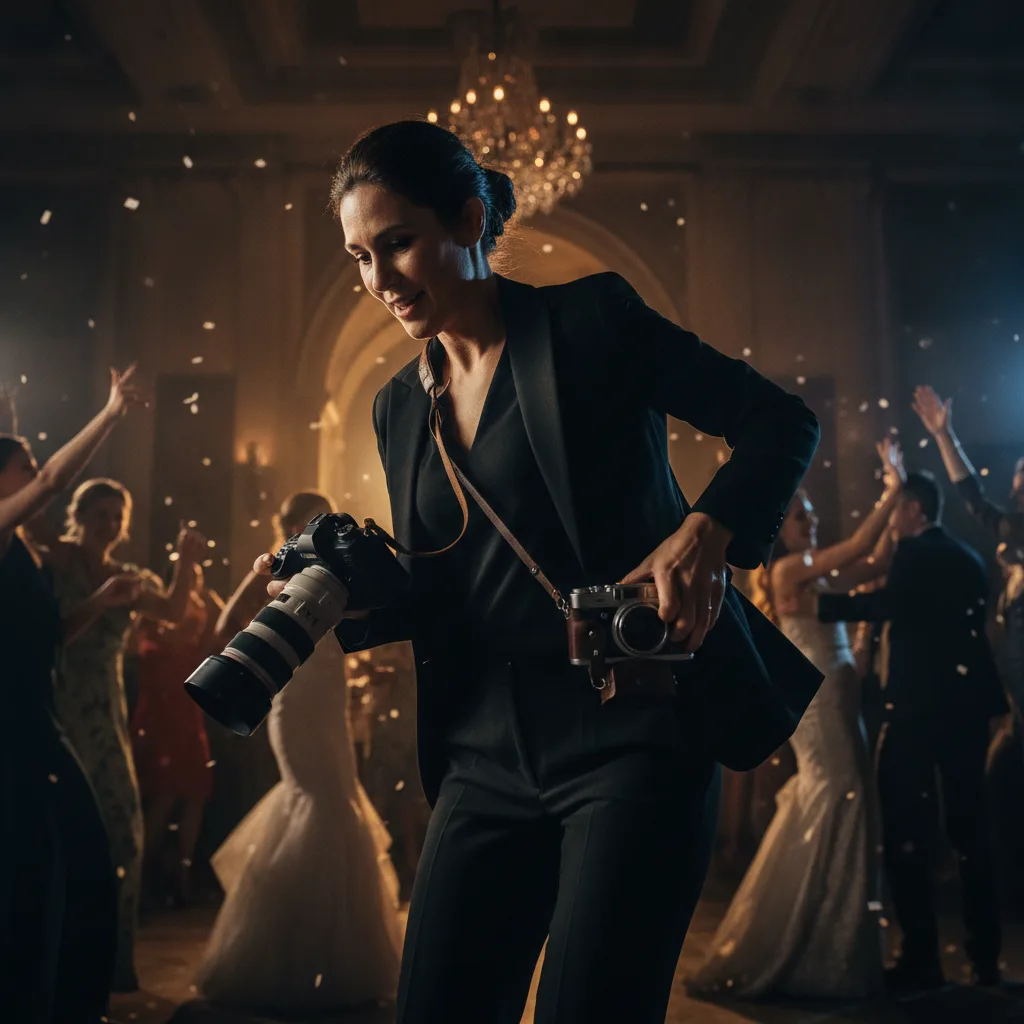
For this reason, relying exclusively on film for a full multi-day wedding celebration carries real risk. A welcome dinner in a candlelit wine cellar, a late-night dance floor in a historic château, or an indoor ceremony in a Gothic chapel all demand the flexibility and dynamic range of a digital sensor. Experienced film wedding photographers understand these low-light limitations and plan their coverage accordingly.
Important: When shooting on film, the photographer sends the rolls to a specialist lab such as Richard Photo Lab or The Darkroom Lab for development and scanning. This process takes time and cannot be rushed without compromising quality. Couples should factor this into their timeline expectations from the very first conversation.
The case for hybrid wedding photography
Why combine film and digital on a wedding day
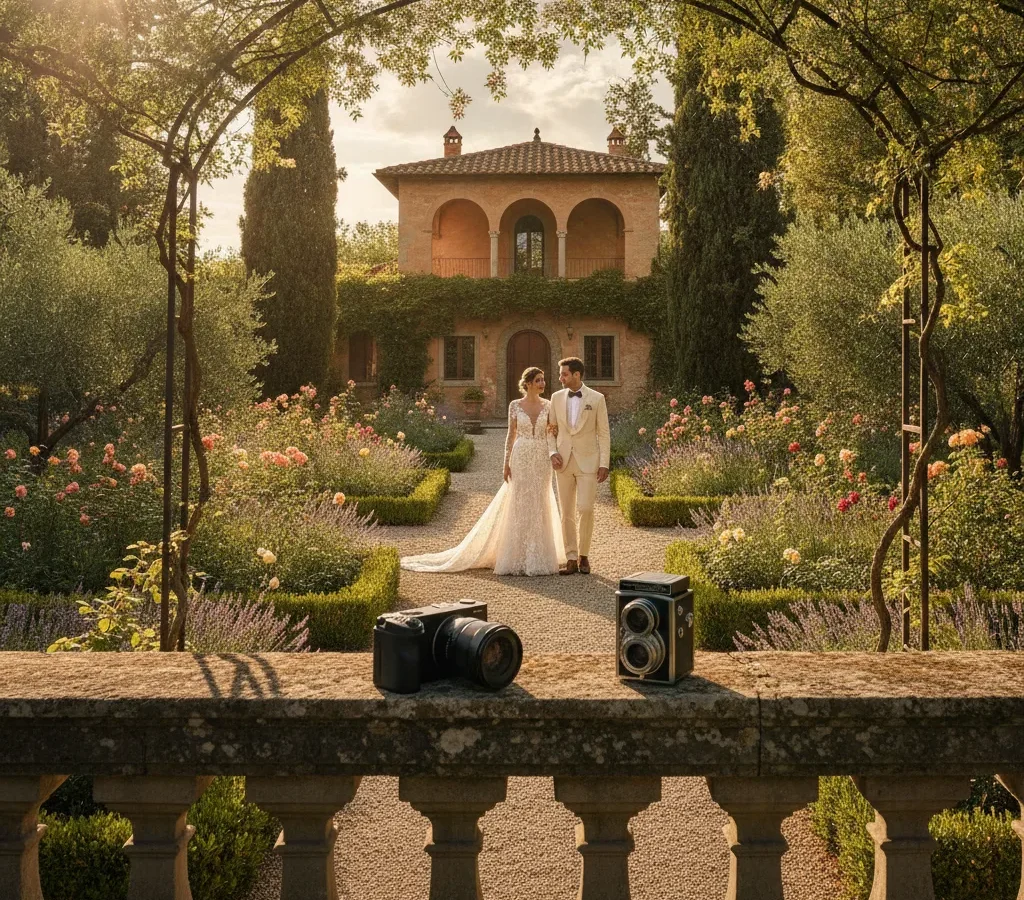
The most sophisticated approach to luxury wedding coverage today is hybrid wedding photography, a method that combines analog and digital workflows within the same event. This is not a compromise; it is a deliberate artistic strategy. Digital handles the full-day coverage, the fast-moving moments, the low-light reception, and the reliability that a six or seven-figure celebration demands. Film is reserved for the moments that deserve the most care: the bridal portrait session, the quiet exchange of vows, the editorial couple session during golden hour.
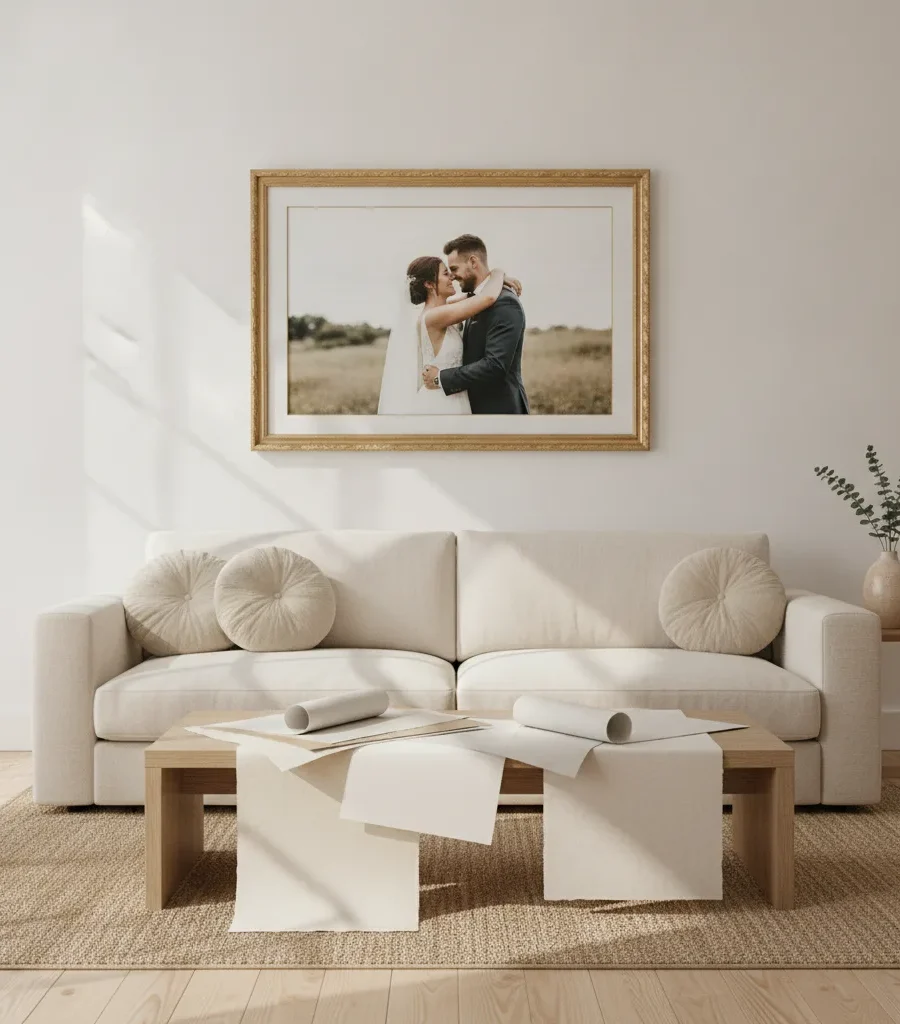
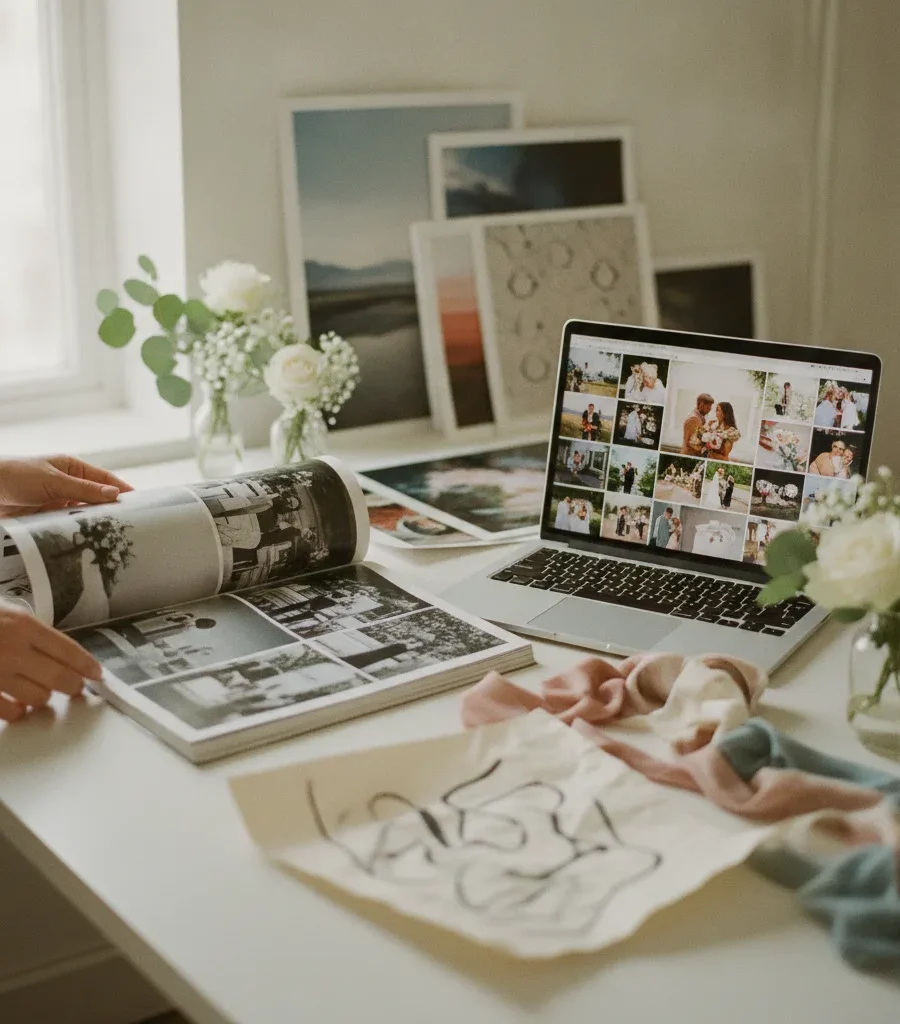
At Lino Ludovic, this hybrid approach reflects a broader philosophy. Every image should feel earned. The intentional framing that film demands translates into a stronger editorial portrait, a more considered composition, a photograph that feels less like documentation and more like art. When a fine-art heirloom album is crafted from a mix of analog and digital images, the result is a visual narrative with texture, depth, and emotional truth that no single format could achieve alone.
Good to know: Medium format film cameras, which use larger film stock than 35mm formats, produce an even richer tonal range and shadow detail. They are particularly well suited to formal bridal portraits and editorial couple sessions in grand architectural settings.
How much does film wedding photography cost?
Why film wedding photography is priced at a premium
Film wedding photography is consistently more expensive than digital coverage, and understanding why helps couples appreciate the value. Each roll of 35mm film contains between 24 and 36 frames. A roll of medium format film yields even fewer. Every roll must then be shipped to a specialist lab, developed by hand, and scanned at high resolution before a single image can be reviewed. The cost of film stock, lab development, and professional scanning adds a meaningful overhead to every session.
Beyond the material costs, the analog workflow is slower and more labor-intensive. A photographer working with film invests significantly more time per image than one working exclusively in digital. This cost structure is well documented across the industry: for couples planning a destination wedding in France or Italy with a multi-day celebration, this investment is often seen as entirely proportionate to the scale and significance of the event. The images produced carry a quality and longevity that justify the premium.
Is analog wedding photography worth it for your celebration?
The answer depends on what you value most in your final gallery. If you are drawn to the film wedding photography aesthetic — that soft and luminous quality found in the pages of the most prestigious wedding publications — then analog is not an indulgence; it is the right tool for the vision you have. If your venue includes challenging low-light conditions, fast ceremony moments, or a full weekend of coverage across multiple events, then a hybrid approach ensures nothing is left to chance.
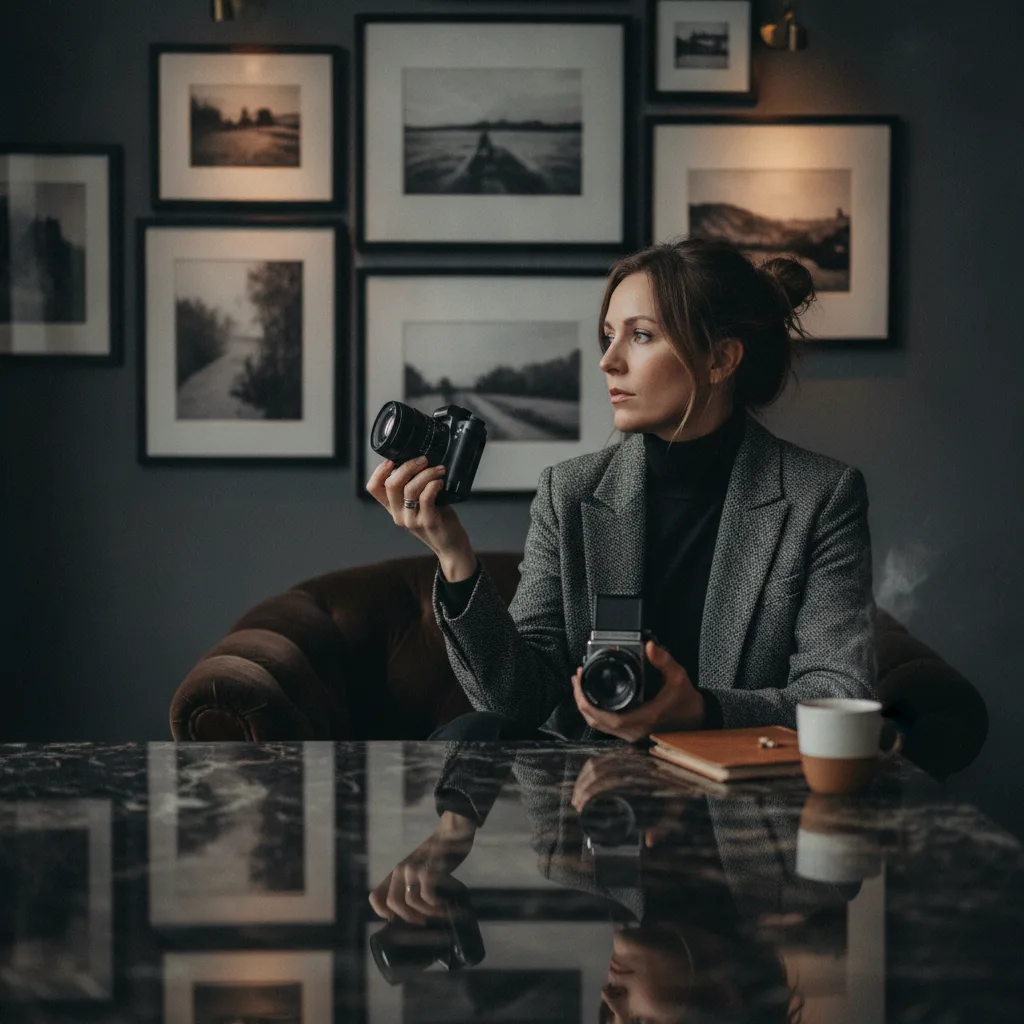
For Californian couples planning a destination wedding in a historic French château or along the Amalfi coast, the film look wedding photography aesthetic often aligns perfectly with the overall vision: elevated, editorial, emotionally resonant. It is not about nostalgia for its own sake. It is about choosing a medium that slows the process down, demands more from the photographer, and produces images that feel genuinely timeless.
The most important question is not which format is technically superior. It is which approach best serves the story of your wedding day. At Lino Ludovic, every coverage decision begins with that question, and the answer is always built around you.
Choosing the right approach for your wedding day
Film vs digital wedding photography is not a debate with a single winner. It is a conversation about values, aesthetics, and what you want your wedding images to say in twenty years. Digital delivers reliability, flexibility, and the full breadth of coverage that a complex destination wedding requires. Film delivers intention, texture, and a visual quality that transcends trends. Together, they form the foundation of the most considered and complete wedding photography available today.
If you are planning a multi-day celebration in France or Italy and want to understand which approach is right for your vision, we would be glad to walk you through our process at Lino Ludovic.
Frequently asked questions
Can a photographer shoot both film and digital at the same wedding?
Yes, and this hybrid approach is widely considered the most complete solution for luxury destination weddings. The photographer uses digital for full-day coverage and reserves film for specific editorial moments, portraits, or sessions where the analog aesthetic adds the most value.
How long does it take to receive film wedding photos compared to digital?
Digital galleries are typically delivered within four to eight weeks of the wedding day. Film adds time because rolls must be shipped to a specialist lab, developed, and scanned before editing can begin. Couples should expect a longer overall timeline when analog is part of the workflow, often several additional weeks.
What film stocks are most commonly used for wedding photography?
Kodak Portra 400 is the most widely used film stock in wedding photography, valued for its warm skin tones and generous photographic latitude. Fujifilm 400H Pro, now discontinued but still available in limited quantities, is also prized for its cooler, more pastel rendering. The choice of film stock has a significant influence on the final look and feel of the images.
Does shooting on film mean fewer photos are delivered?
Yes, typically. Because each roll has a limited number of frames and the process demands more intentional framing, a film-based or hybrid gallery will generally contain fewer images than a purely digital one. However, the quality and editorial consistency of each selected image tends to be significantly higher.
Is 35mm or medium format film better for weddings?
Both formats have their place. 35mm film is more portable and versatile, making it well suited to documentary moments and fast-moving coverage. Medium format film produces a larger negative with a richer tonal range and finer grain structure, which makes it ideal for formal portraits and editorial sessions in grand settings.
Do US wedding planners typically request film or digital coverage for European destination weddings?
Most top-tier US wedding planners request a hybrid approach. They need the reliability and speed of digital for full-day coverage and press submissions, but they also value the elevated aesthetic that analog brings to portrait sessions and editorial moments. A photographer fluent in both formats is the most valuable partner for a complex, multi-day European celebration.