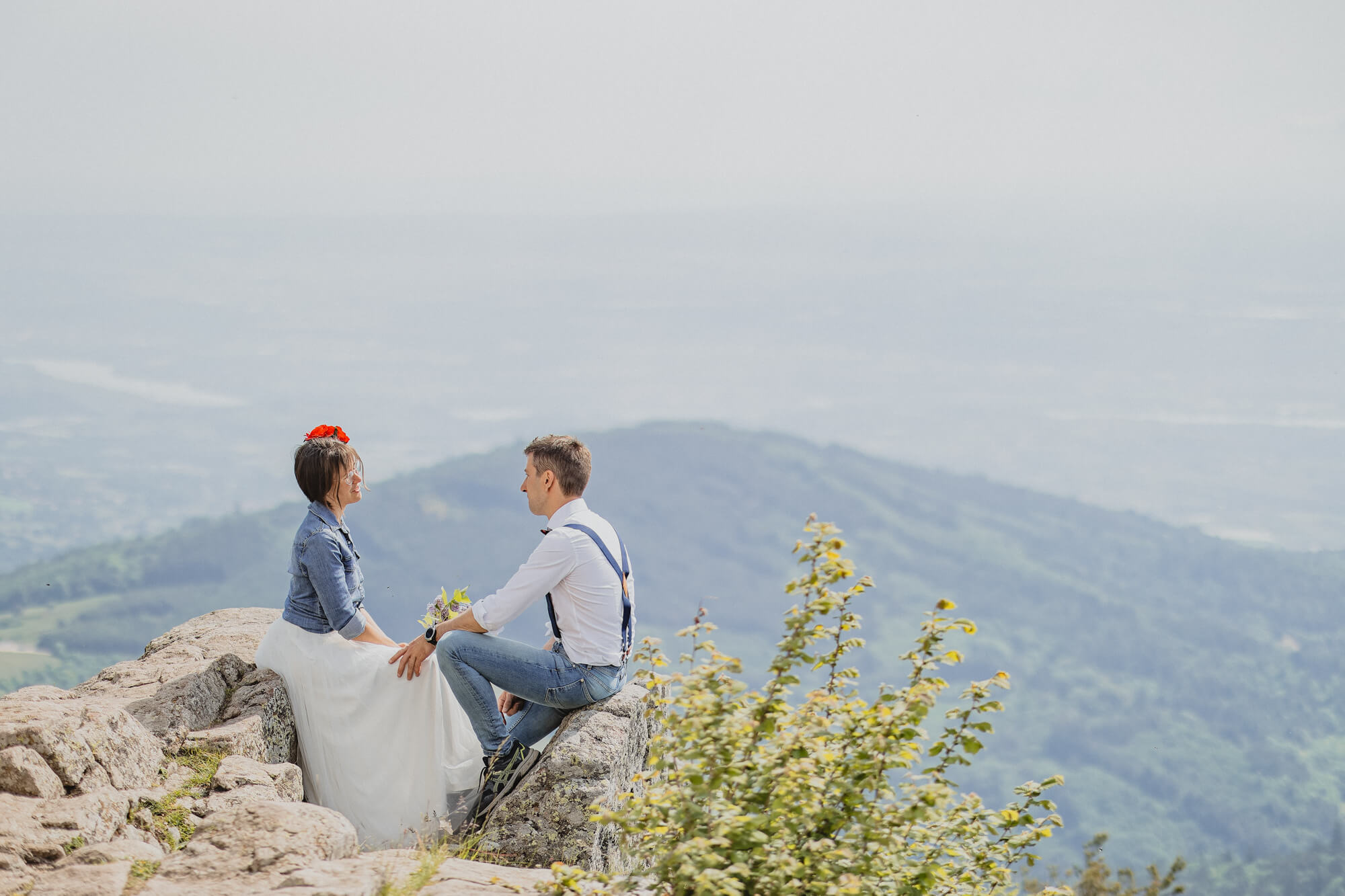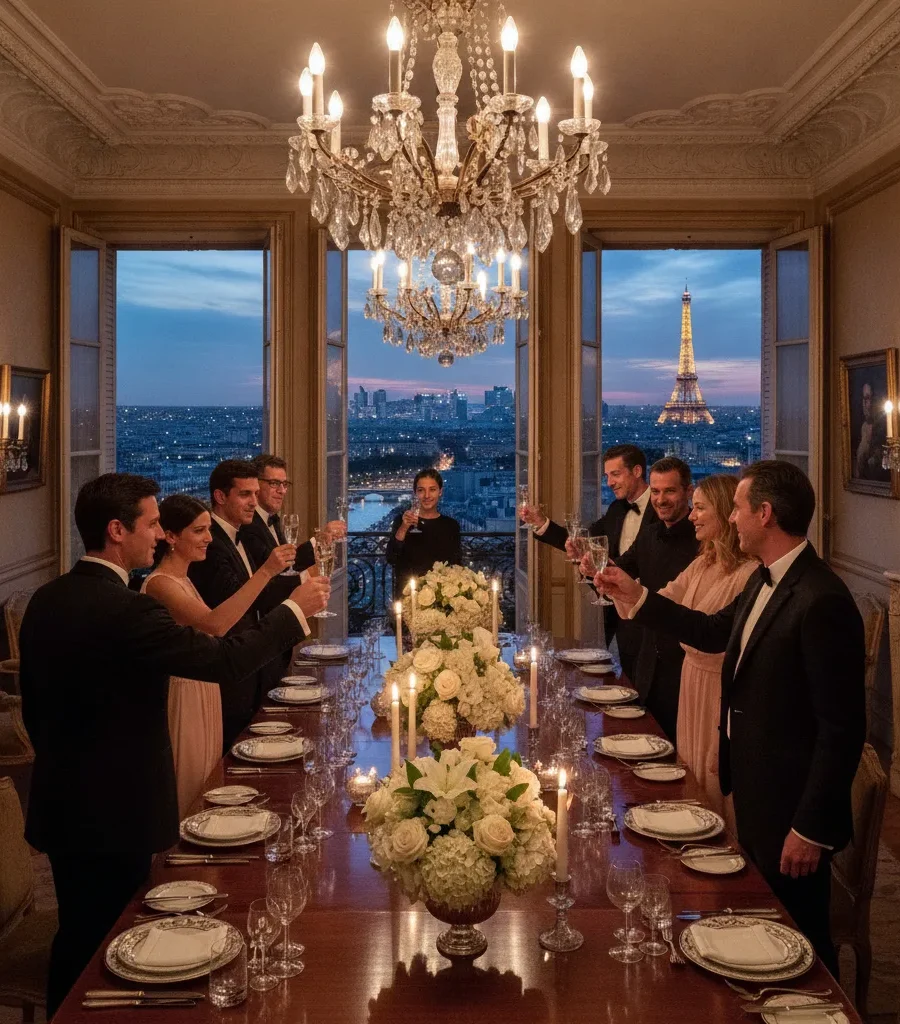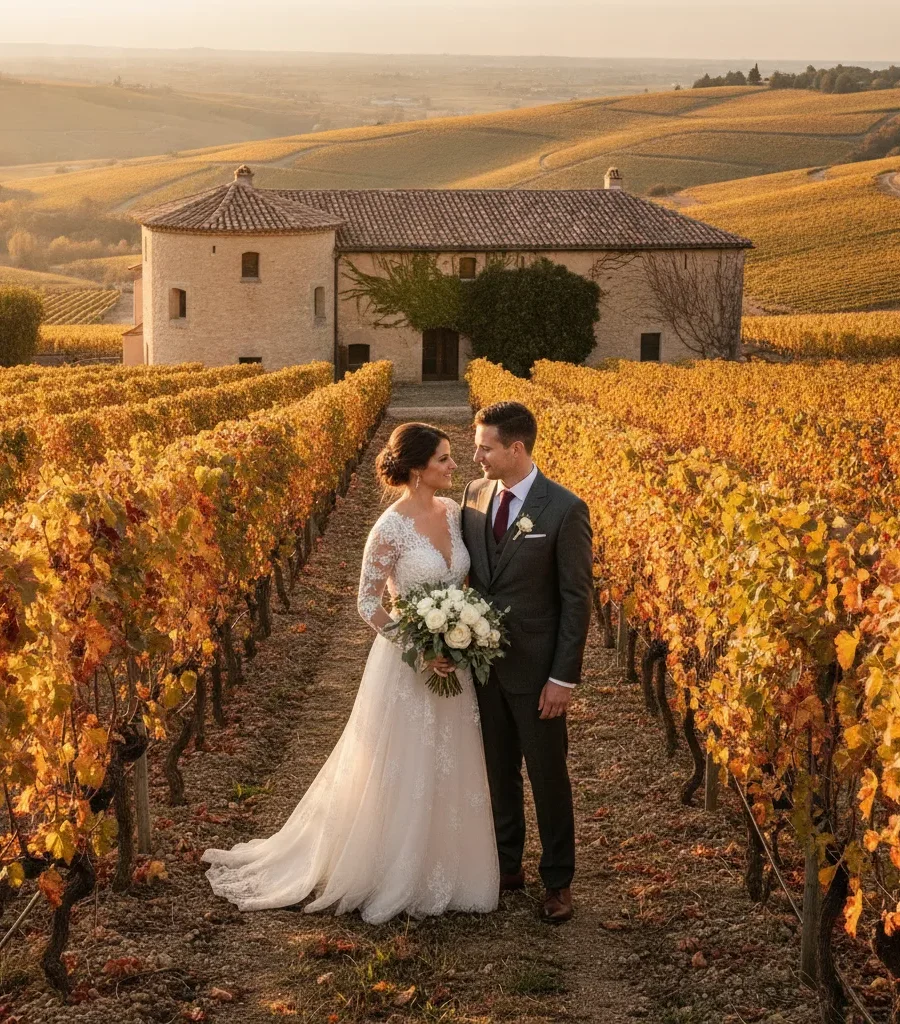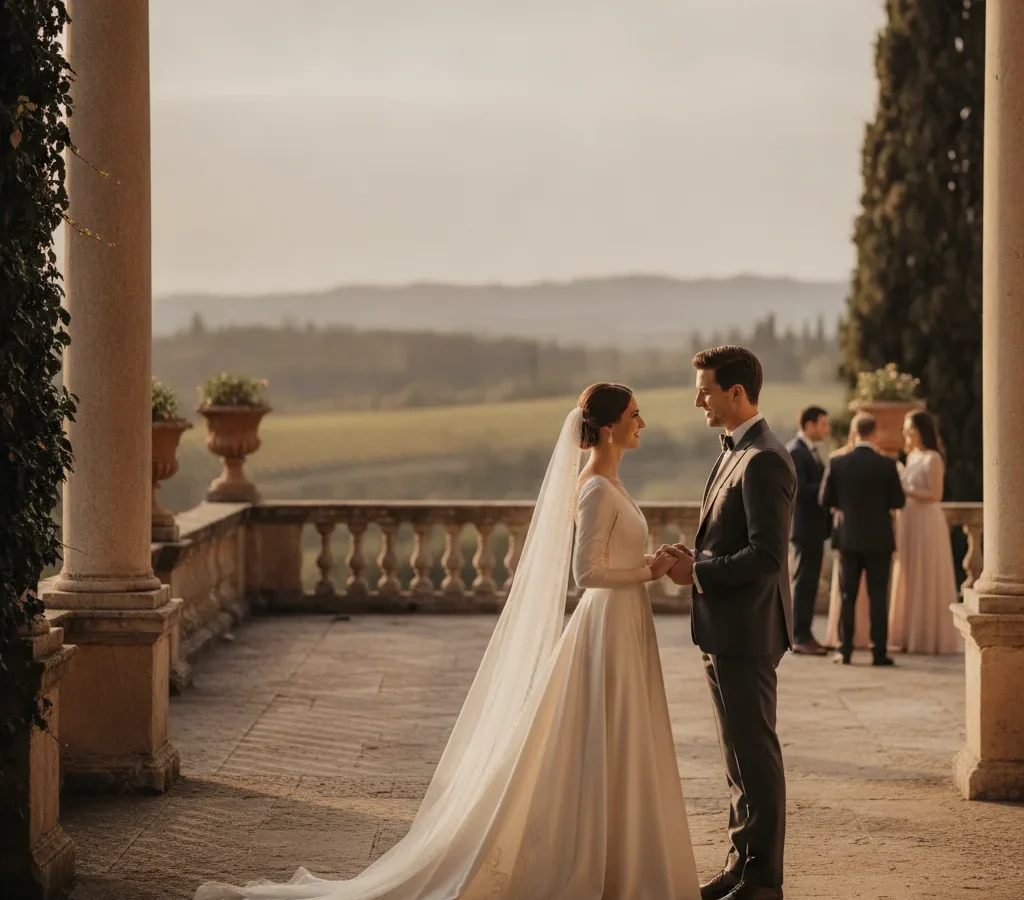
Every wedding gallery is a time capsule, and not all of them age at the same speed. Some images still feel effortless twenty years later, while others instantly announce the year they were taken through a heavy filter or a fashionable crop. The debate around timeless vs trendy wedding photography is not about taste being right or wrong, it is about visual longevity and what you want your grandchildren to see.
For couples investing in a château in Provence, a villa on Lake Como or a private estate on the Riviera, that distinction matters enormously. Here is how we think about it, and how you can evaluate it before you book.
Timeless vs Trendy Wedding Photography – 2026 Guide
Reading time: ~11 min
- What timeless wedding photography actually means
- What trendy wedding photography looks like right now
- Timeless vs trendy wedding photography, the key differences
- Which choices tend to date the fastest
- Editing is where photographs age, or do not
- Can wedding photography be timeless and modern at the same time
- How to choose a wedding photography style for your celebration
- How to evaluate a photographer’s consistency across a full gallery
- Film or digital for a more enduring look
- Building an enduring wedding photography gallery
- Frequently asked questions
What timeless wedding photography actually means
Timeless wedding photography is an approach built to remain elegant and legible decades after the celebration. It relies on balanced composition, flattering natural light, restrained postproduction and emotion that reads clearly on the face of the person in frame. Colors stay close to reality, with soft warm tones rather than aggressive color grading. Skin tone rendering is accurate across every guest and every complexion. The viewer looks at the people first and the technique second.
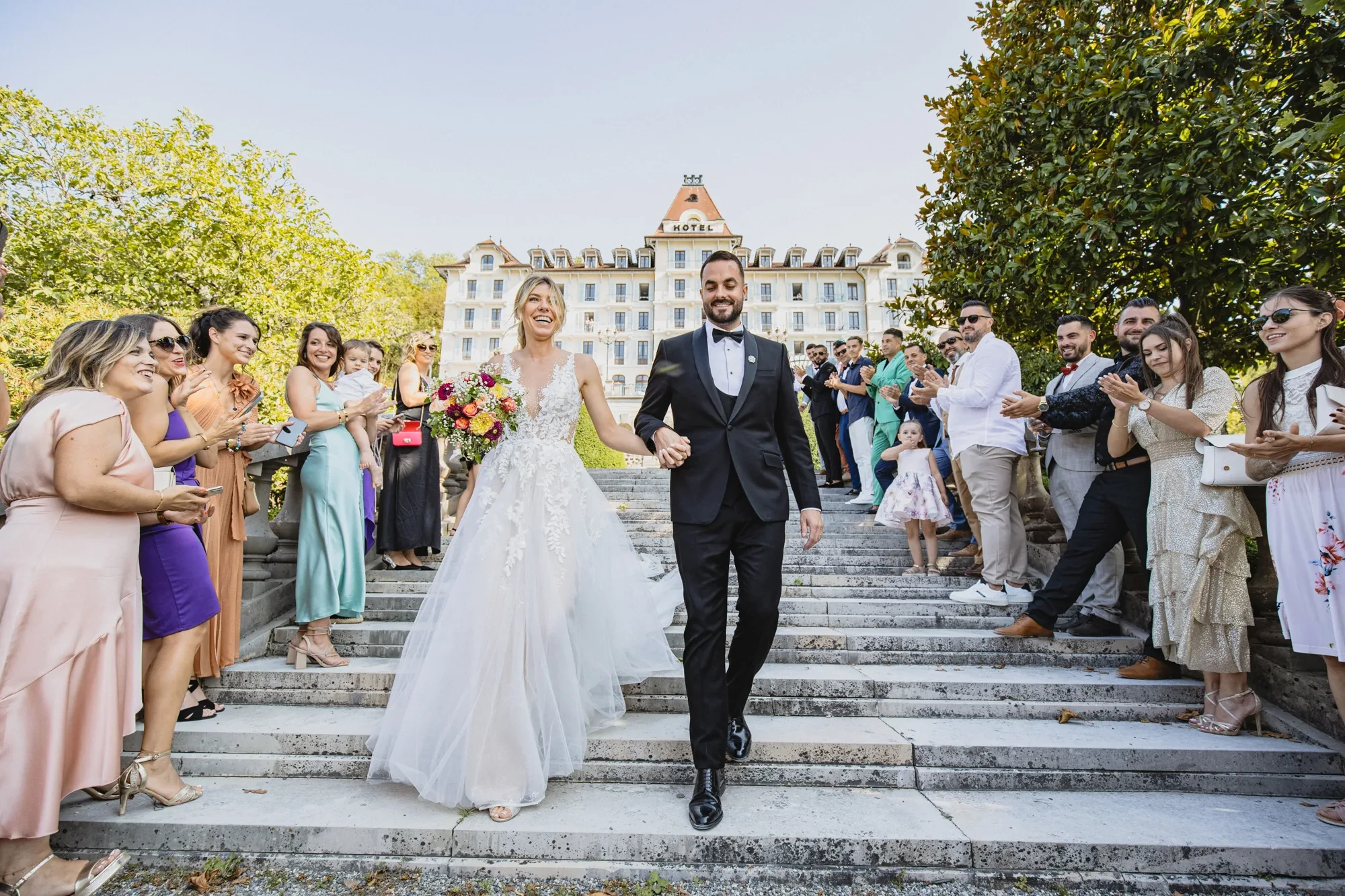
Vogue Weddings describes traditional coverage as the classic, enduring option, and film photography as a romantic aesthetic that has held up remarkably well over generations.
Importantly, timeless does not mean stiff or old fashioned. Documentary wedding photography, with its photojournalistic style and moment-driven instinct, can be profoundly timeless because candid photography is never tied to a passing edit. Fine art wedding photography can be equally durable when its softness comes from light and composition rather than from a preset. What makes an image last is restraint in the treatment, not the absence of artistry. Classic wedding photography style, documentary coverage and fine art interpretation all share the same quality, they let the moment carry the frame.
What trendy wedding photography looks like right now
Trendy wedding photography borrows from whatever visual language is dominant at a given moment, and in 2026 that language is shaped heavily by Instagram, Pinterest and TikTok. Direct flash party photography, saturated night colors, extreme wide angle portraits, deliberate motion blur, very high contrast treatment, vertical framing designed for stories, disposable camera aesthetics and drone photography all belong to this family. Editorial wedding photography also sits here when it leans fully into fashion codes, with strong editorial direction and heavily styled couple portraits.
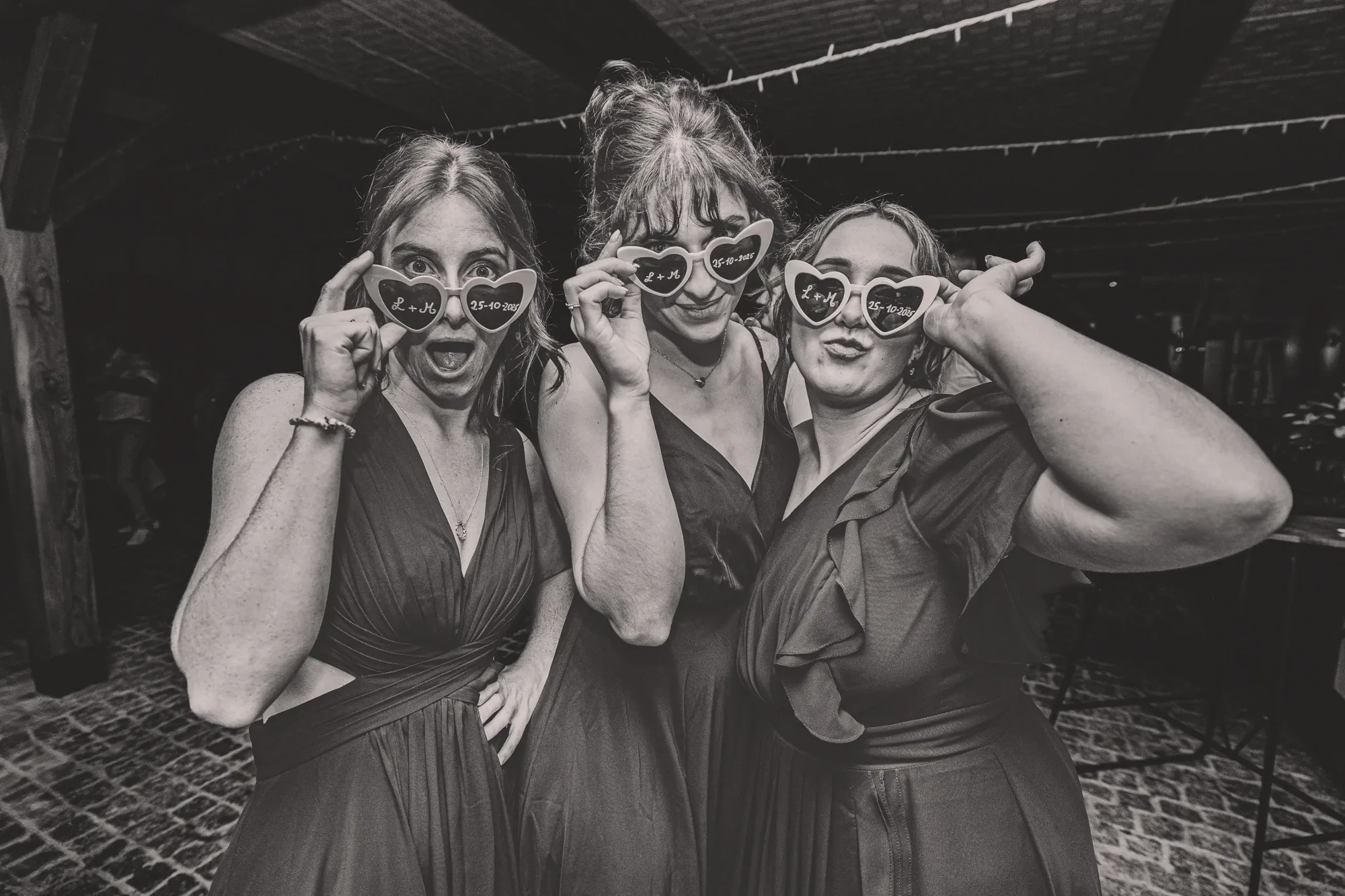
Market analyses of the wedding photography sector consistently list candid coverage, drone work, cinematic narrative formats and artificial intelligence assisted editing among the dominant contemporary trends.
None of this is inherently bad. A trendy image can be exhilarating, and a modern wedding photography approach often suits an urban reception, a design hotel or a couple who works in fashion or tech. The risk is concentration. When an entire full wedding gallery is built on one technique that is currently fashionable, that gallery becomes dated the moment the technique loses its novelty. A single striking dance floor flash frame ages beautifully as an accent. Six hundred of them age as a period piece.
Timeless vs trendy wedding photography, the key differences
The clearest way to compare the two approaches is criterion by criterion, because the difference is rarely about the camera and almost always about intention, direction and postproduction workflow.
| Criterion | Timeless approach | Trendy approach |
|---|---|---|
| Composition | Balanced, readable, classical composition balance | Experimental crops, extreme angles, asymmetry |
| Color | Natural or gently warm tones, accurate skin tones | Marked color grading, fashionable tints and contrast treatment |
| Editing | Discreet, consistent, close to what the eye saw | Visible preset signature or strong film emulation |
| Direction | Light guidance, posed portraits kept natural | Heavy editorial direction and styled sequences |
| Light | Natural light first, flash used with purpose | Flash photography as a stylistic identity |
| Visual longevity | High probability of remaining relevant | Exposed to visual datedness once the trend fades |
| Best use | Album design, large prints, family archives | Social sharing, PR features, immediate impact |
The honest conclusion is that neither column is superior. What matters is the proportion. A gallery weighted toward durability, punctuated with a few contemporary frames, gives you both the heirloom and the images your friends will repost the same week.
Which choices tend to date the fastest
When couples ask us what wedding photography trends will date quickly, we rarely point at a shooting technique. We point at editing signatures. Heavy matte blacks, orange and teal grading, crushed highlights, extreme desaturation and aggressive film emulation profiles applied uniformly in Adobe Lightroom are the elements that most clearly stamp a year onto a photograph. Fashion in editing moves faster than fashion in dresses. The second category is pose vocabulary, meaning the very specific gestures that circulate on Pinterest for two seasons before everyone recognises them instantly.
Good to know
A technique is not the problem, repetition is. One creative drone frame of your ceremony in a Tuscan garden enriches the story, while fifty of them replace the story with an effect.
Editing is where photographs age, or do not
The most underestimated factor in how long wedding photos hold up is the postproduction workflow. A documentary coverage treated with a fashionable preset will date. An editorial coverage treated with a neutral, consistent hand can remain beautiful for decades. This is why we separate the shooting style from the editing style when we talk with couples and planners, and why we look for tonal consistency across an entire day rather than a perfect single frame.
Separating shooting style from editing style
Our own standard is simple. Colors should still look correct on a print in thirty years, skin should look like skin under a chandelier as much as under the golden hour sun of the Côte d’Azur, and black and white conversions should rely on light and contrast rather than on a filter. Archival image quality matters just as much, which is why our handcrafted fine art albums are made in France with materials selected for longevity. The album is the object that survives every platform change, and album design is an editorial exercise in itself, choosing the sequence that tells the weekend rather than the images that perform online.
Can wedding photography be timeless and modern at the same time
A hybrid wedding photography style
Yes, and the hybrid wedding photography style is now the most common answer among couples who refuse to choose. The structure is straightforward. The ceremony and the reception are covered in a discreet, photojournalistic way. Family groupings are handled as clean, classic posed portraits. The couple portrait session is gently directed, often at golden hour, with enough editorial intent to feel elevated and enough freedom to feel real. The evening allows for flash, movement and a more experimental register, because a dance floor is meant to feel electric. Specialist guides describe exactly this combination, documentary coverage of the day paired with a short directed portrait session in the best light.
For multi-day destination celebrations, this balance becomes a logistical discipline as much as an aesthetic one. A welcome party, a rehearsal dinner, a wedding day and a farewell brunch have to look like one coherent body of work, not four different photographers. Tonal consistency across four days, four light situations and four dress codes is the real technical challenge, and it is one of the reasons US planners work with a European based partner who knows these venues and their light. You can see how that consistency plays out across full stories in our portfolio and across our approach.
How to choose a wedding photography style for your celebration
Start with the feeling you want to revisit, not the reference image you saved last week. If you want elegance and legibility, a classic or fine art direction suits you. If you want authenticity above all, documentary coverage is the answer. If you want boldness and fashion codes, an editorial direction fits. The Knot and other reference guides also recommend matching the aesthetic to the venue, and that advice is particularly relevant in Europe. A seventeenth century château, a Renaissance villa or a Riviera estate already carries its own architectural drama, and an overly stylised treatment often competes with it instead of serving it.
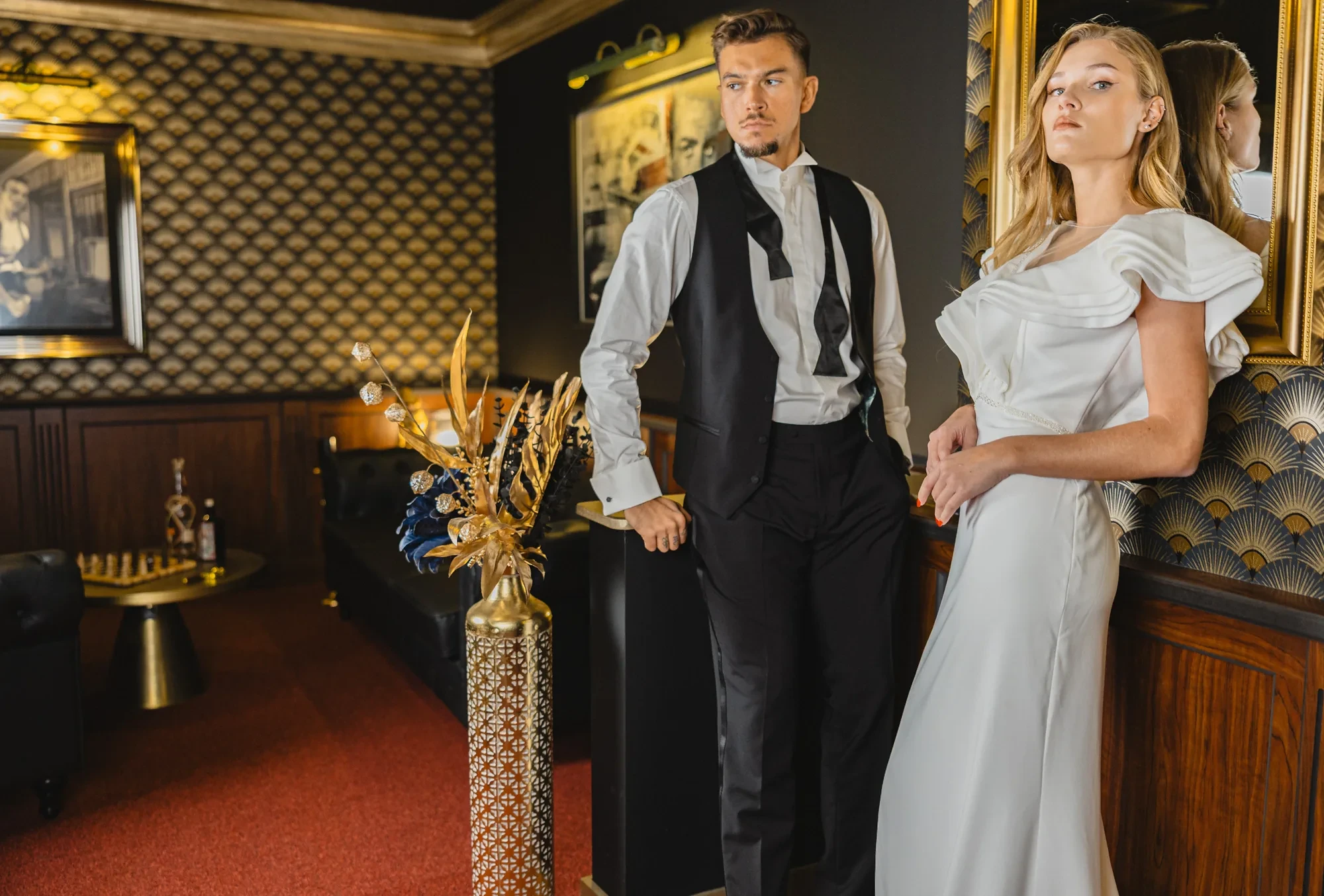
Then look at the practical side of direction. Ask how much time the photographer recommends for couple portraits, whether guidance is limited to posture corrections, and how spontaneous moments are handled when the timeline slips. Documentary work requires little direction, while editorial and traditional portraits require more, which has a direct impact on your schedule for the day.
How to evaluate a photographer’s consistency across a full gallery
Social media is a highlight reel, so consistency can only be judged on complete work. Before booking, here is what we suggest requesting from any photographer you are considering.
- At least two full wedding galleries, ideally including a venue or weather situation comparable to yours
- Indoor ceremony images, family group photographs and late evening reception frames in the same gallery
- Evidence of accurate skin tone rendering across different complexions and different light sources
- A clear explanation of the editing approach, including presets, film emulation and any artificial intelligence tools used
- Examples of album design and printed work, since screens and paper do not behave the same way
A photographer whose Instagram feed looks strongly stylised but whose delivered galleries look natural is not being dishonest, they are curating. The point is simply to know which of the two you are actually buying.
Worth remembering
Professional bodies such as the International Society of Professional Wedding Photographers publish juried collections that are useful for understanding technical standards, though they should complement, not replace, the review of a complete gallery.
Film or digital for a more enduring look
Film carries an analog aesthetic with genuine longevity, and Vogue Weddings associates it with a romantic, lasting quality. But film is not a shortcut to timelessness. What makes film feel durable is its restraint, its soft highlight roll off and its natural color response, and those qualities can be honoured in digital work when the postproduction is disciplined. Many photographers working at the top of the destination market shoot digital for reliability across a long weekend and reserve film for portraits. The decisive factor is not the medium, it is whether the treatment is consistent, neutral and faithful to the atmosphere of the place.
Building an enduring wedding photography gallery
Trends will keep arriving and leaving, and some of them are genuinely worth using. The goal is not to refuse modernity, it is to make sure that the structure of your gallery rests on light, composition and emotion rather than on a filter that belongs to a single season. That is the promise we make to couples and to the planners we work alongside, an elevated, culturally attuned coverage of your entire celebration that will still look like you in twenty years. If you are planning a multi-day wedding in France or Italy, you can tell us about it.
FAQ
Does a timeless approach mean fewer creative images on the day?
No. It means creativity is expressed through light, framing and timing rather than through a heavy treatment applied afterwards. A backlit portrait in the vineyards of Napa or the gardens of a Loire château is creative without being tied to a trend.
How do we keep visual coherence across a multi-day celebration?
We plan the light before we plan the shots, scouting each location and each time slot in advance, then apply a single editing standard to the welcome party, the rehearsal dinner, the wedding day and the farewell brunch so the full body of work reads as one story.
Will black and white images date less than color ones?
Generally yes, because black and white removes the color grading that most often reveals a period. That said, extreme contrast treatment can itself become a signature of a given era, so restraint still applies.
Can trendy images be included in a fine art album?
Absolutely, as accents. Album design works by rhythm, so a handful of bolder frames can punctuate a sequence built primarily on natural, moment-driven images.
What should planners ask about before adding a photographer to a vendor team?
Beyond style, ask about timeline discipline, attire for black tie events, coordination across time zones, coverage of design details such as tablescapes and floral installations, and the way selected images are prepared for editorial submissions.