Your wedding photographs will outlast the flowers, the cake, and even the venue itself. They are the only tangible record of how that day truly felt. Yet many couples invest months choosing their dress, their florist, and their caterer, while underestimating one of the most decisive factors in the quality of their images: the importance of trust with your photographer.
This article explores why that trust is not a soft, optional extra, but the very foundation of authentic, emotionally resonant wedding photography.
The Importance of Trust With Your Photographer
Reading time: ~9 min
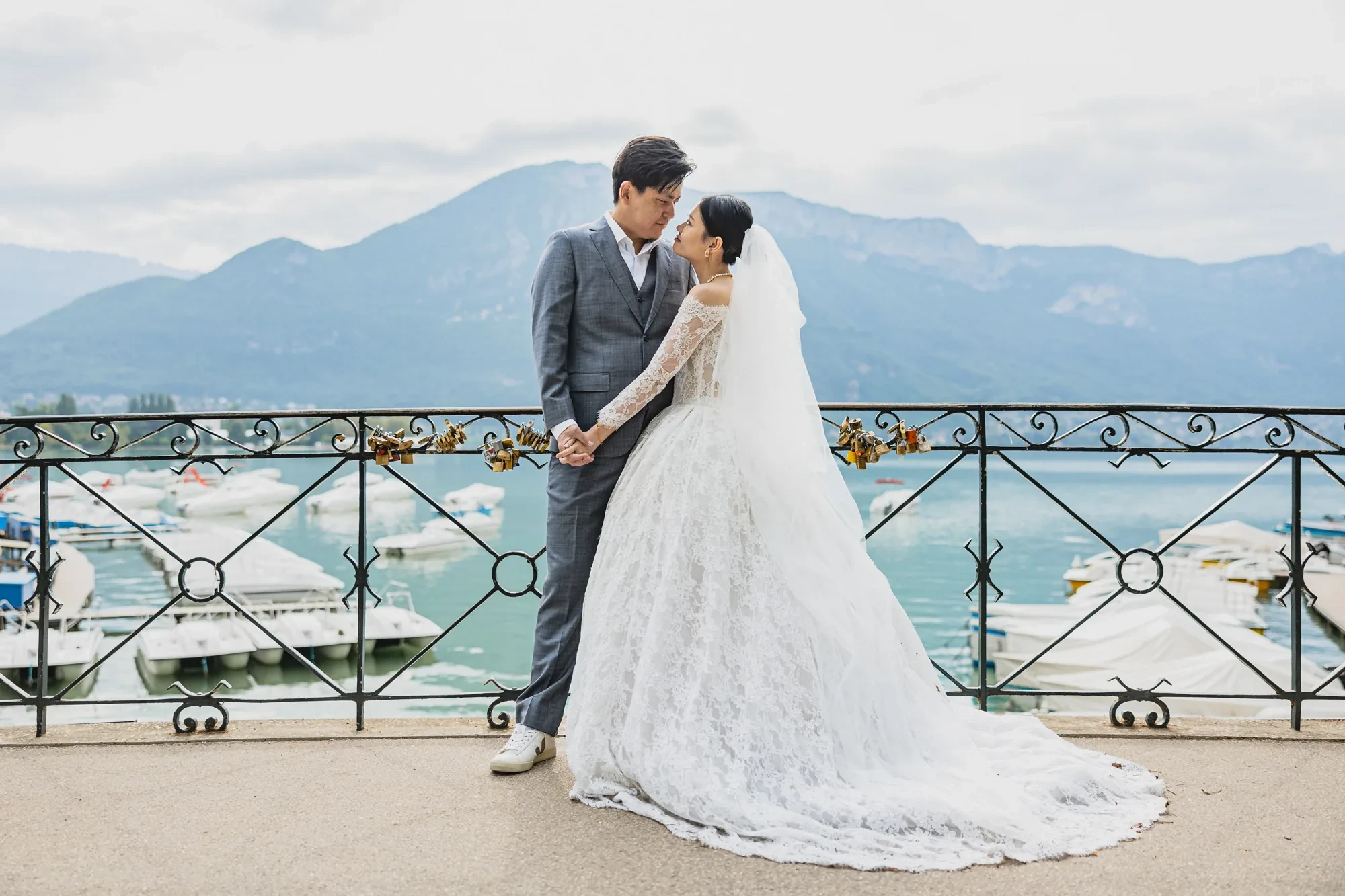
- Why trust matters in wedding photography more than most couples realize
- What happens when you do not feel comfortable with your photographer
- How to build trust with your photographer before the wedding day
- How trust improves wedding photos at every level
- Communicating your vision and concerns openly
- Making trust the foundation of your wedding photography
- Frequently asked questions
In brief
- Trust directly affects your body language and natural expressions in front of the camera, making it the single most powerful variable in image quality.
- A strong photographer-client relationship built before the wedding day allows for clearer communication, better creative direction, and fewer surprises.
- Lack of comfort with your photographer can lead to stiff, posed-looking images that fail to capture the genuine emotion of the day.
- There are concrete, practical steps you can take before booking to assess whether a photographer is someone you can genuinely trust.
- Communicating your vision openly and early transforms the collaboration from a transaction into a creative partnership.
Why trust matters in wedding photography more than most couples realize
The emotional impact of trusting your photographer
On your wedding day, you will be photographed for eight to twelve hours, sometimes more across a multi-day celebration. You will be photographed while crying, laughing, dancing, whispering, and simply existing in the presence of the people you love most. That is an enormous amount of vulnerability. If you do not feel genuinely at ease with the person behind the camera, your body will know it, and so will the images.
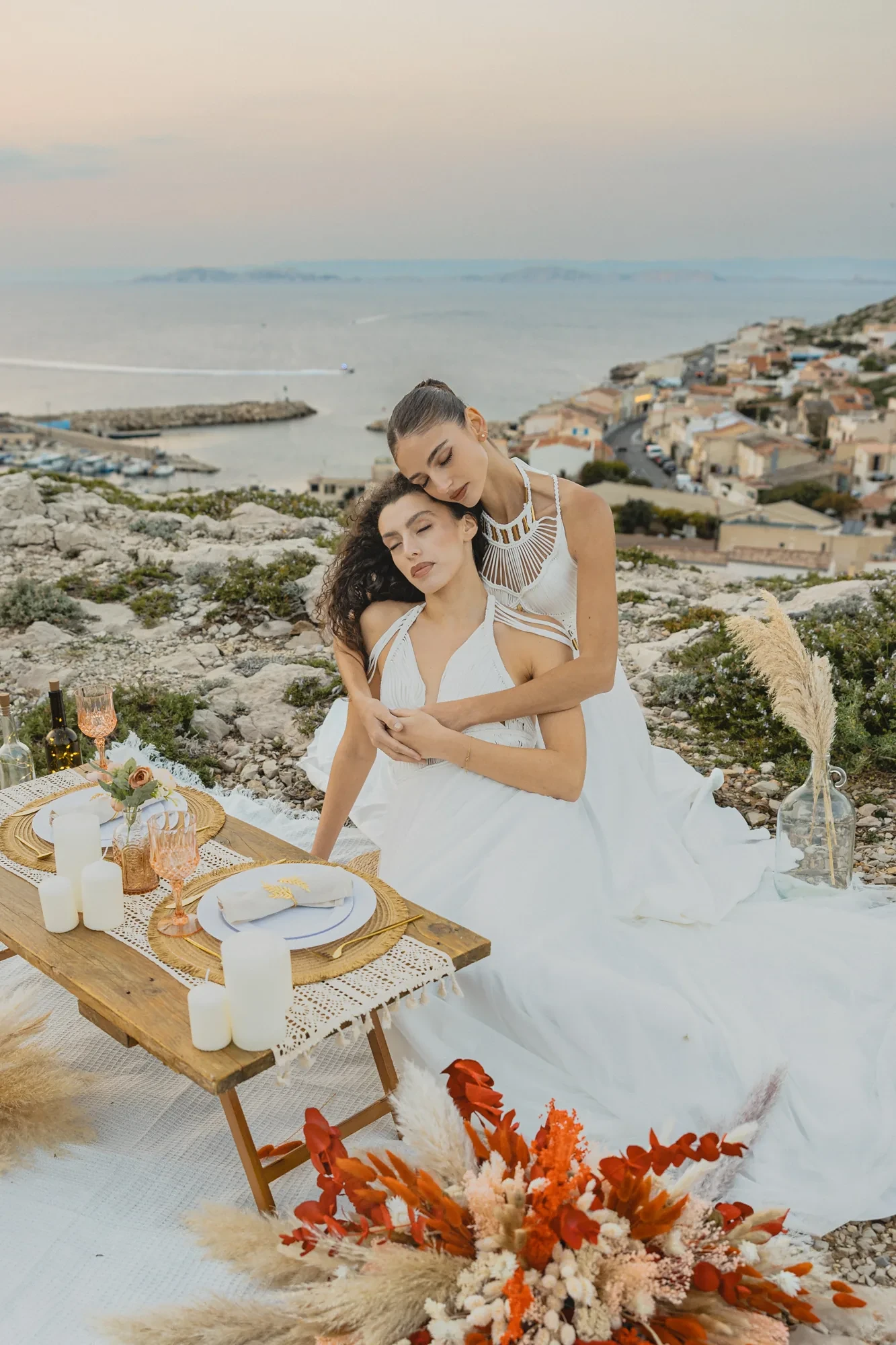
Research and industry experience consistently show that subjects who trust their photographer display more relaxed body language, more natural expressions, and a greater willingness to follow creative guidance. Rangefinder Online, a respected publication in the professional photography industry, has noted that the emotional connection between a photographer and their subject is one of the most reliable predictors of image quality. This is not about technical skill alone. A photographer can have a flawless command of light and composition, but if you are holding your breath every time the shutter clicks, the resulting images will reflect that tension.
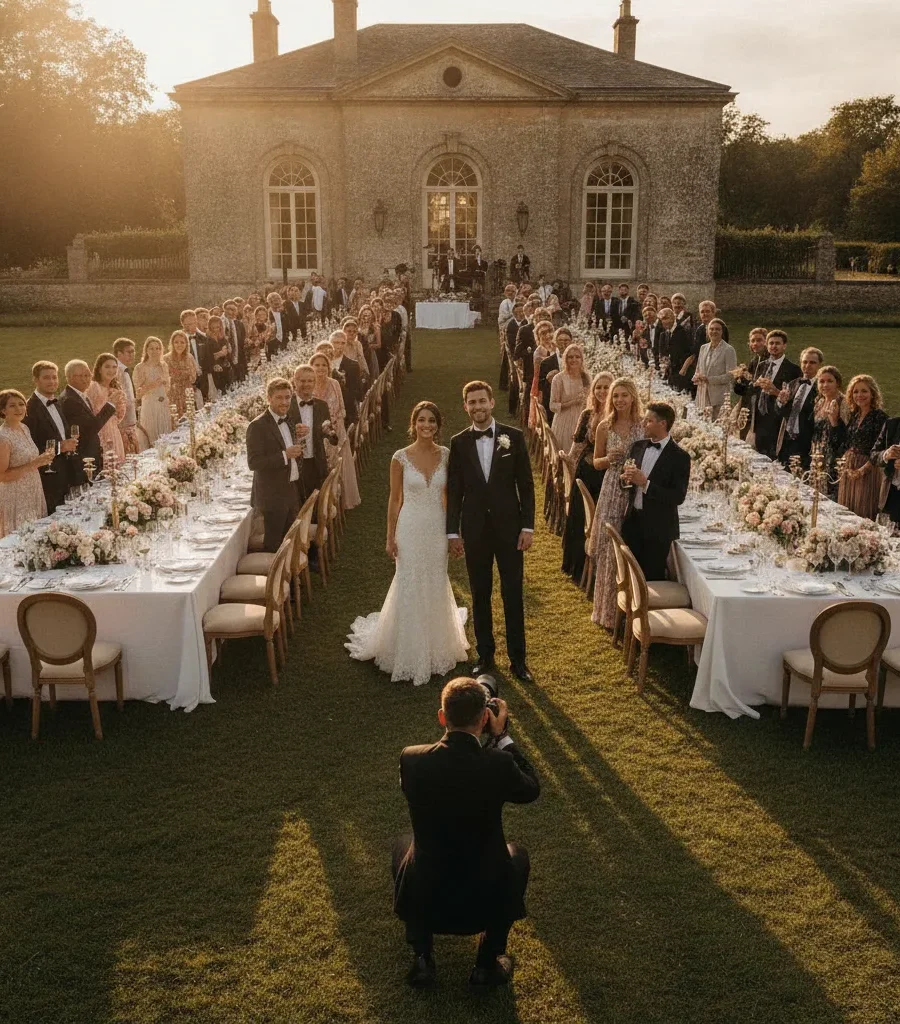
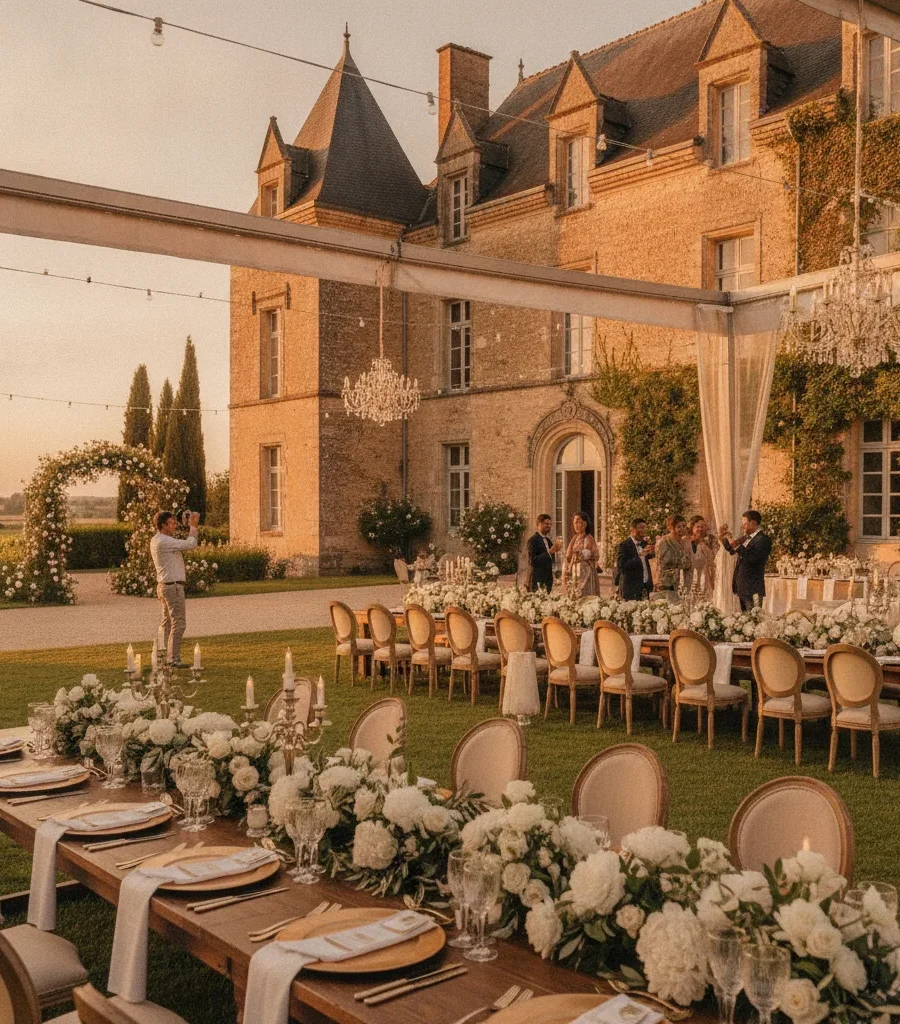
For destination weddings, this dynamic is amplified. When you are celebrating in a French chateau or on the Italian coast, surrounded by family and friends who have traveled across the world for you, the last thing you need is a photographer whose presence adds stress rather than dissolves it. The importance of trust with your photographer becomes even more critical when the stakes, the budget, and the emotional weight of the occasion are this high.
What happens when you do not feel comfortable with your photographer
The consequences of a weak photographer-client relationship are visible in the final gallery. Couples who feel uncomfortable tend to over-manage their own expressions, producing the stiff, self-conscious poses that are the opposite of what editorial or fine art wedding photography aims to achieve. They second-guess every movement. They become hyper-aware of the camera rather than absorbed in the moment.
Beyond body language, a lack of trust also disrupts communication. Couples who do not feel psychologically safe with their photographer are less likely to voice concerns about the timeline, share references that reflect their aesthetic, or ask for the creative adjustments they genuinely want. The result is a gallery that documents the day but fails to capture its soul.
Celebrity photographer Michael Muller, featured in Inc. Magazine, has spoken about the direct link between client trust and the quality of the final image. His perspective, shaped by years of high-pressure commercial and portrait work, is consistent with what the best wedding photographers observe every season: the technical and the relational are inseparable.
How to build trust with your photographer before the wedding day
Practical steps to build trust in advance
Building trust is not something that happens automatically at the booking stage. It is a process that unfolds across multiple touchpoints, from the first inquiry to the final album delivery. There are several concrete ways to accelerate and deepen that trust before you ever step in front of the camera.
The pre-shoot consultation, whether conducted via video call or in person, is the most important of these touchpoints. This is where you assess not just the photographer’s portfolio, but their communication style, their listening skills, and their ability to understand your vision. A photographer who asks thoughtful questions about your relationship, your family dynamics, and the feeling you want the images to evoke is demonstrating a level of attentiveness that is itself a form of trust-building.
An engagement session or pre-wedding shoot is another powerful tool. It gives you the experience of being in front of the camera with your photographer in a low-stakes environment, allowing both of you to calibrate your working dynamic before the wedding day. Many couples who initially felt camera-shy report that a single session transformed their confidence and their relationship with the photographer entirely.
The following questions are worth asking during your initial conversations to help you assess whether a photographer is someone you can genuinely trust:
- How do you handle moments when the timeline is running behind schedule?
- How do you approach posing guidance for couples who feel uncomfortable in front of a camera?
- Can you walk me through how you communicate with clients between booking and the wedding day?
- How do you handle creative differences if my vision and your instincts diverge?
| Trust-building moment | What to look for | Red flag |
|---|---|---|
| First inquiry response | Personalized reply, genuine curiosity about your wedding | Generic, copy-paste response with no specific detail |
| Initial video call | Active listening, thoughtful questions about your vision | Dominates the conversation, focuses only on packages |
| Contract and documentation | Clear, transparent terms with no ambiguity | Vague deliverables, no written confirmation of key details |
| Pre-wedding communication | Proactive updates, timeline review, availability for questions | Difficult to reach, slow to respond across time zones |
| Engagement or pre-wedding session | You feel relaxed, guided, and genuinely seen | You feel rushed, directed mechanically, or ignored |
How trust improves wedding photos at every level
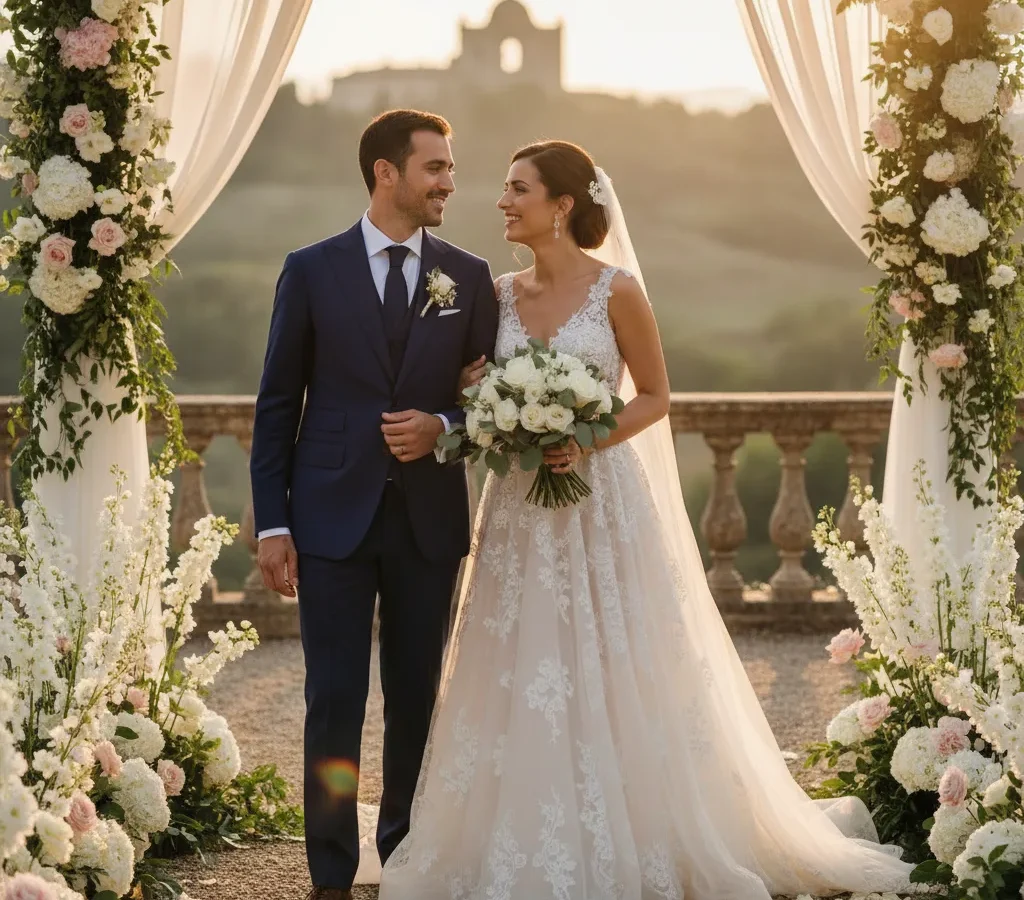
When trust is present, the entire creative collaboration shifts. You stop performing for the camera and start living the day. That distinction is everything in fine art and editorial wedding photography. The images that make couples catch their breath when they open their gallery are almost never the formally posed ones. They are the glance exchanged during the ceremony, the laugh that erupted unexpectedly during portraits, the quiet moment between a parent and child that no one else noticed. These candid moments only happen when the subject has forgotten, at least for a few seconds, that they are being photographed.
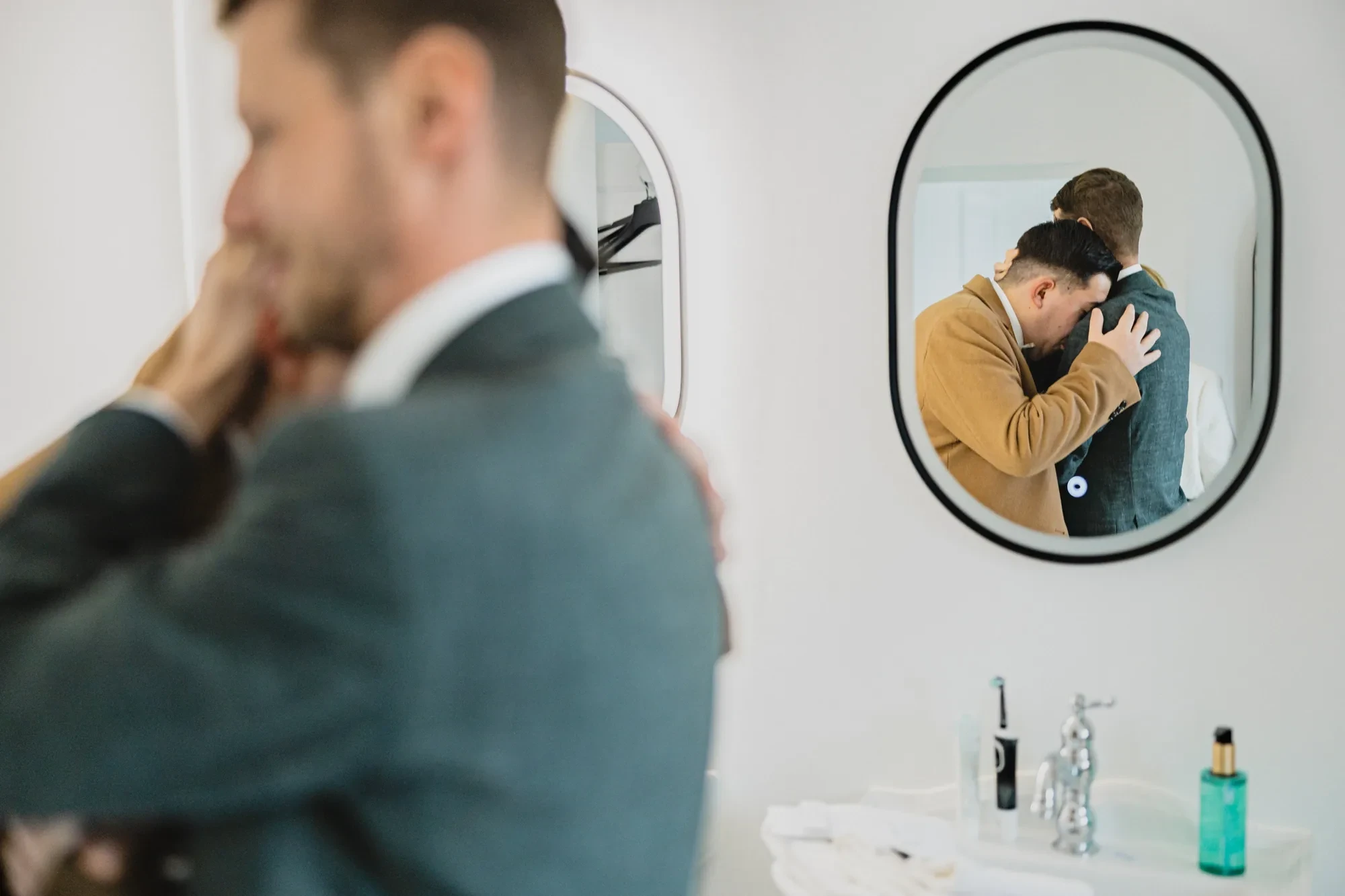
Trust also allows the photographer to exercise genuine creative direction without it feeling intrusive. When you have confidence in your photographer’s vision, you are willing to follow their guidance on positioning, light, and timing. You do not resist the suggestion to move slightly to the left or to wait thirty more seconds for the light to shift. That openness is what allows the photographer to do their best work.
At Lino Ludovic, the entire client experience — from the first Zoom call to the delivery of a handcrafted fine art album — is designed around this principle. Working with high-net-worth couples celebrating across France and Italy, often in the context of multi-day destination weddings with six-figure budgets, the photographer-client dynamic is treated as a genuine creative partnership. The goal is never to direct couples into poses that make them look like models. It is to create the conditions in which they look and feel entirely like themselves, at their most joyful, most present, and most connected.
Worth knowing: The Wedding Photojournalist Association (WPJA) and the Professional Photographers of America (PPA) both emphasize that the quality of the photographer-client relationship is a defining factor in the authenticity and emotional resonance of wedding images. Choosing a photographer is not just a technical decision; it is a relational one.
Communicating your vision and concerns openly
Aligning expectations through open communication
Even with a photographer you deeply trust, communication remains essential throughout the process. Sharing references — whether from editorial publications like Vogue Weddings or platforms like The Knot — helps calibrate visual expectations early. Being honest about your insecurities, whether you dislike your profile, feel awkward in posed situations, or have family dynamics that need sensitive handling, allows the photographer to adapt their approach rather than discover these sensitivities on the day itself.
The most productive photographer-client relationships are built on mutual transparency. You bring your vision, your fears, and your priorities. The photographer brings their expertise, their artistic instincts, and their logistical knowledge of the venue and the light. When both parties are operating with full information and genuine respect for each other’s role, the results speak for themselves.
For US couples planning a destination wedding in Europe, this communication also extends to practical matters: time zone differences, vendor coordination, and the specific cultural and logistical context of a French or Italian celebration. A photographer who is already based in Europe, fluent in English, and experienced in working with American couples and US-based wedding planners removes an enormous layer of friction from this process. That logistical ease is itself a form of trust.
Important: Research from the Gottman Institute on trust and relationship dynamics confirms that vulnerability and transparency between two parties consistently produce stronger, more resilient collaborative outcomes. This principle applies as much to the photographer-client dynamic as it does to personal relationships.
Making trust the foundation of your wedding photography
Your wedding images are a permanent record of one of the most significant days of your life. The technical quality of those images matters. The photographer’s artistic vision matters. But none of it reaches its full potential without the importance of trust with your photographer at the center of the relationship. Trust is what allows you to be fully present. It is what allows the photographer to work with creative freedom. And it is what transforms a gallery of beautiful images into a visual story that genuinely reflects who you are and how that day felt.
If you are planning a destination wedding in France or Italy and are looking for a photographer who treats the client relationship as seriously as the craft, you are welcome to explore the work and approach at linoludovic.fr.
FAQ
How early should I start building trust with my wedding photographer?
The process should begin at your very first interaction, ideally months before the wedding. The more time you invest in communication, pre-wedding sessions, and honest conversations about your expectations, the more natural and relaxed you will feel on the day itself.
Is it normal to feel nervous in front of a camera even with a photographer I trust?
Absolutely. A degree of camera awareness is entirely normal. What trust does is reduce that nervousness to a manageable level and prevent it from dominating your body language. A skilled photographer will also use posing guidance and gentle direction to help you move past the initial self-consciousness quickly.
What if my vision and my photographer’s artistic style do not align perfectly?
This is why reviewing a photographer’s full portfolio — not just their highlights — is so important before booking. If there is a significant stylistic mismatch, it is better to acknowledge it early. A photographer you trust will be honest with you about what they can and cannot deliver, rather than overpromising and underdelivering.
Can I trust a photographer I have never met in person?
Yes, particularly for destination weddings where an in-person meeting before booking is often logistically impossible. Video consultations, detailed written communication, client testimonials, and a thorough review of the photographer’s process and portfolio can all build a strong foundation of trust remotely. Many of the strongest photographer-client relationships in the luxury destination wedding market are built entirely across time zones.
How do I know if a photographer respects my wedding planner’s timeline and design vision?
Ask directly. A photographer who understands the B2B dimension of luxury destination weddings will be able to speak fluently about how they collaborate with planners, how they handle detail shots for editorial submissions, and how they communicate across a vendor team. Their answer will tell you a great deal about their professionalism and their reliability as a creative partner.