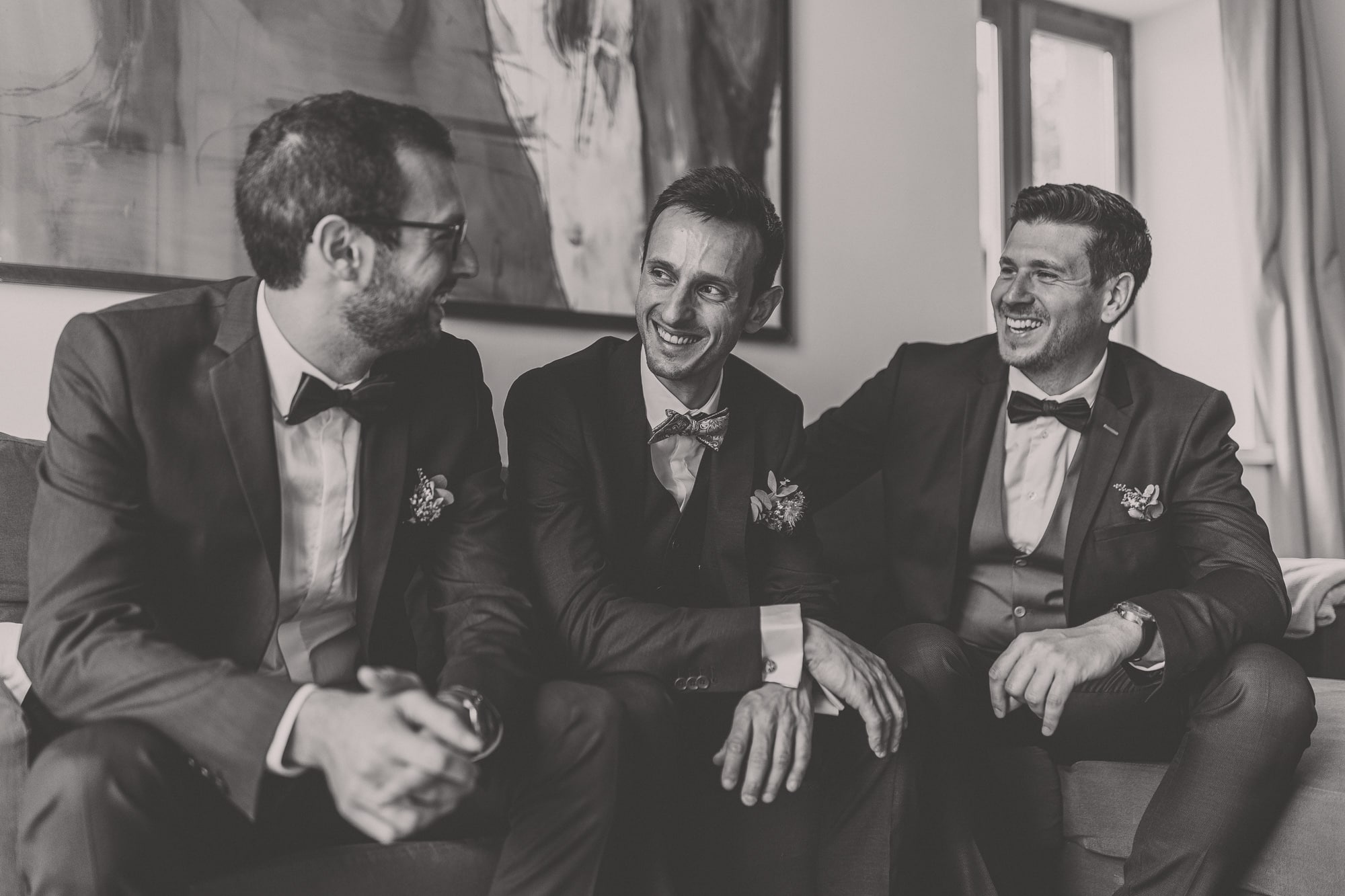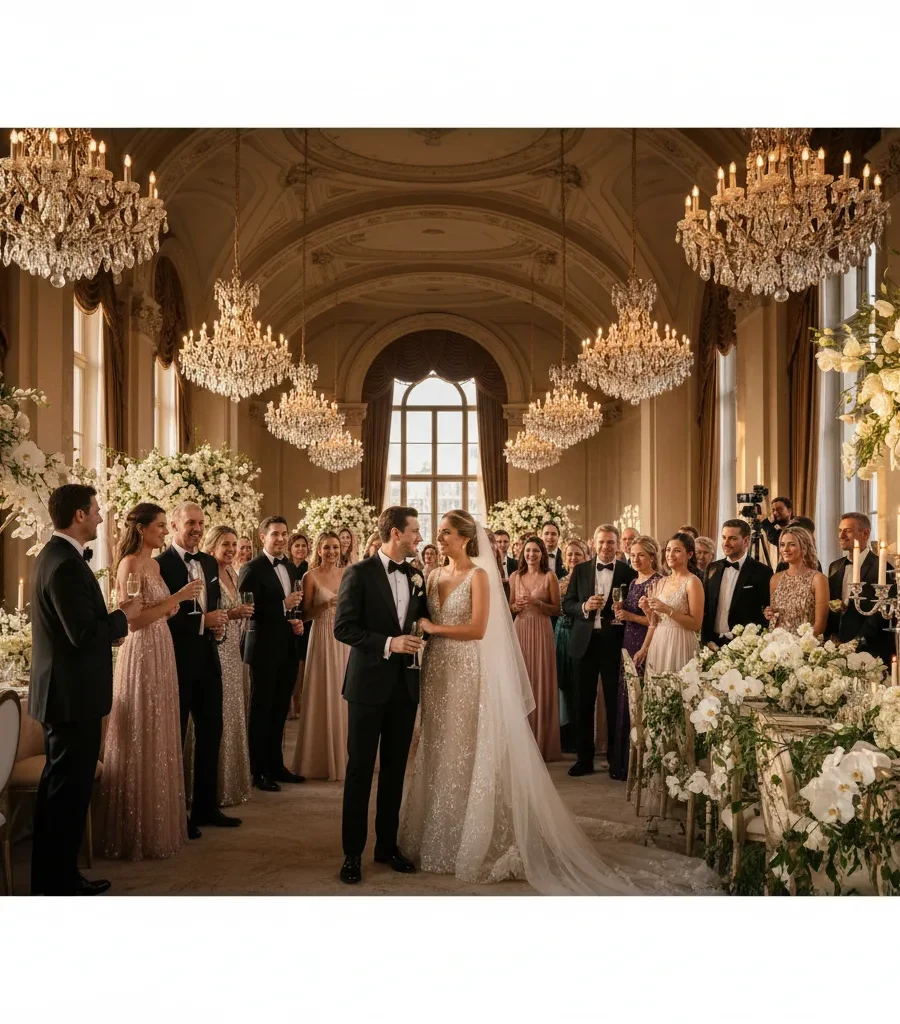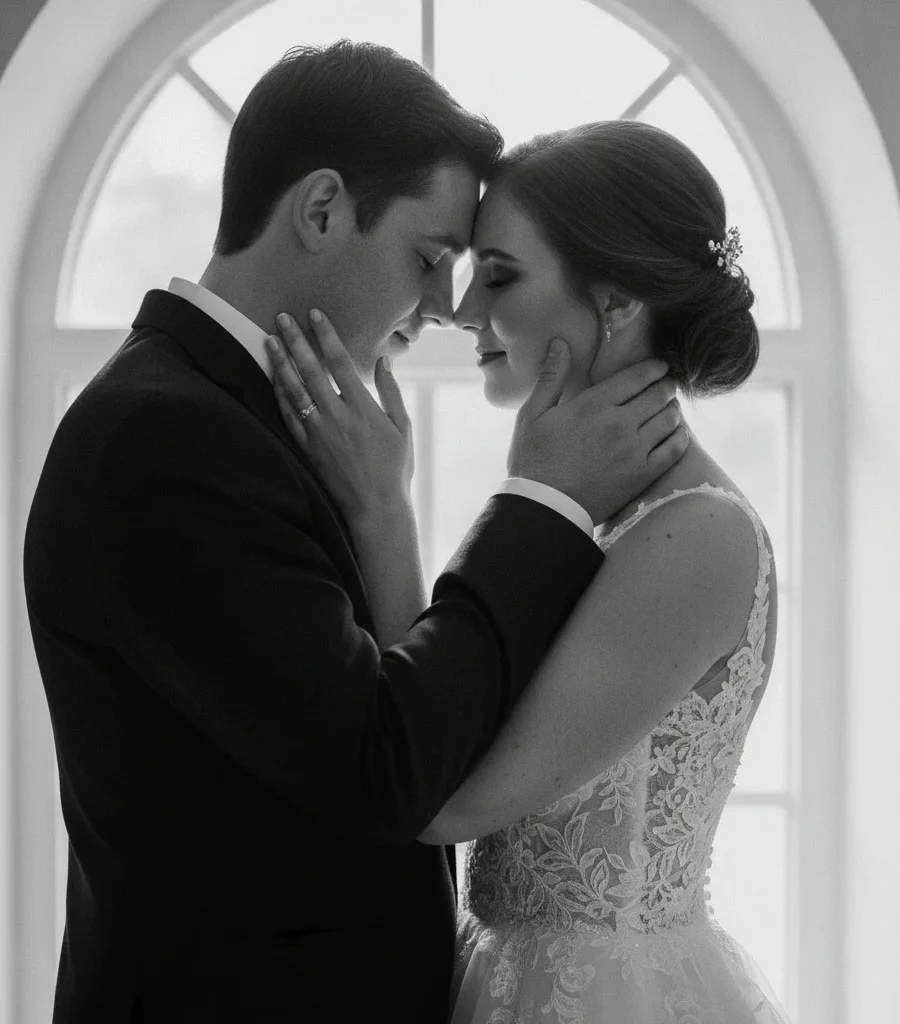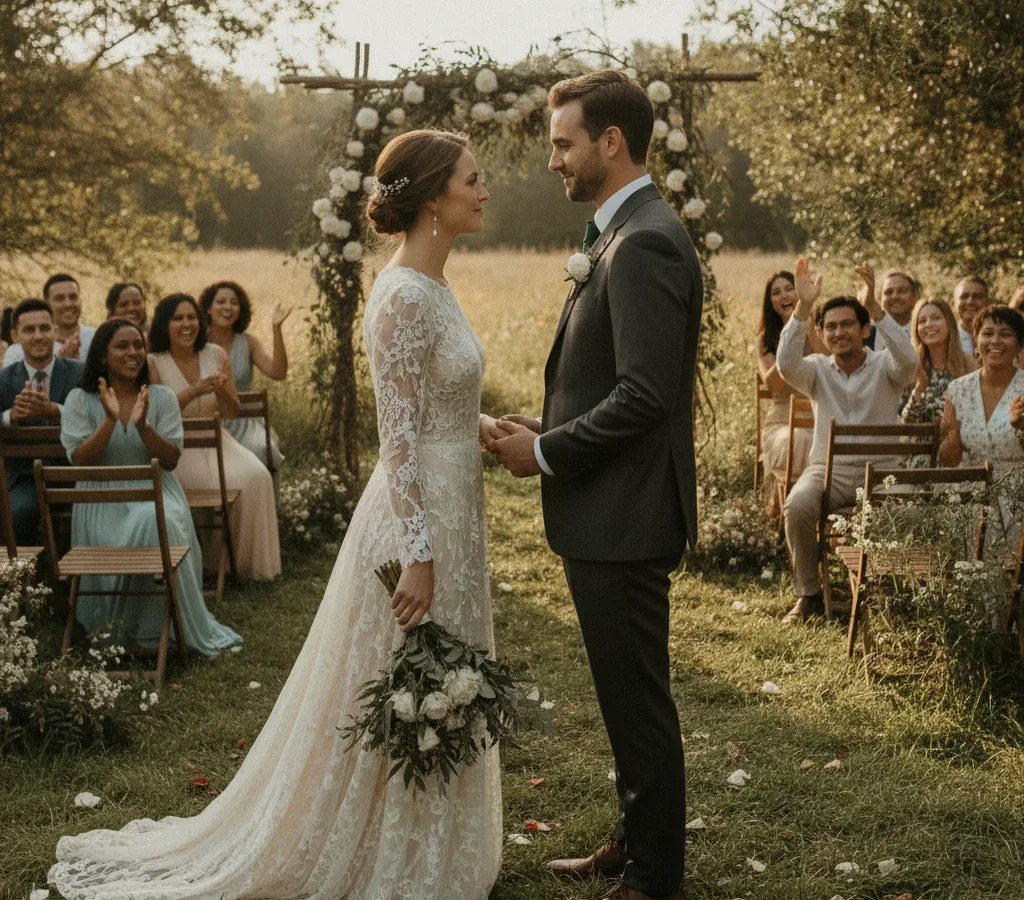
A wedding day is not a performance. It is a living, breathing story, full of quiet glances, nervous laughter, and moments of pure human connection that unfold whether or not a camera is pointed at them. My philosophy on wedding photography is built on a single conviction: the best images are not constructed, they are witnessed.
This article explains how I approach your wedding day, why I choose to observe rather than orchestrate, and what that means for the photographs you will hold for the rest of your life.
My Philosophy on Wedding Photography | Lino Ludovic
Reading time: ~9 min
- What does it mean to have a philosophy as a wedding photographer?
- Documentary wedding photography versus traditional wedding photography
- How I stay unobtrusive without missing a thing
- The experience-first mindset: your day belongs to you
- Building a timeless visual narrative: light, composition, and moment
- What you can expect from working with me
- A true story, told with care
- Frequently asked questions
What does it mean to have a philosophy as a wedding photographer?
Why a philosophy matters in wedding photography
A philosophy is not a style. Style describes how images look. Philosophy describes why they are made the way they are. Many photographers can produce beautiful, technically polished images. Fewer have thought deeply about what role they should play on one of the most significant days of a person’s life.
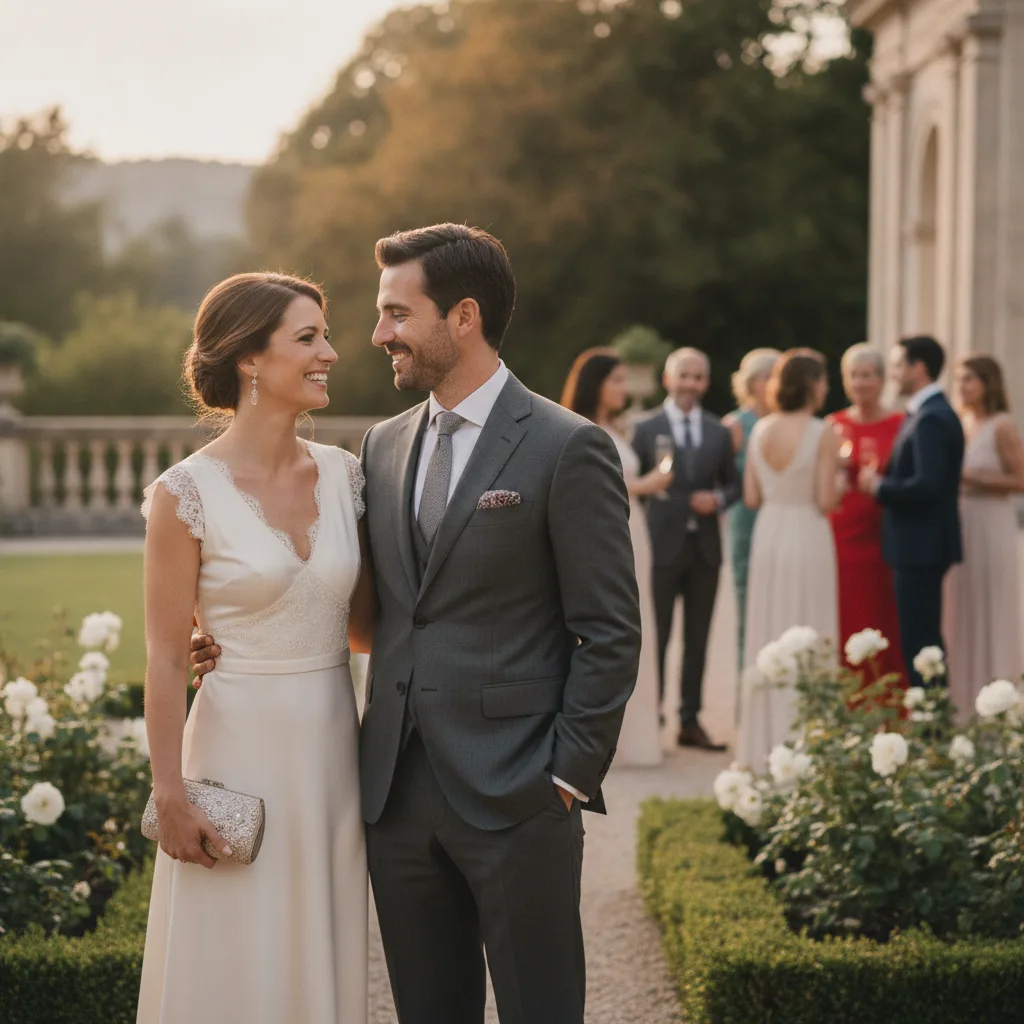
My philosophy on wedding photography draws from the tradition of documentary photography and photojournalism. Photographers associated with Magnum Photos and the principles established by Henri Cartier-Bresson, whose concept of the decisive moment remains one of the most powerful frameworks in visual storytelling, have shaped how I think about the relationship between photographer and subject. The decisive moment is not about speed. It is about patience, observation, and the ability to recognize when emotion, light, and composition align into something true.
For me, this means arriving at your wedding not as a vendor with a checklist, but as a quiet, attentive witness. My job is to understand the emotional context of your day, to learn who your people are, what makes you laugh together, and where the energy lives in the room. From that understanding, I build a cohesive visual narrative that reflects your celebration as it actually was.
Documentary wedding photography versus traditional wedding photography
Understanding documentary versus traditional approaches
The distinction between documentary and traditional wedding photography is worth understanding clearly, because it shapes every aspect of how your day will feel with a photographer present.
The following comparison illustrates the key differences:
| Approach | Direction level | Shot list | Primary focus | Result |
|---|---|---|---|---|
| Traditional / posed | High | Rigid, extensive | Formal portraits and group shots | Polished but often stiff imagery |
| Documentary / photojournalistic | Minimal | Flexible or none | Candid moments and emotional storytelling | Authentic, emotionally resonant imagery |
| Hybrid (my approach) | Light, intentional | Loose framework | Candid coverage with guided portrait session | Timeless storytelling with editorial elegance |
I work in the hybrid space, but with a strong documentary foundation. During your ceremony, cocktail hour, and reception, I do not control scenes or manufacture moments. I observe, anticipate, and document events without predefined judgment. The only time I take a more active role is during your portrait session, where I gently guide you into beautiful light and offer simple, natural prompts that help you forget the camera is there at all.
This is particularly important for couples who fear awkward, stiff posing. The goal is never to make you look like a model. The goal is to make you look like yourselves, at your most joyful and most present.
How I stay unobtrusive without missing a thing
One of the most common fears I hear from couples, especially those planning destination weddings in France or Italy, is that a photographer will be too present, too loud, too disruptive. They worry about a camera appearing in every intimate moment, or a photographer who pulls them away from their guests for endless portraits.
Staying unobtrusive is a practiced discipline, not a passive choice. It requires deep familiarity with the flow of a wedding day, the ability to anticipate emotional peaks before they happen, and the confidence to hold back rather than rush in. I position myself in the room long before key moments unfold. I read the energy of a speech before the tears arrive. I notice the grandmother watching from the edge of the dance floor before she steps in. Authenticity is fragile, and even a small interruption can cost an irreplaceable moment.
During the ceremony, I move deliberately and sparingly. I use longer focal lengths to stay physically distant while remaining emotionally close to the scene. I never cross in front of the officiant or disrupt the sightlines of your guests. My presence should feel, as much as possible, like that of an attentive guest rather than a working professional.
Good to know: Wedding photojournalism, as defined by organizations such as the Wedding Photojournalists Association (WPJA) and the International Society of Professional Wedding Photographers (ISPWP), is built on the principle that the photographer documents events without controlling or staging them. This ethical framework is at the heart of my practice.
The experience-first mindset: your day belongs to you
Putting your wedding experience before the photos
I describe myself as an experience-first wedding photographer. This means that your experience of your wedding day is always the priority. Photography should never overshadow the celebration it is meant to document.
In practical terms, this shapes many of my decisions. I keep portrait sessions short and purposeful, typically no longer than twenty to thirty minutes, so you can return to your guests quickly. I do not ask you to repeat moments or recreate scenes for the camera. I never pull you away from a conversation, a dance, or a quiet moment with your partner just because the light happens to be good somewhere else.
This philosophy resonates strongly with couples who are hosting multi-day destination weddings, where the emotional investment is enormous and every moment with family and friends who have traveled across the world to be there carries real weight. At a welcome dinner in a French chateau or a farewell brunch overlooking the Tuscan hills, you should be fully present. I will handle the rest.
For the high-end wedding planners and event designers I work with regularly, this experience-first approach also translates into seamless collaboration. I understand complex timelines, I respect the design details that took months to conceptualize, and I deliver the detail shots, tablescapes, and floral installation images that matter for editorial submissions and portfolio work. Being a reliable, polished team player is not separate from my artistic philosophy. It is an extension of it.
Building a timeless visual narrative: light, composition, and moment
My creative decisions rest on three pillars: light, composition, and moment. These are not technical abstractions. They are the practical tools through which authentic storytelling happens.
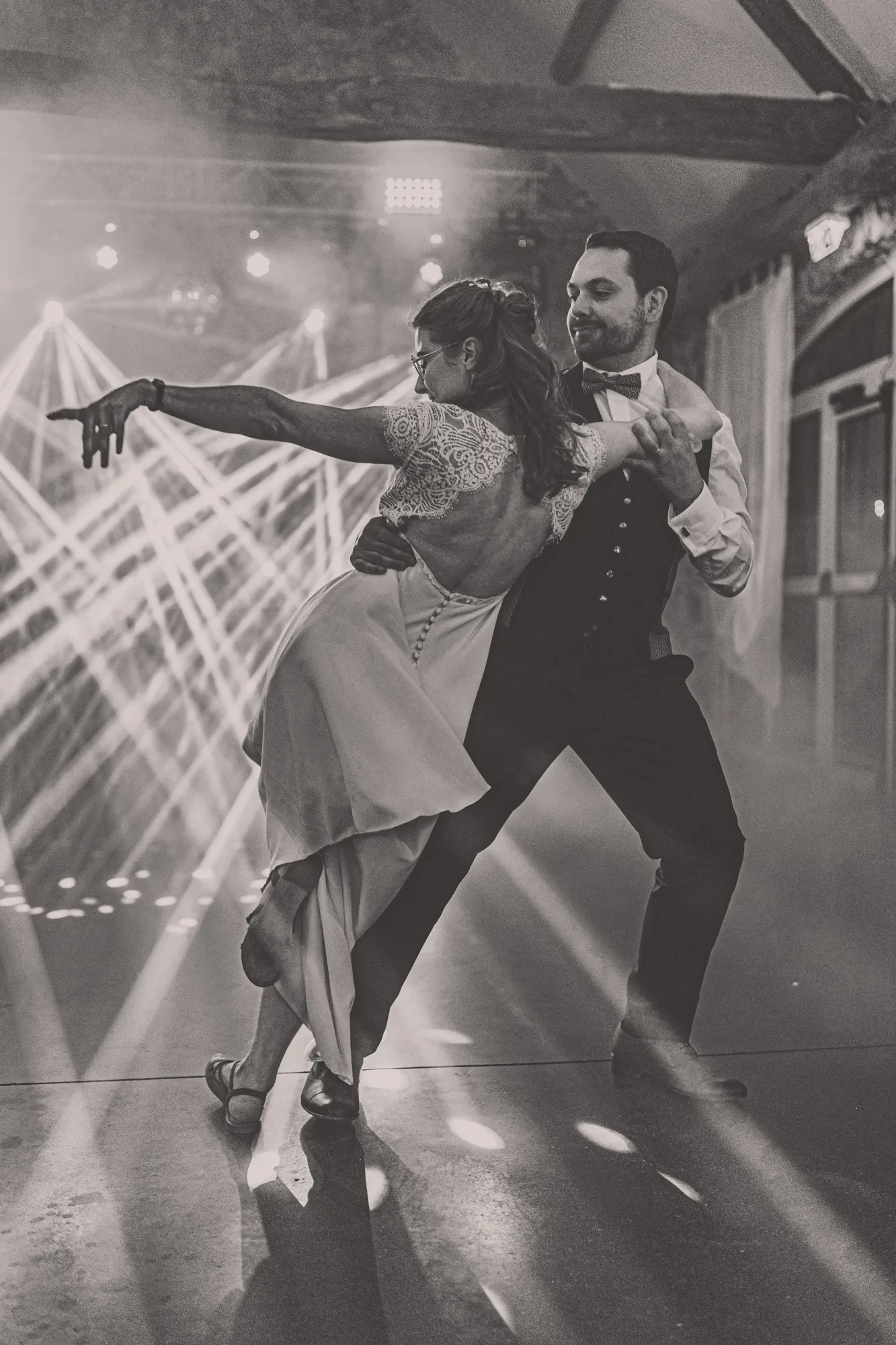
Light shapes emotion. Soft, directional natural light during a getting-ready sequence tells a different story than the warm, golden glow of a candlelit reception. I am constantly reading the light in a room and positioning myself to use it rather than fight it. I may gently move you a few steps into better light during a portrait session, but I will never fabricate a moment that would not have occurred naturally.
Composition gives meaning to chaos. A wedding day is full of movement, noise, and overlapping stories. Strong composition is how I draw the eye to what matters, isolating a quiet embrace in a crowded room or framing the architecture of a historic venue to give scale and context to the human story within it.
Moment is everything. The in-between moments, the ones that happen in the silence between planned events, are often the most powerful images in a final gallery. A bride catching her father’s eye before she walks down the aisle. A groom laughing with his best man in the car on the way to the ceremony. These are the images that couples return to again and again, long after the flowers have faded.
Worth remembering: Rejecting trends is a deliberate part of my philosophy. Images built on strong light, honest composition, and real human emotion do not age. Heavy filters, fashionable editing styles, and gimmicky techniques do. The photographs I deliver are designed to look as meaningful in fifty years as they do today.
This commitment to timeless aesthetics is also why I work with fine-art handcrafted wedding albums made in France. An album is not a product. It is the physical form of your visual narrative, designed to be passed down through generations.
What you can expect from working with me
Working with a photographer whose philosophy is rooted in quiet observation and authentic storytelling means trusting that the camera will be there when it matters, without you having to manage it. From the first Zoom call to the delivery of your heirloom album, the experience is designed to be seamless, culturally attuned, and entirely focused on you.
For couples planning a destination wedding in France or Italy, I bring not only an editorial eye and a documentary approach, but also a deep familiarity with these locations, their light, their architecture, and the particular kind of beauty they offer. For US planners building their vendor team in Europe, I bring fluent English, an understanding of American luxury standards, and the reliability that complex, multi-day productions require.
If you would like to explore what this approach could look like for your celebration, I invite you to visit linoludovic.fr to learn more.
A true story, told with care
A wedding photography philosophy is ultimately an answer to a simple question: what is this work for? For me, the answer is clear. It is to create an honest, emotionally resonant, and timeless record of one of the most significant days of your life. Not a curated performance. Not a series of poses. A true story, told with discretion, craft, and genuine care for the people at the center of it.
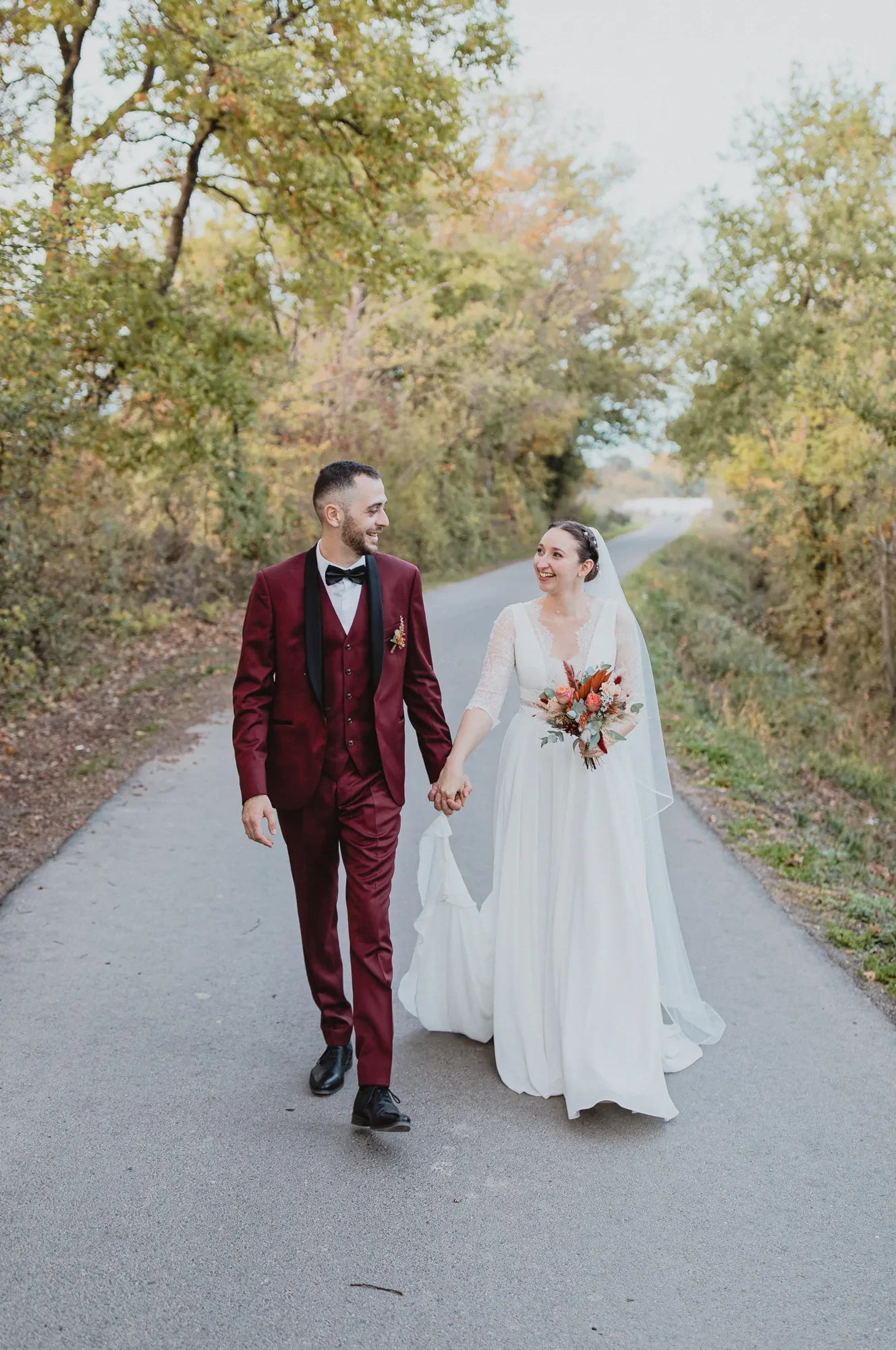
The images that matter most are rarely the ones that were planned. They are the ones that were witnessed.
FAQ
Why do some wedding photographers refuse to use rigid shot lists?
A rigid shot list can turn a wedding photographer into a coordinator rather than a storyteller. When a photographer is focused on checking items off a list, they are not watching the room. Documentary-style photographers prefer a loose framework for must-have family groupings, combined with the freedom to follow the emotional energy of the day wherever it leads.
How does a wedding photographer capture authentic emotions without directing poses?
Authentic emotion is captured through anticipation, not direction. An experienced documentary photographer learns to read the rhythm of a wedding day, positioning themselves before key moments unfold rather than reacting after the fact. Simple, natural prompts during a portrait session, such as asking a couple to walk together or share a quiet moment, can also create genuine connection without manufacturing a pose.
What is the difference between photojournalism and documentary wedding photography?
Photojournalism, as practiced by organizations like the National Press Photographers Association (NPPA), is rooted in the ethical commitment to document events without altering them. Documentary wedding photography applies this same principle to a personal celebration, treating the wedding day as a story to be witnessed and recorded honestly, rather than staged for the camera.
How does working with a Europe-based photographer benefit US couples planning a destination wedding?
A photographer already based in France or Italy brings logistical ease, deep location knowledge, and cultural fluency that a US-based photographer traveling to Europe cannot always replicate. There are no jet lag concerns, no unfamiliarity with venues or local light conditions, and no time zone barriers for communication with your planning team.
What should couples expect during the portrait session if the photographer takes a documentary approach?
Even within a documentary philosophy, a brief portrait session is a valuable part of the day. Couples can expect gentle guidance into beautiful light, simple prompts designed to create natural movement and connection, and a relaxed atmosphere that feels more like a quiet walk together than a formal photo shoot. The goal is always to produce images that feel authentic, not staged.
How does a photographer’s philosophy affect the final wedding album?
A photographer’s philosophy shapes not only the images captured but how they are sequenced and presented. A documentary approach produces a gallery with a clear narrative arc, from the quiet anticipation of the getting-ready sequence through the ceremony, portraits, and reception. When translated into a fine-art heirloom album, this narrative becomes a complete, emotionally coherent story rather than a collection of isolated beautiful images.