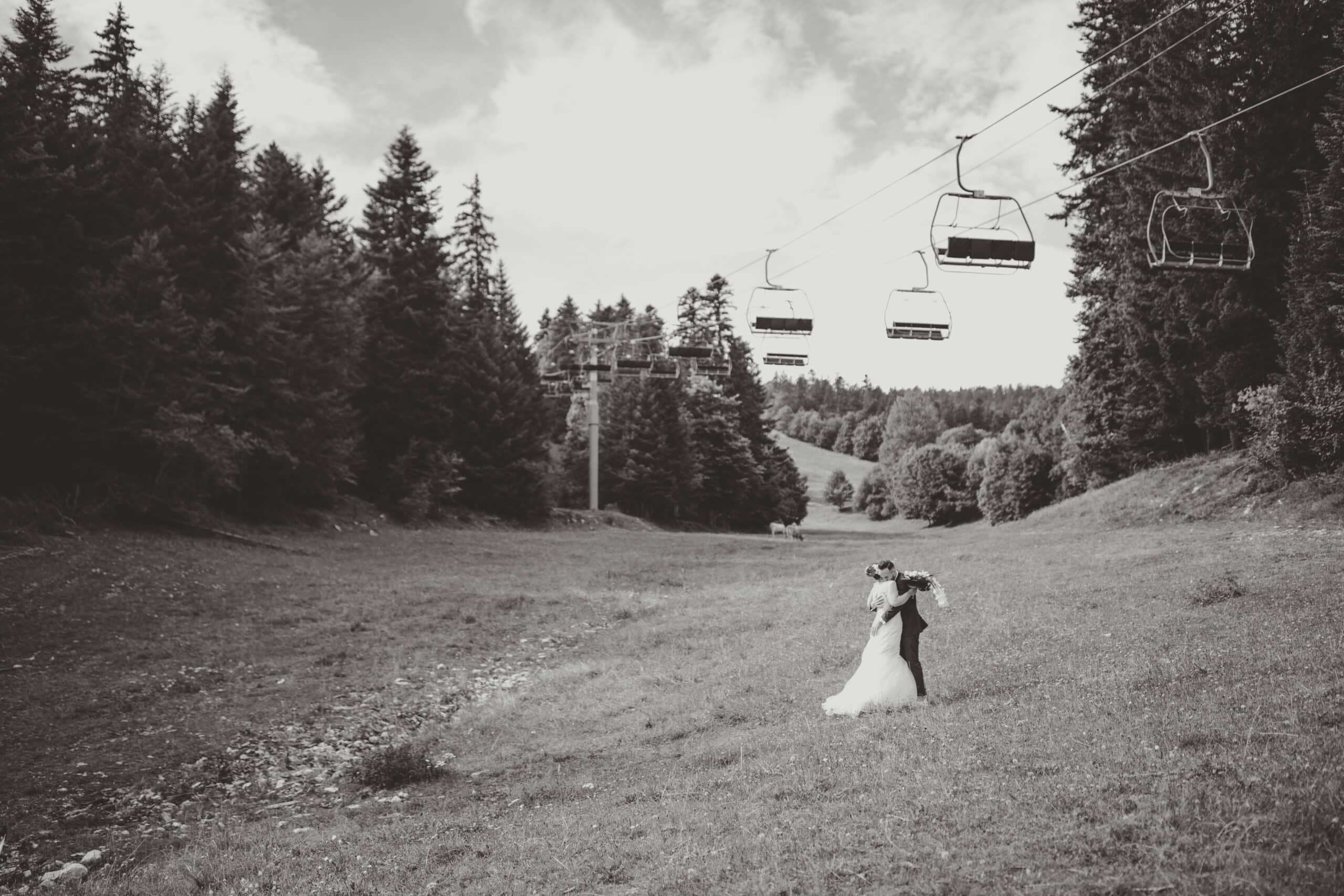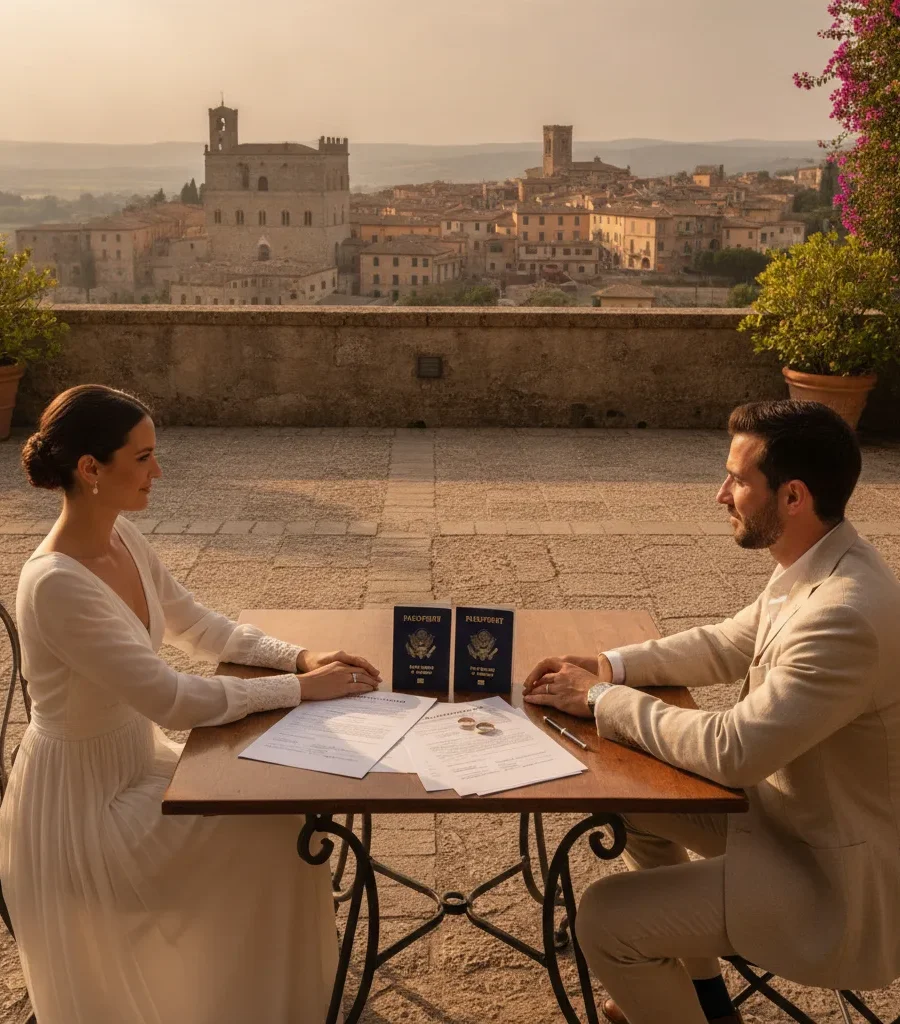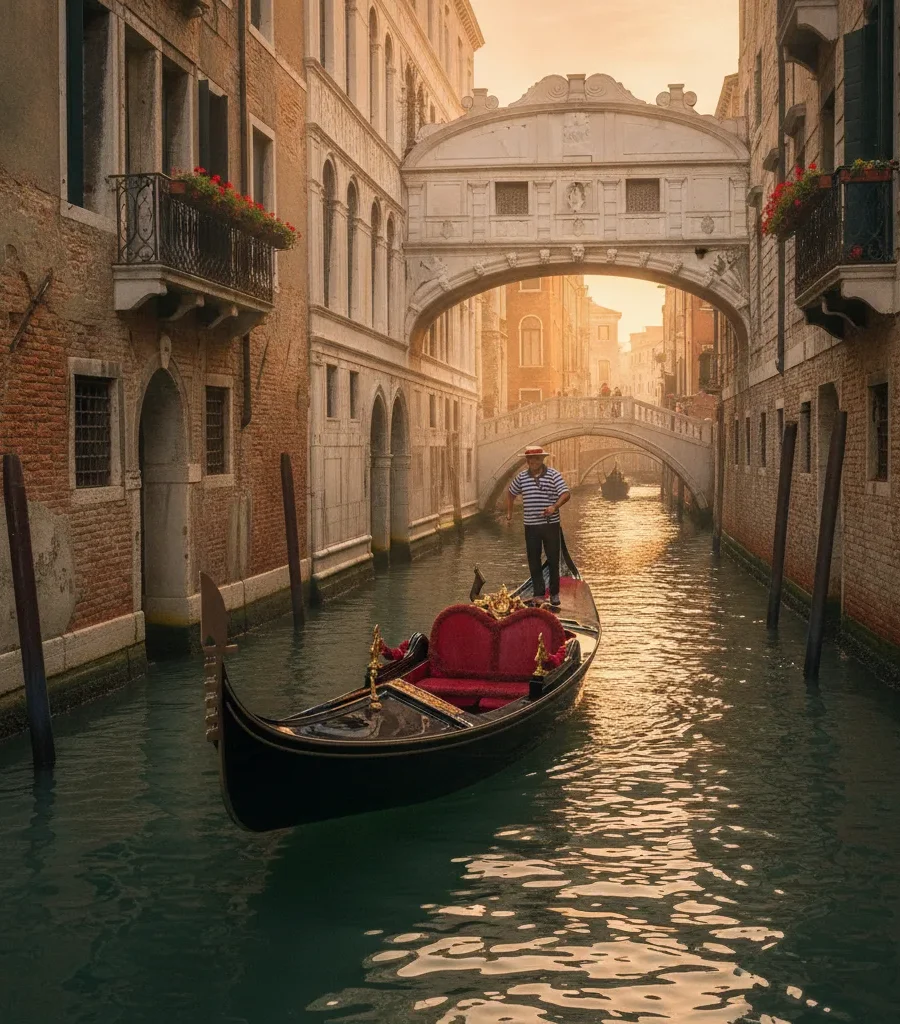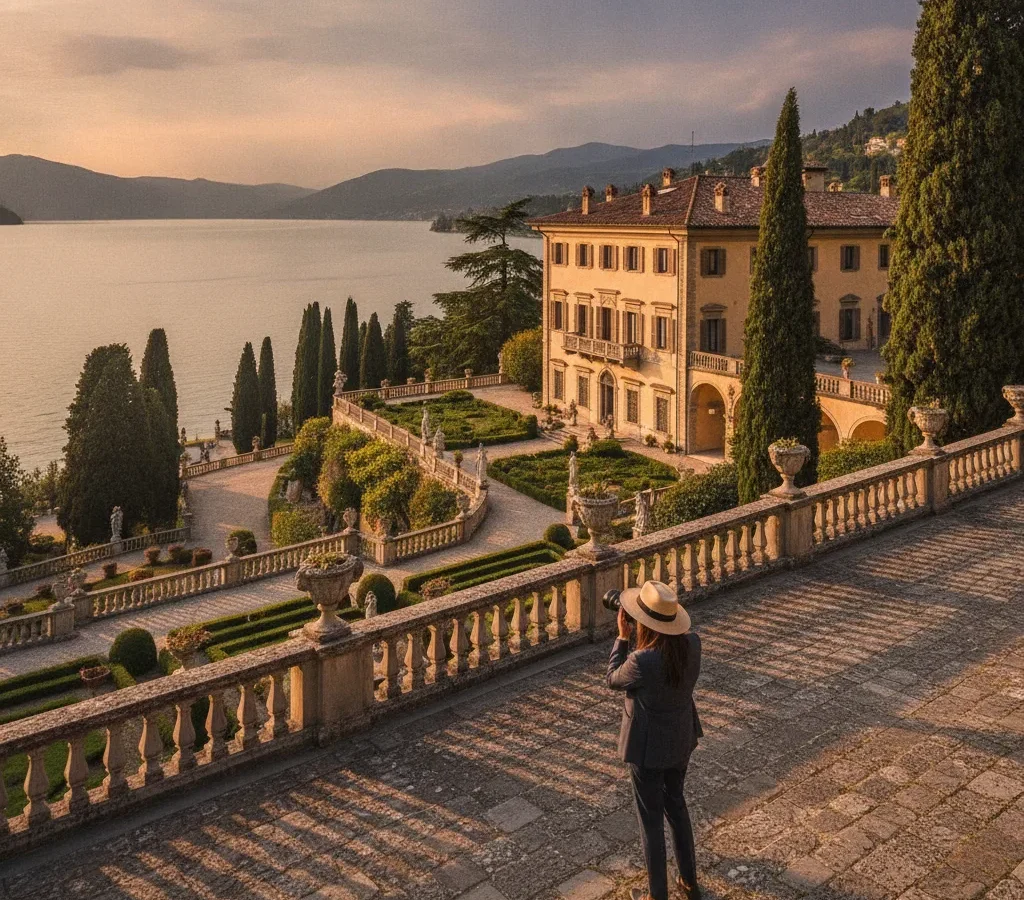
Choosing a chateau in Provence or a villa on Lake Como is a decision your photographs will carry forever. When you are scouting wedding venues for photography in France and Italy, the architecture, the orientation of the terrace, the height of the cypress trees and the hour the sun drops behind the hill will shape every frame of your wedding weekend.
This is why scouting wedding venues for photography in France and Italy sits at the very beginning of our process, long before the first guest arrives. We treat the location as a set to be studied, not a backdrop to be discovered on the morning of the ceremony. Below, we explain how we scout, what we document, and how that work reaches your planner as a shared visual guide.
Scouting Wedding Venues for Photography in France & Italy
Reading time: ~12 min
- What venue scouting means for a wedding photographer
- Why scouting visibly changes the final gallery
- A French wedding venue photography checklist
- Scouting wedding locations abroad in Italy
- Golden hour scouting and timeline integration
- Photographer-led versus planner-led scouting
- What our venue scouting package for a destination wedding includes
- When scouting should happen
- The quiet advantage of arriving prepared
- Frequently asked questions
What venue scouting means for a wedding photographer
From casual visit to structured study
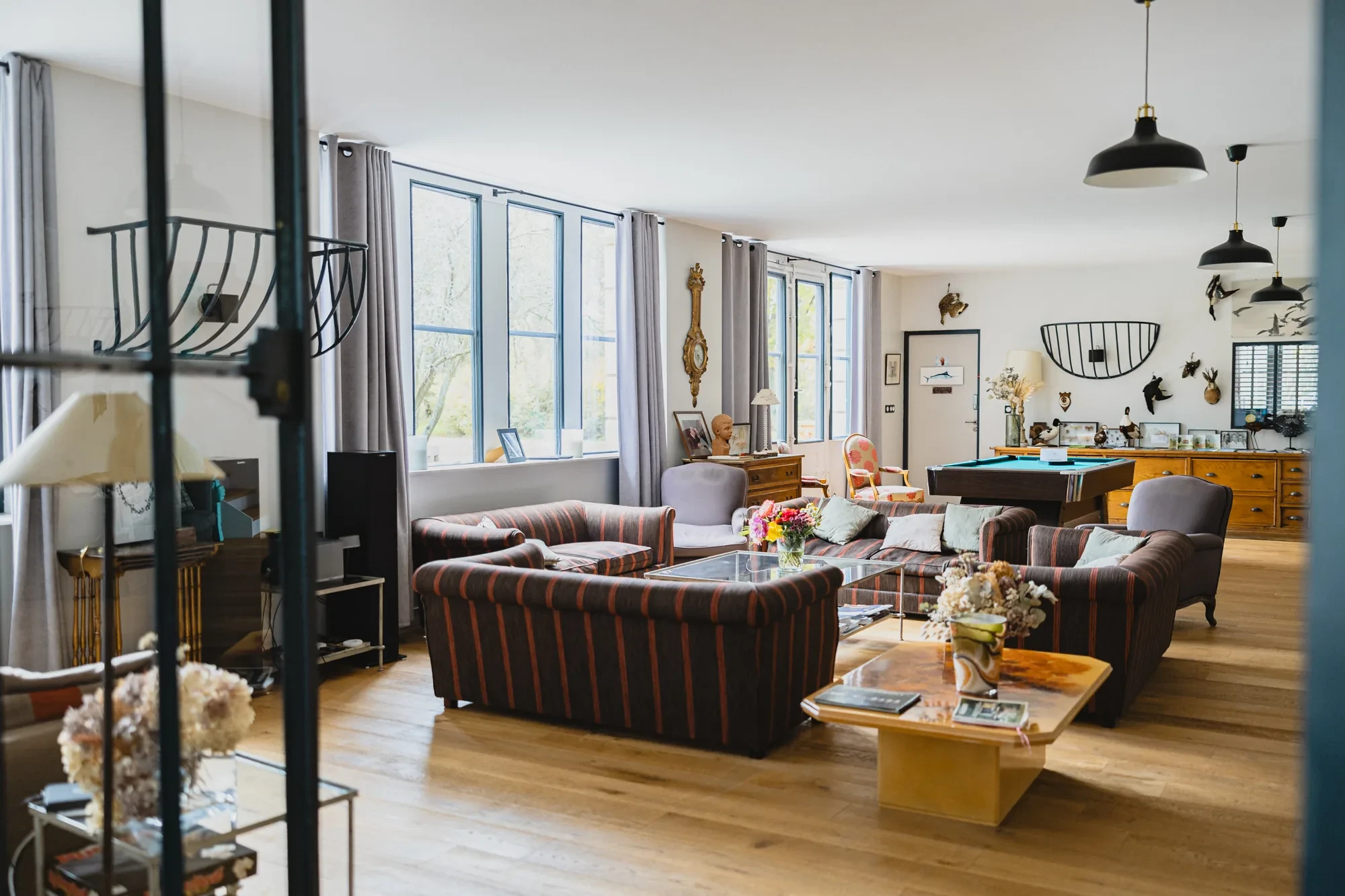
Venue scouting is the structured study of a property through a photographic lens. It is not a casual visit or a pleasant walk around the gardens. We arrive with a venue brief that lists the ceremony site, the cocktail lawn, the dining room, the bridal suite and the dance floor, then we measure how light, distance and sightlines behave in each of those spaces at the exact hours your celebration will use them.
Destination wedding photography in France and destination wedding photography in Italy both reward this preparation, because a property that looks luminous in an agency brochure can face north, sit under heavy canopy, or place the ceremony aisle directly against a harsh backlit wall at four in the afternoon. This is the discipline any wedding photographer covering a destination weekend needs to bring to the table before the first guest arrives.
Specialist sources in the destination market confirm that pre-wedding location scouting is a standard inclusion in serious destination photography coverage in France, usually bundled with extended coverage across a full weekend rather than sold as a novelty. French Wedding Style, one of the reference publications for English speaking couples marrying in France, frames scouting and extended coverage as part of what a destination photographer brings that a fly-in generalist cannot. That is the logic we follow for every multi-day celebration we document.
Why scouting visibly changes the final gallery
Planning compositions before the wedding day
The difference between a beautiful venue and a beautiful gallery is composition planning. When we scout, we map directional light hour by hour, identify two or three portrait backdrops that will still work if the ceremony runs late, and test the walking transitions between spaces so your portraits are made on a path your dress and your shoes can actually handle.
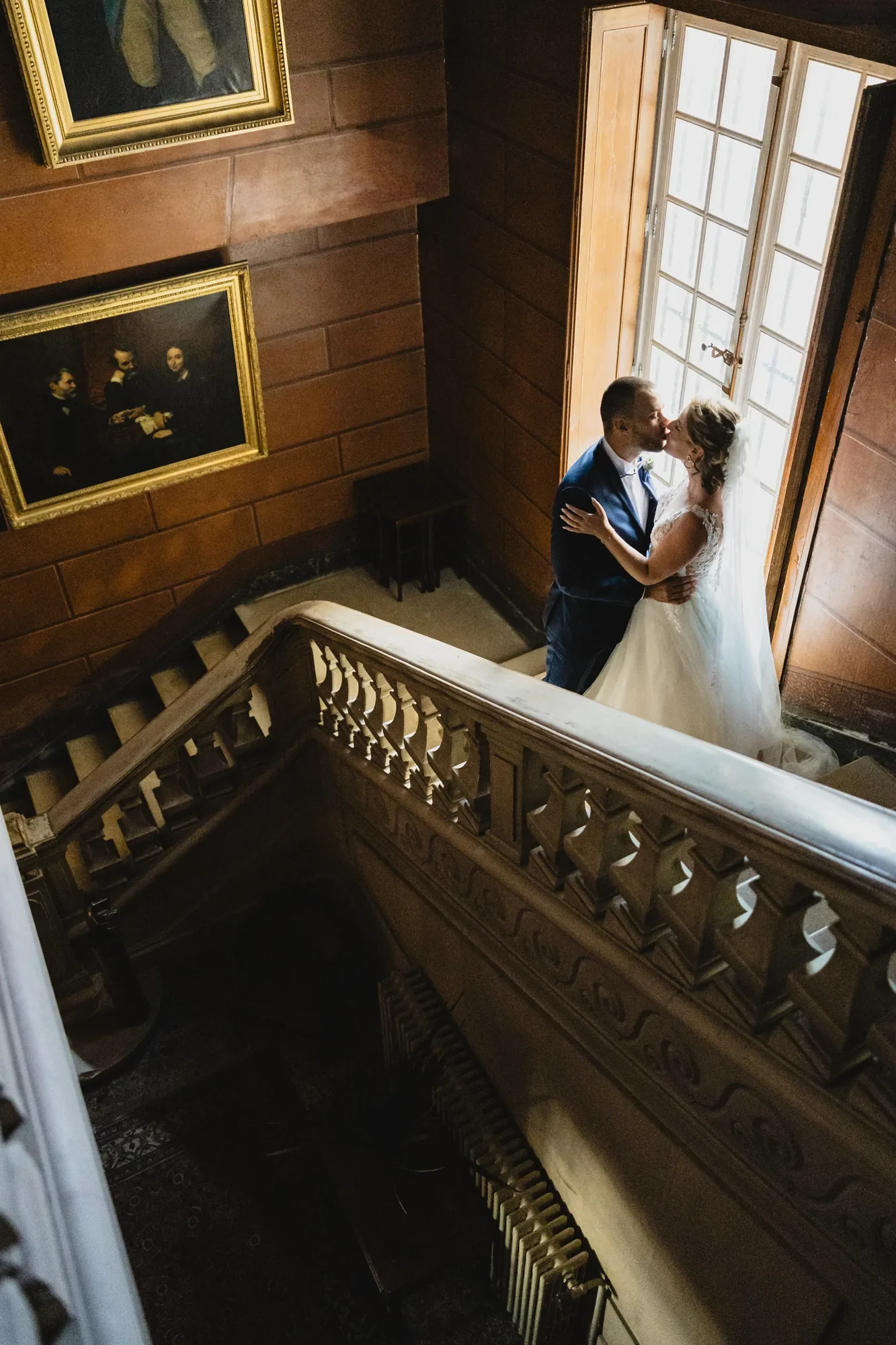
We note crowd patterns in public areas, such as the lanes of an Italian hill town or a Riviera seafront, because a stunning location crowded with tourists at six in the evening is not the same location at seven in the morning. Photography guidance for destination work consistently recommends checking light, crowd patterns and permit requirements before the day itself rather than improvising on arrival.
Scouting also protects the design work. For the planners and event designers we partner with, detail coverage is not decoration, it is portfolio and press material. Knowing in advance that the tablescape sits in a vaulted room lit by a single window changes how we prepare, what we bring and how we sequence the reception coverage. The same applies to a ceremony structure such as a wooden arch dressed with seasonal florals, where the angle of approach decides whether the flowers read as a frame or as a distraction.
Good to know
A rain contingency is not a plan B, it is a second set of photographs. We document the indoor fallback rooms with the same care as the gardens, so a wet ceremony still produces images that belong in the same gallery.
A French wedding venue photography checklist
Logistics that shape your photographs
France rewards structure. Properties in the Loire Valley, Provence and along the French Riviera, including settings similar to the coastline near our Six-Fours-les-Plages celebration in the Var, operate with clear rules, and those rules shape your timeline far more than couples expect. A French wedding venue photography checklist should therefore combine logistics with light.
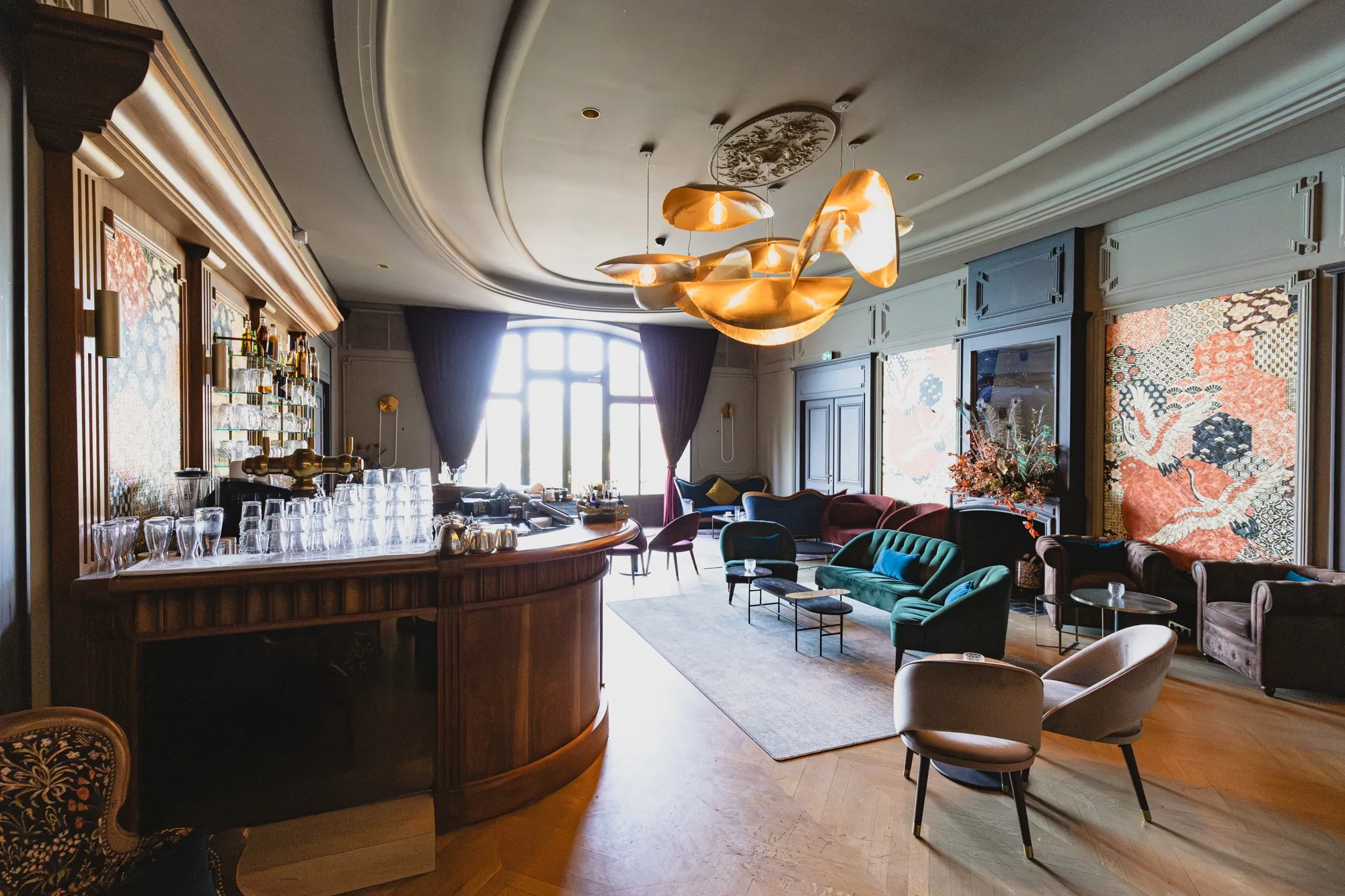
Venue exclusivity determines whether another event shares your grounds. Noise restrictions decide when the music stops and when the last dance photographs can be made. The ceremony-to-reception transition, meaning the turnaround time between spaces, tells us how long we realistically have for couple portraits. On-site accommodation changes the entire morning, because getting ready in a dedicated suite with a large window is a different proposition from a dark hotel room across the valley.
Bridal suite lighting deserves its own line in the checklist. A generous window facing east or north gives soft, wraparound light for the dress, the jewellery and the first look with a parent. A gilded mirror, a paneled wall or Art Deco wallpaper, elements we frequently find in restored French properties, become genuine compositional assets when the light is right.
Venue search guidance published for couples marrying in France lists capacity, exclusive hire, curfew, accommodation and changeover logistics among the core questions to ask before signing, and each of those answers has a direct photographic consequence.
Scouting wedding locations abroad in Italy
Matching Italian regions to your vision
Italy asks a different question. Instead of rules and access, the dominant variable is regional matching. Tuscany, Lake Como, the Amalfi Coast and the Dolomites deliver radically different palettes, elevations and light qualities, and the right region depends on the atmosphere you want in your album rather than on a checklist of amenities.
Italian scouting services sold to international couples typically build a curated venue shortlist, organise a virtual venue tour, compare quotes and support negotiation, with published pricing in this market starting from around 450 euros for a scouting service according to the service pages of specialist Italian providers. Hidden-gem discovery is part of the pitch, and it is genuine, because many of the most photogenic properties never appear in English language venue directories.
For us, an Italy wedding venue shortlist is built photographically. A villa on Lake Como with a west facing terrace gives a spectacular golden hour but a difficult midday ceremony. A Tuscan estate with a long cypress avenue offers an iconic portrait corridor but may place the reception far from the ceremony, which eats into your evening. The Dolomites deliver drama and altitude, with weather windows that need a serious rain contingency. These are trade-offs, not flaws, and they are exactly what a wedding venue search in France and Italy should surface before a deposit is paid.
| Criteria | France | Italy |
|---|---|---|
| Dominant scouting focus | Structure, access, rules, timing | Regional identity, visual variety, discovery |
| Key questions | Exclusivity, noise curfew, capacity, accommodation | Region matching, shortlist quality, quote comparison |
| Typical photographic risk | Compressed ceremony-to-reception transition | Travel time between ceremony and reception sites |
| Signature light | Long summer evenings in Provence and the Loire Valley | Warm, low golden hour on Lake Como and the Amalfi Coast |
| Common service format | Scouting bundled with extended weekend coverage | Priced scouting package with shortlist and virtual tour |
Golden hour scouting and timeline integration
Golden hour scouting in France and Italy is where preparation turns into calendar decisions. We calculate sunset for your exact date and coordinates, then walk the property at that hour to see where the light actually lands, which walls reflect it, and which terraces fall into shade twenty minutes earlier than expected. That single observation often moves the couple portrait slot, the speeches or the first dance by fifteen to thirty minutes.
Presented early to your planner, this is a small adjustment. Raised on the day, it becomes a negotiation with a catering team mid service.
The same work informs your multi-day schedule. A welcome party, a rehearsal dinner, a wedding day and a farewell brunch each have their own light conditions and their own best corners of the property. Scouting lets us assign a distinct visual identity to each event so the weekend reads as a story rather than four versions of the same evening.
Photographer-led versus planner-led scouting
Both approaches are valuable and they are not in competition. A planner scouts for capacity, service flow, vendor access and contractual terms. A photographer scouts for light, sightline control, portrait backdrops and visual storytelling.
Photographer-led venue scouting for a destination wedding answers questions a floor plan cannot, such as where the sun will be during the aperitivo or whether the grand staircase is usable without blocking guest circulation. You can read more about our approach to this collaborative preparation. The strongest outcome is a hybrid, where our scouting report feeds directly into the planner’s production documents and the wedding day timeline integration happens once, cleanly, months in advance.
Important
We never position ourselves above the planning team. Our scouting notes are shared as a collaborative document, and the final timeline belongs to your planner.
What our venue scouting package for a destination wedding includes
When a couple or a planner engages us early, scouting is delivered as a structured set of documents rather than a verbal briefing. Here is what a photographer venue scouting checklist and report typically covers on our side:
- A light study of every key space, with directional light and shade mapped against your date and hour by hour timing
- Two to four confirmed portrait backdrops, including one covered option for a rain contingency
- Notes on venue exclusivity, noise restrictions, permit requirements for any off-site location and access constraints
- Measured walking transitions between ceremony, cocktail, dinner and dance spaces, with realistic durations
- A recommended golden hour window and its impact on the wedding day timeline
- Reference frames from the scouting visit, shared with your planner as a visual guide before the final walkthrough
For couples still comparing properties, we can intervene earlier and review a curated venue shortlist remotely, using virtual venue tours, floor plans, satellite orientation and existing imagery to flag photographic strengths and weaknesses before travel. It is a practical way to narrow a list of eight candidates to three before anyone books a flight.
When scouting should happen
The ideal window is three to six months before the celebration, close enough to the season for the light and foliage to be comparable, far enough ahead to influence the timeline. A second, shorter visit in the days before the wedding covers final adjustments such as furniture placement, floral installations and any late changes from the design team.
For couples still selecting a property, scouting should obviously happen before the contract is signed, which is when our input carries the most weight.
The quiet advantage of arriving prepared
Great destination photography rarely comes from improvisation. It comes from knowing the property, respecting the production, and being free on the day to observe people rather than solve problems. That is the whole purpose of scouting, to remove uncertainty so the images feel effortless.
You can see how this preparation translates into finished galleries across our portfolio, including French chateau celebrations in Savoie, Provence and the Loire region. If you are choosing between venues in France or Italy, or you have already secured your property and want it studied properly, we would be glad to discuss your weekend.
FAQ
Can scouting be done entirely remotely if we cannot travel to Europe beforehand?
Yes, at a preliminary level. Using virtual venue tours, floor plans, orientation data and existing photography, we can assess light direction, backdrop potential and circulation with reasonable accuracy. A physical visit remains superior for texture, scale and the behaviour of light on specific surfaces, so we usually recommend a remote review first and an on-site visit once the venue is confirmed.
Do we need permits for portraits outside the venue grounds?
Often yes, particularly in protected sites, historic centres and certain coastal areas in both countries. Permit requirements vary by municipality and by season, which is precisely why we verify them during scouting rather than on the wedding day. Your planner usually handles the application once we have identified the location.
How does scouting work for a multi-day celebration across several properties?
We scout each site used by the programme, from the welcome party venue to the farewell brunch terrace, and we build a single visual guide covering all of them. The objective is consistency, so that four events photographed in four settings still feel like one coherent body of work.
Does scouting change the way you photograph the design details?
It changes the preparation rather than the aesthetic. Knowing the room, its windows and its ceiling height in advance tells us when to photograph the tablescape, how much time to request before guests enter, and which angles will best serve a magazine or blog submission for the design team.
What if the venue changes its layout after the scouting visit?
It happens, especially when floral installations grow or a marquee is repositioned. Our scouting report is built around light and orientation, which do not change, so adapting to a new layout is a minor adjustment rather than a rewrite of the plan.