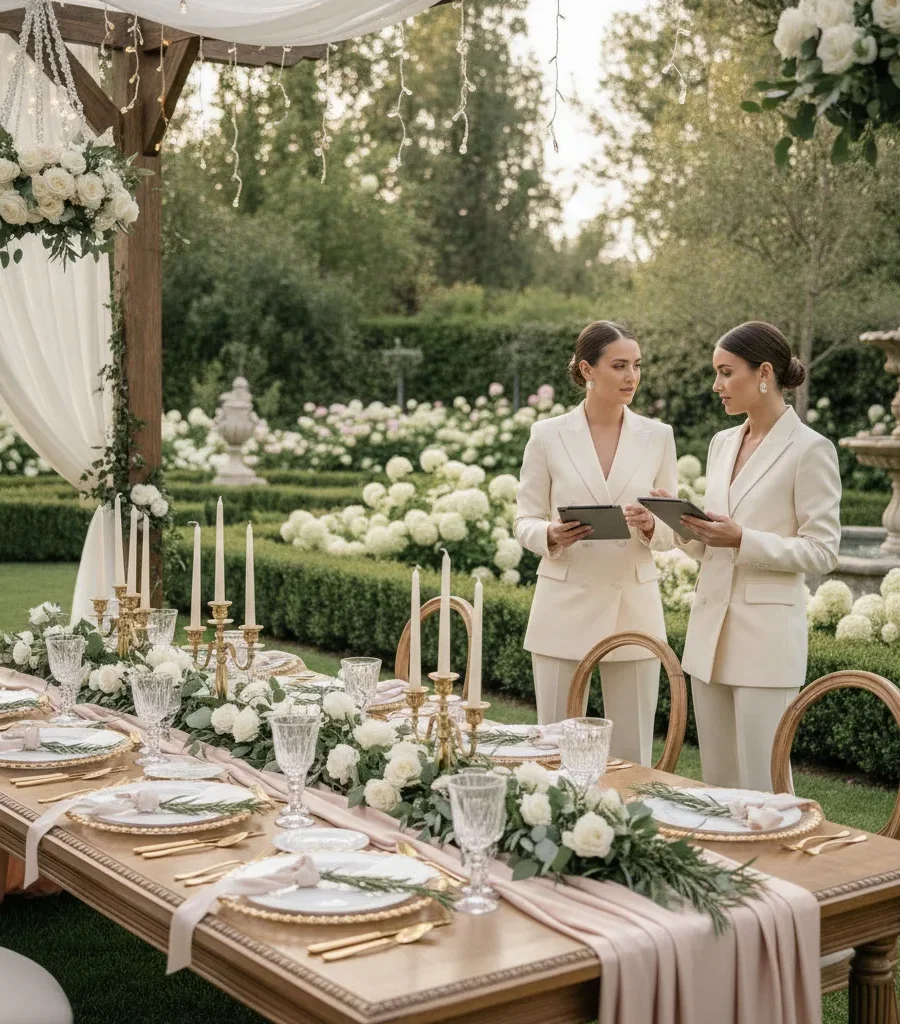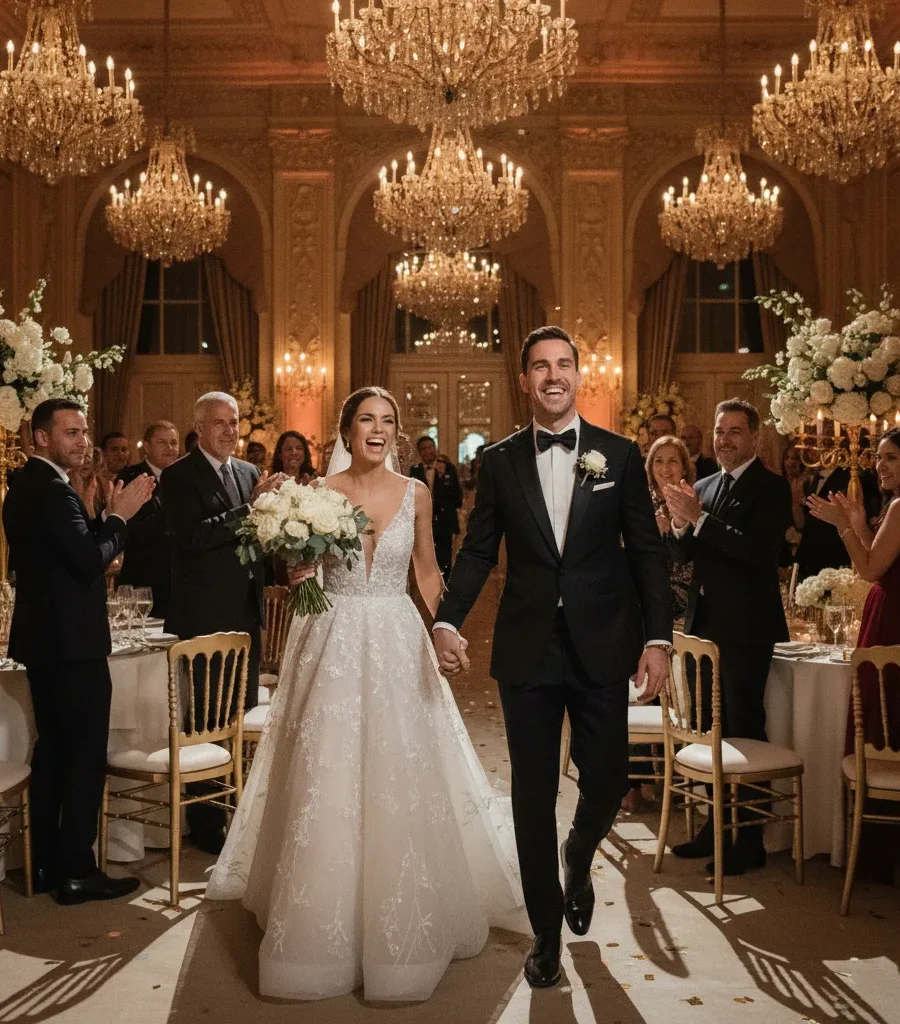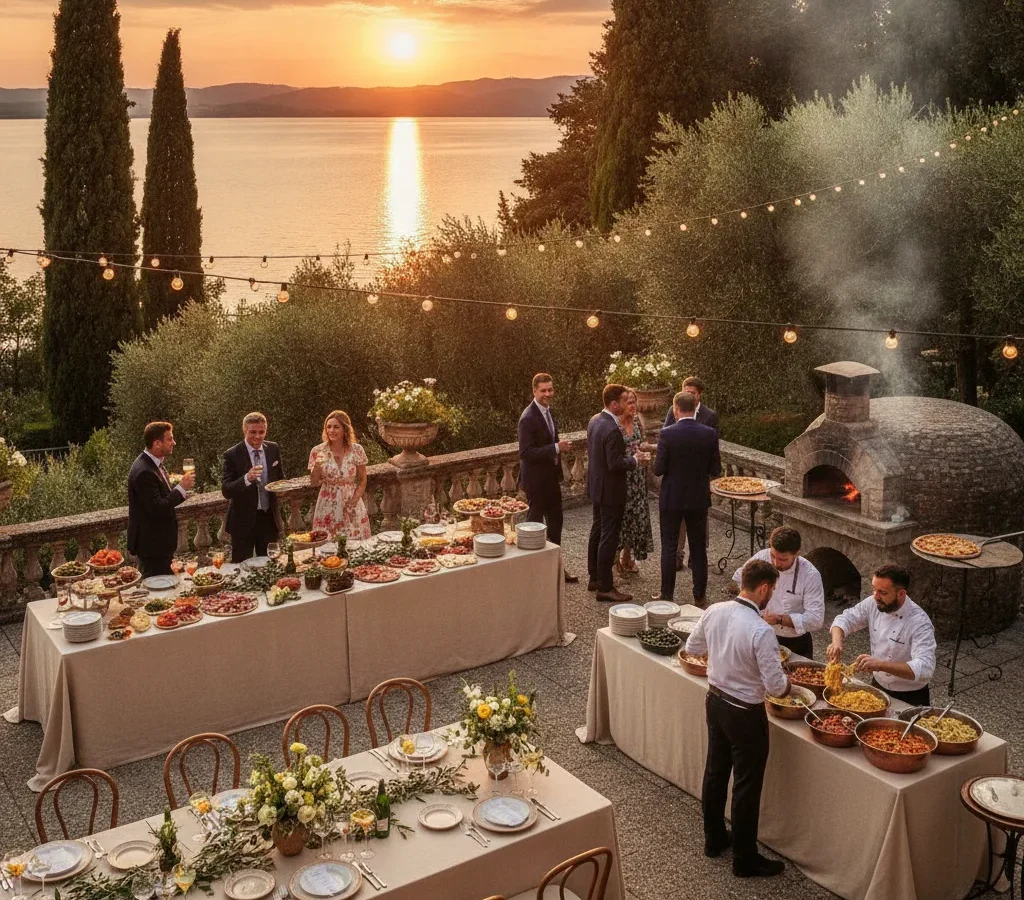
On an Italian wedding weekend, thoughtful Italian wedding food stations design shows that food is never just dinner. It is aperitivo on a Lake Como terrace, a pizzaiolo working a wood fired oven under Tuscan cypresses, and a fresh pasta bar that draws guests together long after the ceremony.
Thoughtful Italian wedding food stations design turns these moments into both a culinary experience and a visual chapter of your celebration. In this 2026 guide, we explain how couples, planners, caterers and photographers can build stations that taste exceptional and photograph beautifully.
Reading time: about 8 minutes
Italian Wedding Food Stations Design Guide for 2026
- Why Italian food stations work so well for destination weddings
- The best Italian wedding food station ideas
- Italian wedding food stations design principles for an elegant look
- Wedding food station layout and guest flow
- Food safety, allergens and venue restrictions
- How to make wedding food stations photogenic
- A planning timeline for caterer, designer and photographer
- Bringing Italian wedding food stations to life
- FAQ
Why Italian food stations work so well for destination weddings
Italian cuisine is built around sharing, regional pride and visible craftsmanship. Food stations reflect those values far better than a plated course served in silence. Guests move, talk, watch a chef roll dough or grate Parmigiano Reggiano, and the reception gains a rhythm that feels relaxed yet curated.
For US couples planning a multiday celebration in Tuscany, Puglia or on the Amalfi Coast, stations also solve a practical challenge. Your guests have flown across the world, and many of them are discovering Italy for the first time. Interactive Italian wedding food gives them a story to take home, while giving your event designer a canvas that complements florals, linens and architecture.
From our perspective as photographers, a well designed station is one of the richest sources of images during the whole weekend. It combines texture, color, human gestures and genuine emotion in a single frame, which is exactly the editorial and cinematic quality our clients expect from us.
The best Italian wedding food station ideas
Choosing the right formats depends on your venue, the time of day and the role each station plays in the event. Below are the Italian food stations for weddings that consistently deliver on flavor, experience and visual impact.
Fresh pasta bar
An Italian pasta station wedding guests remember is built around a live cooking station with a visible chef. To limit waiting time, sourcing guides recommend focusing on one or two pasta shapes, with sauces served separately and clear vegetarian options.
A regional storyline adds depth: tagliatelle al ragù for Bologna, trofie with pesto alla Genovese for Liguria, cacio e pepe for Rome. Shallow ceramic bowls, a dusting of flour on a wooden board and fresh basil in terracotta pots make the setup both authentic and highly photogenic.
Pizza station
An Italian pizza station wedding concept works especially well for welcome parties and late evening service. A pizzaiolo with a wood fired oven brings theater, while toppings displayed in ceramic bowls or on wooden boards keep the presentation refined. Prepared dough, individual pizzas and a clear vegetarian selection keep service moving.
Antipasti grazing table
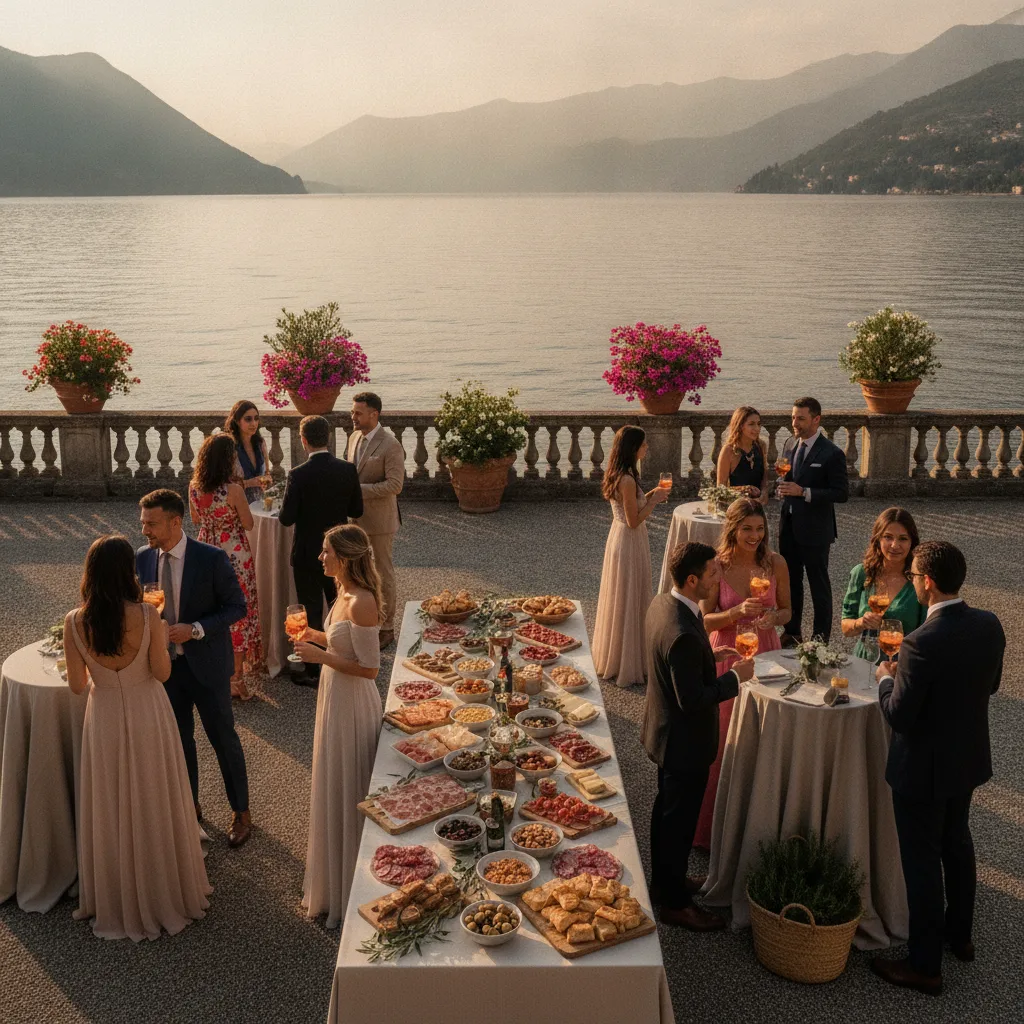
An Italian antipasti station wedding guests will gravitate toward during aperitivo hour typically includes a salumi and formaggi display with prosciutto, mortadella and salami, burrata, aged cheeses, olives, marinated artichokes and grilled peppers.
Style Me Pretty documented a reception at La Foce in Tuscany where the spread combined cured meats, porchetta, Italian cheeses, crostini, bruschette, carpaccio, panzanella and pappa al pomodoro. Figs, grapes, small jars of honey and olive branches complete a rustic Italian tablescape.
Bruschetta and crostini bar
This is one of the simplest elegant wedding food stations to execute. Toasted bases are prepared ahead, then topped at the last moment with tomato and basil, burrata, mushrooms with truffle or white beans with rosemary. Uniform portions and contrasting colors arranged on varied heights make it easy to photograph.
Italian dessert station and gelato cart
An Italian dessert station wedding guests love often features individual portions of tiramisù, panna cotta, cannoli, biscotti and torta della nonna, which improves flow and keeps the display tidy. A gelato cart with affogato on request is a natural fit for summer receptions, provided the cold chain is planned carefully with the caterer.
Aperitivo and late night snack station
Placed near the ceremony exit, an aperitivo station with Prosecco, Aperol Spritz, Bellini and Negroni creates a graceful transition into cocktail hour. Later in the evening, a late night snack station with mini pizzas or fried arancini keeps energy high on the dance floor.
The table below summarizes how each format behaves in terms of service and photographic potential.
| Station | Recommended service | Best moment in the weekend | Signature photograph |
|---|---|---|---|
| Fresh pasta bar | Attended, live cooking | Reception dinner | Chef plating, parmesan grating |
| Pizza station | Attended, pizzaiolo | Welcome party, late night | Pizza coming out of the oven |
| Antipasti grazing table | Self service with staff refill | Aperitivo hour | Overhead view of the full spread |
| Bruschetta and crostini bar | Self service or attended | Cocktail hour | Olive oil pour on fresh toppings |
| Dessert station and gelato cart | Individual portions, attended gelato | After dinner | Scooping gelato, filling cannoli |
| Aperitivo station | Bartender service | Ceremony exit | Spritz glasses in golden light |
Italian wedding food stations design principles for an elegant look
Elegance comes from visual hierarchy rather than abundance alone. Every station needs one anchor visible from across the room, such as a whole wheel of Parmigiano Reggiano, a tower of rustic breads or a basket of heirloom tomatoes. Tiered risers and display heights then guide the eye from the anchor toward smaller details, while plates and cutlery sit clearly at the start of the guest path.
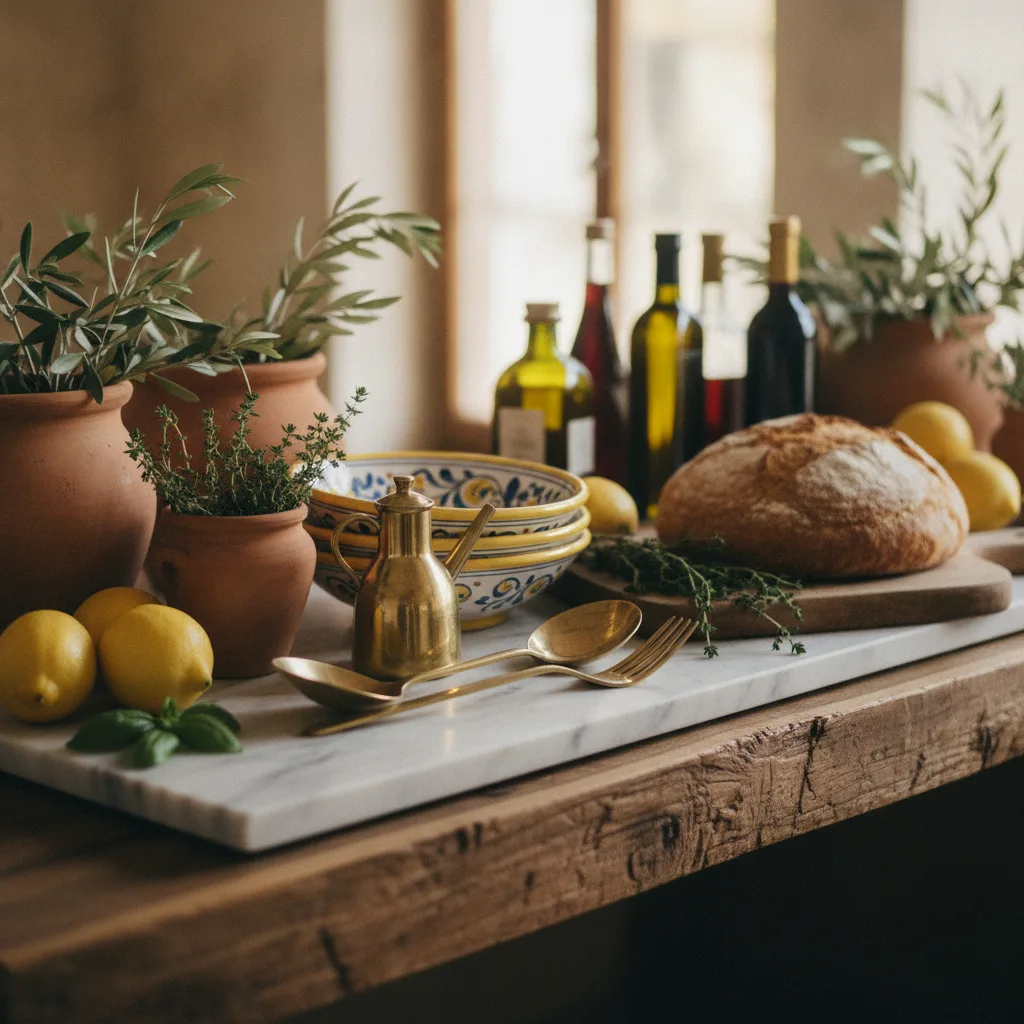
Materials should echo the venue rather than compete with it. Raw wood, marble, terracotta, linen, handmade ceramics and brass all read as Italian, but the mix should shift by region. To adapt your wedding food station decor to the location, consider these regional cues:
- Tuscany: weathered wood, terracotta and olive foliage for a warm, pastoral feel.
- Amalfi Coast: lemons, hand painted ceramics and touches of yellow and blue.
- Lake Como: understated elegance with glass, polished metal and neutral tones.
- Puglia: pale stone, natural fibers and Mediterranean greenery.
- Milan: clean lines, minimalist furniture and graphic details.
Signage deserves as much attention as florals. Strong food station signage ideas for weddings include the name of the dish, its region of origin, the main ingredients and allergen information, ideally designed alongside your menus and place cards so the stationery suite feels coherent. Station signage with regional origin also gives international guests a small lesson in Italian geography, which they genuinely enjoy.
Good to know
Decorative elements should never block refilling, cleaning or guest movement. Discuss every prop with the catering team before finalizing the design, because a beautiful arrangement that slows service will be quietly removed on the day.
Wedding food station layout and guest flow
A smart wedding food station layout separates preparation, service, waiting, clearing and storage zones. This separation reduces congestion and keeps the visible part of the station clean, which matters enormously for photographs.
To avoid long lines, spread the menu across several stations rather than concentrating everything at one counter. According to The Knot, a common professional guideline is roughly one station per 75 to 100 guests for a cocktail reception, adjusted for menu complexity and the level of chef assistance. Avoid narrow passages, place directional signage at entrances and prepare ready portions for quick items such as crostini or desserts.
Staffing ratio per station is equally decisive. The Knot recommends at least one server per station, and two people for more complex setups such as live pasta or pizza. For a black tie event, staff attire and presentation should match the formality of the evening, a point US planners usually specify in vendor briefs.
Food safety, allergens and venue restrictions
Beauty must never compromise safety, especially during outdoor summer receptions. FoodSafety.gov advises keeping hot food at 140°F (about 60°C) or above, using chafing dishes, warming trays or slow cookers, and serving smaller batches that are refilled frequently. For cold dishes, USDA guidance calls for holding food at 40°F or below, using refrigeration or an ice display, and discarding perishables left out for more than two hours, or one hour above 90°F.
Cheese and charcuterie are particularly sensitive in warm weather, so ask your caterer how the salumi and formaggi display will be rotated. Cross contamination and allergen labeling should be handled with separate utensils for vegetarian, vegan and gluten free options, and staff should be able to answer guest questions confidently.
Venue restrictions can reshape a concept entirely. Many historic villas and estates limit open flame, smoke and power supply, and ventilation may not allow a wood fired oven indoors. Confirm electrical capacity, gas permissions, access to water and cleanup requirements before committing to a design.
Important
Bring the photographer into the venue walkthrough when stations are being positioned. A station placed against a bright window or in a dark corner is very difficult to photograph well, while a small shift in orientation can transform the images.
How to make wedding food stations photogenic
Photogenic wedding food stations share a few traits: soft side lighting for food photography, matte surfaces, varied heights, fresh and colorful ingredients, coherent serveware and no visible industrial packaging. Ideally, one station is designed as the hero shot station, with a beautiful sign or monogram, discreet florals, a spectacular central element and a small clear space where we can work without disturbing staff.
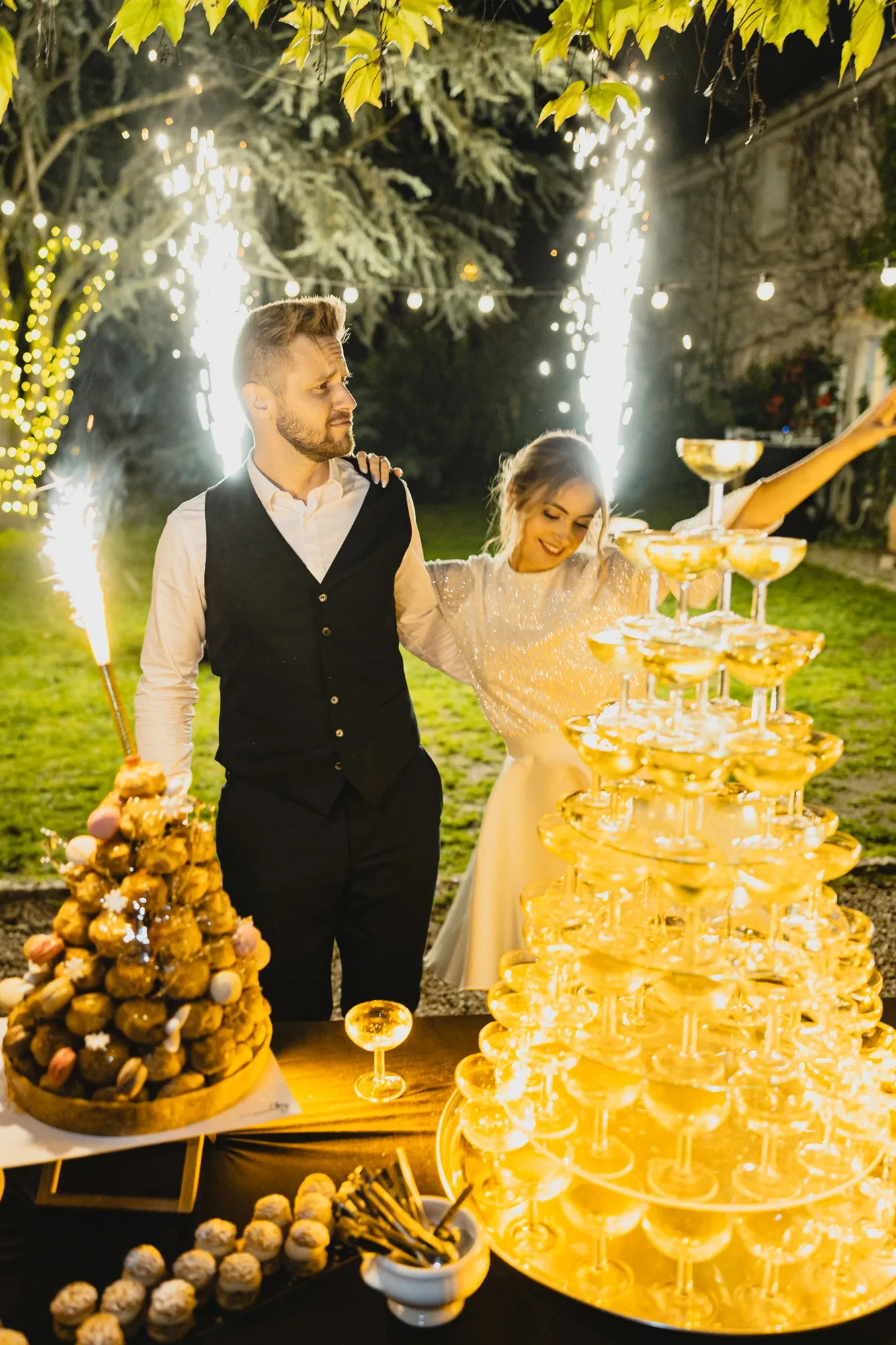
Timing matters as much as styling. We always ask the planner for a short window to capture styled details, such as menus, place cards and ceramic serveware, before guests arrive. Once service begins, the focus shifts to gestures and reactions. The action shots that consistently become portfolio favorites include:
- Parmesan grating over a freshly plated pasta.
- An olive oil pour on bruschetta or burrata.
- A pizza from the oven, held by the pizzaiolo.
- Hands rolling and cutting fresh pasta, with flour still on the board.
- Gelato being scooped or cannoli being filled to order.
- Guests laughing as they discover a regional specialty.
For US planners, these images serve a double purpose. They document a design concept that took months to build, and they provide the detail coverage required for submissions to publications such as Style Me Pretty or features on The Knot.
Our approach as destination wedding photographers is to treat each station like a tablescape: wide establishing frames, mid shots showing composition, and close details highlighting texture and craftsmanship. You can see how we document details across a full celebration in our portfolio.
A planning timeline for caterer, designer and photographer
Six to twelve months ahead, define the Italian culinary style, the number of stations, guest count, dietary needs and venue restrictions, then select your caterer. Three to six months ahead, validate recipes during a tasting session with the caterer, choose materials and serveware, design signage and confirm cooking equipment and power. Use the tasting to photograph sample plates under similar light, which helps everyone visualize the final result.
One to three months ahead, confirm final numbers, allergens and staffing, then share the station layout with the photographer so the shot list includes every design element. For late night stations, wedding planning guides recommend confirming staffing, equipment, cleanup and final menu in writing with both venue and caterer.
Bringing Italian wedding food stations to life
Great Italian wedding buffet ideas are never only about the menu. They succeed when the caterer, the event designer and the photographer work as one team, sharing a clear vision of flavor, flow and aesthetics. When the pasta is fresh, the light is soft and the layout respects both guests and staff, your stations become one of the most memorable chapters of the weekend, in person and in your heirloom album.
If you are planning a celebration in Italy or France and want every design detail documented with care, discover our approach on our wedding photographer page or reach out through our contact page.
FAQ
How many food stations do I need for 100 wedding guests?
Based on The Knot’s guideline of roughly one station per 75 to 100 guests for a cocktail reception, 100 guests can be served by one or two stations. Many couples add more when stations replace a seated dinner or when the menu includes live cooking, so confirm the final number with your caterer.
Should stations be self service or attended?
Self service suits simple formats such as antipasti or individually portioned desserts. Attended service is preferable for pasta, pizza, gelato and any dish requiring temperature control or live preparation.
Are food stations appropriate for a black tie wedding?
Yes. Elegance depends on materials, serveware, signage, lighting, staff attire and consistency with the overall design, not on the service format itself.
What are good Italian wedding food station ideas for outdoor receptions?
Aperitivo bars, bruschetta and crostini, and a pizza station with a wood fired oven adapt well to gardens and terraces, provided the venue allows open flame. Shade, ice displays and frequent refills are essential for cheese, charcuterie and gelato in warm weather.
When should the photographer capture the food stations?
The ideal moment is just before guests arrive, when displays are complete and untouched. A second pass during service captures action shots and guest reactions, which bring the design to life.