Every US planner who cares about managing client expectations destination wedding photos has had this conversation at some point. The wedding was flawless, the design was magazine worthy, and three weeks later the couple emails asking where the rest of the photos are.
Managing client expectations for destination wedding photos is not a soft skill, it is production work, and it starts long before anyone boards a plane to Nice or Florence. The couples you serve are used to American service standards and instant delivery culture, while European venues, light and logistics follow their own rhythm. This guide gives you the language, the touchpoints and the timeline structure to align everyone before the first welcome party cocktail is poured.
Managing Client Expectations Destination Wedding Photos
Reading time: ~11 min
- Why Expectation Gaps Happen on European Weddings
- The Three Realities to Explain Before the Contract Is Signed
- The Pre-Booking Call, Word for Word
- Mapping the Communication Touchpoints
- The Contract Clauses That Protect Everyone
- Time Zones, Language and Availability
- Sneak Peeks and the Delivery Conversation
- When a Client Is Not Happy
- Your Destination Wedding Photography Checklist
- Getting the Weekend Right
- Frequently Asked Questions
Why Expectation Gaps Happen on European Weddings
The gap is rarely about quality. It comes from distance, time zones, unfamiliar locations, weather and cultural differences that complicate communication and logistics, as most destination photography guides point out. Your clients are booking a chateau they have seen in three Instagram carousels and a site visit.
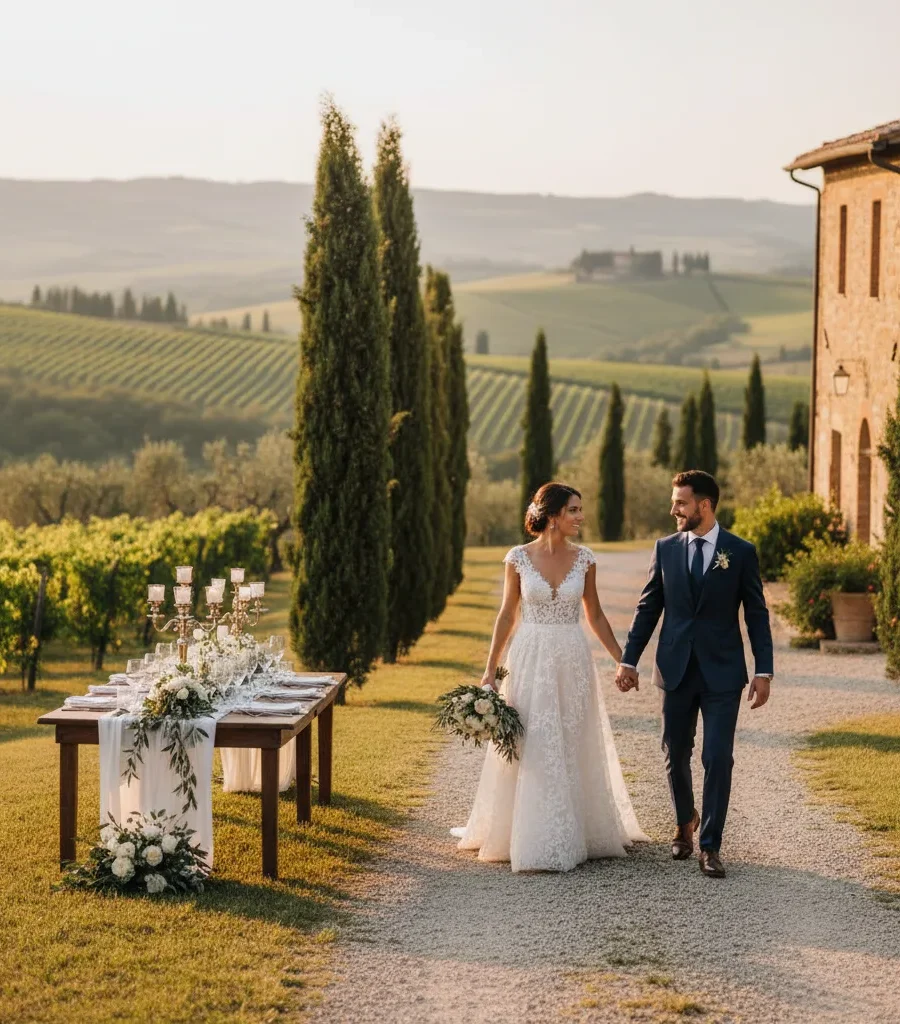
They have built a mental image of their gallery from photographers shooting in Santa Barbara golden hour or Napa vineyards at 7pm in July. The light in Provence in late June behaves differently, a fifteenth century chapel has fixed windows and no additional lighting allowed, and a Lake Como villa may restrict drone use or limit access to certain terraces.
None of this is a problem. It only becomes a problem when nobody says it out loud. The planners who protect their own client satisfaction workflow are the ones who translate these constraints into confident, positive language early, rather than explaining them defensively after the fact. That is also why we build a destination-specific prep guide for every wedding we photograph, covering weather contingency, venue rules, cultural customs and realistic portrait windows.
The Three Realities to Explain Before the Contract Is Signed
First, the Light
European summer evenings in the South of France stay usable far later than most Californian clients expect, which can be an advantage. Interior ceremonies in historic buildings are often darker and more contrasted than the light and airy feed your couple pinned to their mood board.

The honest script sounds like this. Your ceremony chapel is stunning and it is also low light, so those images will be warmer and more intimate than your outdoor portraits. We plan the airy, editorial frames for the golden hour slot after dinner starts.
Second, Historic Venue Constraints
Many chateaux, abbeys and villas are classified monuments. Tripods, flash, drones and access to certain rooms may be limited by the owner or by local regulation. Raising this during the design phase avoids a shot list built around a staircase nobody is allowed to stand on.
Third, Portrait Time
This is the single most common source of friction. A ten minute portrait slot squeezed between the ceremony and the cocktail hour cannot produce forty editorial frames across three locations.
The useful phrasing for a couple is simple. Every fifteen minutes we protect in the timeline translates directly into a specific look in your gallery, so let us decide together which looks matter most to you.
Good to know
European ceremonies often run on a different cadence than American ones, and a civil ceremony at the local town hall may need to be scheduled separately from the symbolic ceremony. Building both into the photography timeline prevents unpleasant surprises on the day.
The Pre-Booking Call, Word for Word
Key questions for the pre-booking call
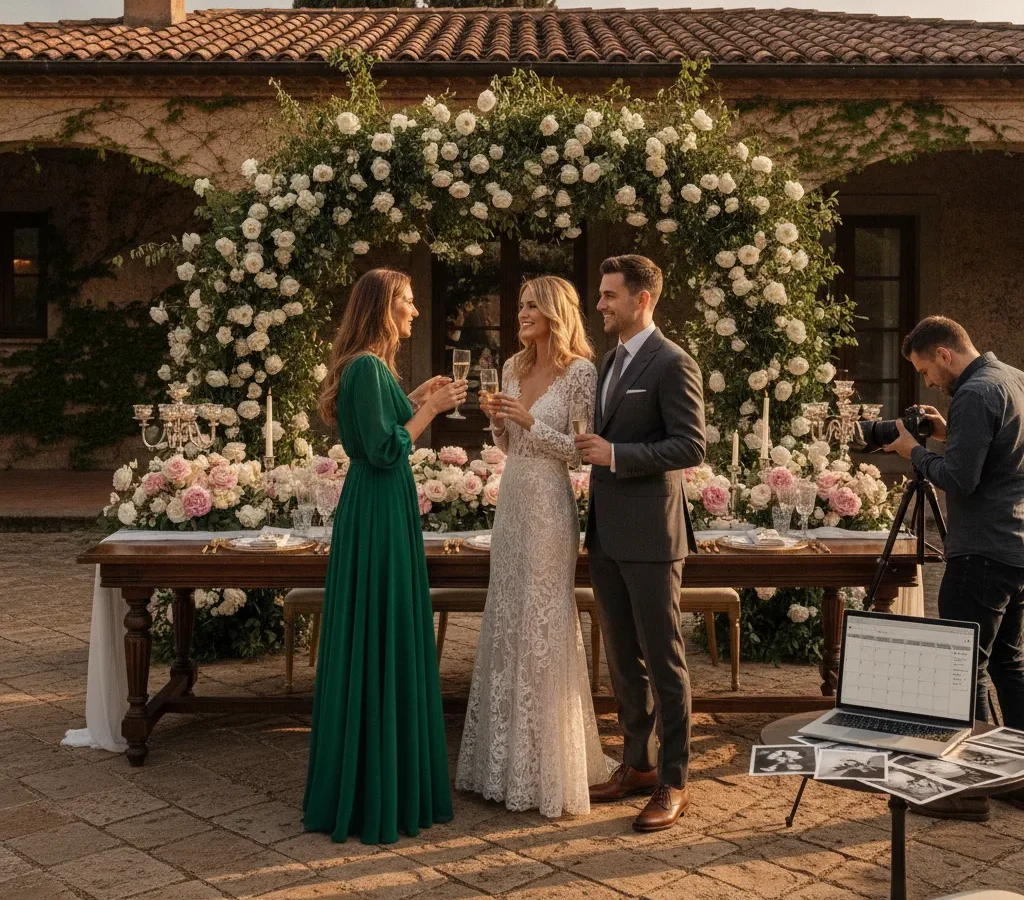
Experienced destination photographers agree that live calls convert better than emailed pricing sheets, because value and expectations can be addressed in real time. The same applies to you as a planner. A virtual consultation with the photographer, the couple and you in the room removes an entire month of email ping pong.
Three questions structure that call. What does the couple want to feel when they open the gallery in ten years. Which cultural customs or family rituals must be prioritised in coverage. Which parts of the weekend matter most, the welcome party, the rehearsal dinner, the wedding day or the farewell brunch. Asking about the couple’s story and the reason they chose this specific location is what allows images to feel aligned with their narrative rather than generic.
This is also the moment to state the scope of deliverables plainly. Approximate image count, editing style, delivery window and what is not included. Industry guidance on client communication recommends being explicit about all four, for example an image count in the range of 400 to 600 fully edited images for a full day of coverage, a delivery window stated in weeks, a defined editing style such as true-to-color or light and airy, and clear limits on heavy retouching. Naming the limits is not a weakness, it is what makes the promise credible.
Mapping the Communication Touchpoints
A simple communication roadmap from inquiry to delivery
A structured sequence of contact points from inquiry to gallery delivery keeps clients informed at every stage and reduces anxiety. For a multi-day European celebration, we work from a fixed map that any planner can adopt with their own vendors.
| Stage | Timing | Deliverable or outcome |
|---|---|---|
| Booking confirmation | Within 24 hours of signature | Contract, invoice, welcome sequence explaining what happens next |
| Client onboarding | Weeks 1 to 2 | Pre-wedding questionnaire, mood board exchange, destination prep guide |
| Design and venue review | 3 to 6 months out | Venue rules, light study, location scouting notes shared with the planner |
| Timeline call | 2 to 4 weeks before | Hour by hour photography timeline across all events |
| Final-details email | 1 week before | Arrival times, group shot list, must-have photos confirmed in writing |
| Sneak peek | 48 to 72 hours after | Curated preview for PR, press submissions and social media |
| Fully edited gallery | Within the contracted delivery window | Complete gallery with usage rights and album consultation |
The timeline call two to four weeks before the wedding and the final-details email one week before are the two touchpoints most often skipped, and they are the two that prevent missed must-have photos. Confirming the group shot list in writing at that stage settles the question of which moments are non negotiable.
The Contract Clauses That Protect Everyone
Written agreements remain the primary tool for expectation management. For a wedding abroad, a destination wedding photography contract should go further than a domestic one.
Travel and lodging, per diem, insurance, backup equipment and backup photographer provisions, media usage rights, payment schedule, cancellation clause and, critically, a stated delivery date window all belong in the document. The delivery window is the clause that prevents the third week phone call.
Add two more things that matter for luxury production. A crisis management plan covering weather contingency, transport strikes or venue changes, and a re-editing request policy that defines how many rounds are included and on what grounds. Setting realistic expectations alongside a documented crisis plan reduces the risk of conflict when something unforeseen affects the final images.
Time Zones, Language and Availability
Managing time zones, language and response times
A California based couple and a photographer based in France live nine hours apart. Written confirmation of the time zone for every call, ideally using standard time zone naming rather than informal abbreviations, avoids the classic missed meeting. A shared calendar link that only offers overlapping windows solves most of it. The IANA Time Zone Database is what most scheduling tools rely on behind the scenes, which is why booking through a CRM is more reliable than negotiating slots by email.
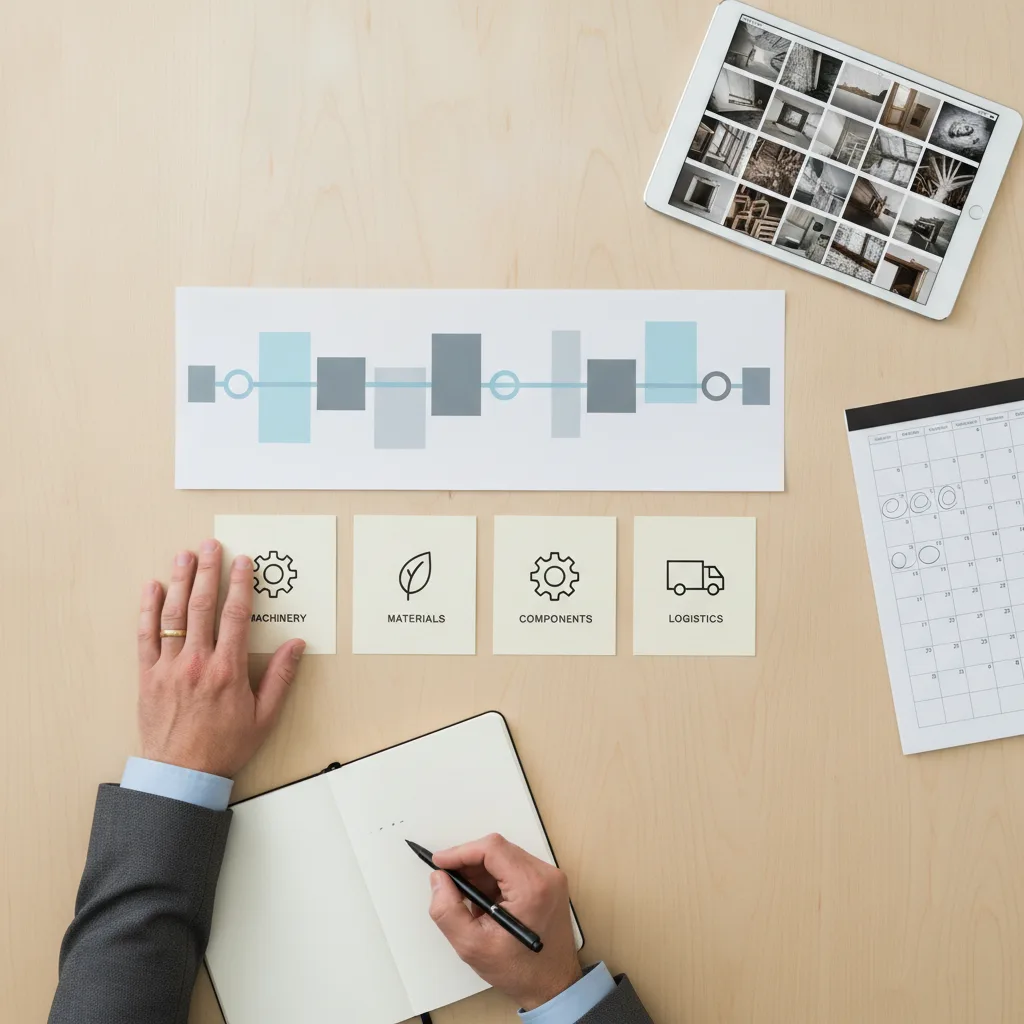
Telling clients from the start which channel is preferred and what your working hours are prevents them from expecting round the clock responses. Our own rule is simple. Email is the record, calls are scheduled, and during a wedding weekend the planner is the single point of contact.
Platforms such as ShootProof for galleries, Narrative for studio workflow and editorial resources like B&H Photo Explora or AfterShoot’s destination guides are useful references when you want to show a couple that these standards are industry wide rather than personal preference.
Important
Never promise a delivery date you have not confirmed with your photographer for that specific season. August and September are the densest months for European weddings, and an honest window stated in advance is always better than an optimistic one revised later.
Sneak Peeks and the Delivery Conversation
Using sneak peeks to set the tone for delivery
Many couples assume that a wedding abroad automatically means a slower gallery. A curated sneak peek delivered within 48 to 72 hours reframes that entirely and gives your studio something to publish while the celebration is still being talked about. For planners submitting to prestigious editorial outlets, that preview also covers tablescapes, floral installations, ceremony structures and architecture, the design elements you spent a year conceptualising.
A common practice across the industry is a full delivery window in the range of six to eight weeks after the wedding for a fully edited gallery, communicated at booking and repeated in the post-wedding thank you message. The point is not the exact number, it is that the number exists, appears in the contract and is never discovered by the client after the fact. You can see how this translates visually across full weekends in our portfolio and in the approach we describe.
When a Client Is Not Happy
It happens, and the response matters more than the cause. Guidance on client communication is consistent. Respond promptly, listen without defensiveness, acknowledge the feeling before discussing the facts, then offer concrete options such as additional editing, a re-edit of specific frames or a portrait session at a later date. Owning a mistake openly repairs far more trust than justifying it.
In practice, most dissatisfaction traces back to an expectation that was never stated. A couple who wanted more black and white frames, more candid dancing images or more coverage of the farewell brunch rarely said so out loud. That is precisely why the pre-wedding questionnaire and the final-details email exist.
| Symptom | Likely cause | Prevention |
|---|---|---|
| Couple asks where the rest of the photos are, weeks after the wedding | No delivery date window stated in the contract | State and confirm a delivery window at booking and again after the wedding |
| Couple wanted more black and white or candid dancing images | Preference never stated out loud | Cover it in the pre-wedding questionnaire and final-details email |
| A must-have group photo is missing from the gallery | Timeline call or final-details email was skipped | Confirm the group shot list in writing one week before the wedding |
| Couple expected more coverage of the farewell brunch | Weekend priorities were not discussed at booking | Ask directly which parts of the weekend matter most during the pre-booking call |
Your Destination Wedding Photography Checklist
Before every European wedding we produce, this short list is validated with the planner.
- Contract signed with delivery window, usage rights, travel terms, cancellation clause and crisis plan
- Pre-wedding questionnaire, mood board and must-have photos collected and acknowledged in writing
- Venue rules confirmed for flash, drone, access and historic restrictions
- Hour by hour timeline validated across all events, with protected portrait windows
- Sneak peek date and full gallery delivery window restated one week before the wedding
Getting the Weekend Right
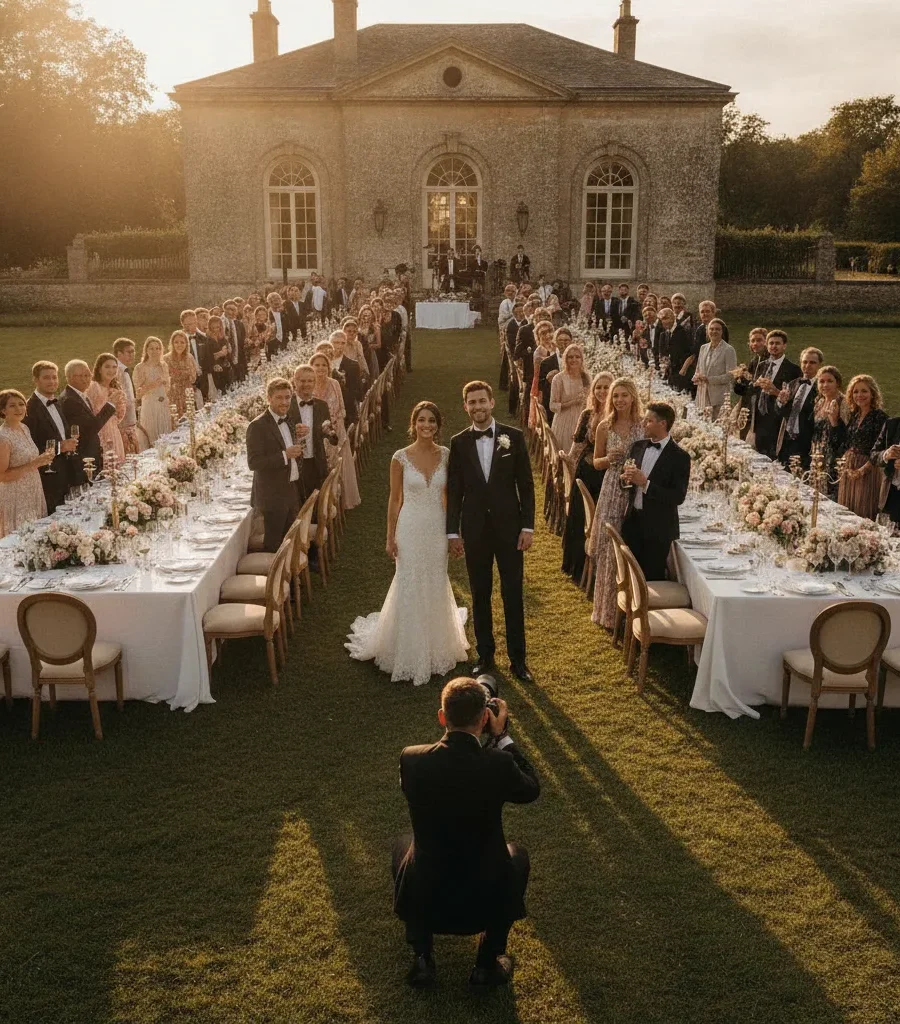
Managing expectations is ultimately what allows a photographer to disappear into the weekend. When the couple knows what is coming, when the planner knows the timeline is respected and when the deliverables are defined, everyone can focus on the celebration itself, the bride getting ready in front of a gilded mirror, the ceremony arch built under the trees, the first guest who starts dancing in a red velvet dress.
That is the work. The rest is preparation. If you are building a vendor team for a French or Italian celebration in 2026, we would be glad to talk it through, or you can explore examples of a classified monument venue in our chateau wedding coverage.
Frequently Asked Questions
Should the photographer be included in the planner’s vendor meals and travel block?
Yes, and it should be written into the contract. Multi-day coverage across a welcome party, rehearsal dinner, wedding day and farewell brunch requires stamina, and lodging within reasonable distance of the venue protects early morning and late night coverage.
How many hours of coverage does a multi-day European wedding usually require?
It depends on the programme, but each event needs its own coverage block rather than a single total. Defining hours per segment, stated in hours and minutes, is far clearer for international clients than one global figure.
Can couples share sneak peek images before the full gallery arrives?
That depends on the usage rights clause. Most studios allow personal social sharing with credit, while press and editorial submissions are coordinated with the planner so the story is published in a single, consistent release.
What happens to the photography timeline if the weather changes?
A weather contingency plan should be agreed during the timeline call, including an indoor portrait location and an alternative golden hour slot. Historic venues often have remarkable interiors that work beautifully when a garden session is not possible.
When should couples order their fine art album?
Usually after the full gallery is delivered, once favourites are selected. Handcrafted albums made in France involve artisan production time, so ordering early in the off season generally gives the most comfortable schedule.