Choosing between film vs digital wedding photography shapes the mood, texture, and longevity of your wedding images, and this page explores how each option influences the way your story is told.
Film vs Digital Wedding Photography
Introduction
When couples begin researching film vs digital wedding photography, they often encounter a flood of conflicting advice, technical jargon, and highly subjective opinions. The question feels deceptively simple, yet the answer shapes the entire visual legacy of one of the most significant days of your life. At Lino Ludovic, we believe the choice between analog and digital is not merely technical. It is deeply personal, aesthetic, and rooted in how you want to feel when you look back at your images decades from now. This guide is designed to help you understand both approaches clearly, so you can make a confident, informed decision.
The Soul of Film: Why We Offer Analog Photography for Your Wedding
Temps de lecture : ~9 min
Contents
- Film vs Digital Wedding Photography: Understanding the Fundamental Difference
- The Timeless Appeal of Analog: What Film Actually Delivers
- What Digital Photography Brings to a Wedding Day
- The Hybrid Approach: Where Craft Meets Practicality
- Comparing Film and Digital for Your Wedding: A Practical Overview
- How to Choose the Right Approach for Your Wedding
- Our Philosophy at Lino Ludovic: Analog as an Artistic Choice, Not a Trend
- Why Analog Photography Remains a Meaningful Choice for Weddings
Film vs Digital Wedding Photography: Understanding the Fundamental Difference
How film captures your wedding day
At its core, the distinction comes down to how light is captured and what it produces.
Film photography uses physical rolls of light-sensitive material that must be developed in a professional laboratory and scanned before any editing can begin. The process is deliberate, slower, and entirely irreversible. There is no histogram to check, no instant review on the back of the camera. Every frame is a committed artistic decision. Medium format film cameras, such as those from Contax or Mamiya, are widely favored among high-end wedding photographers for their exceptional image quality and generous exposure latitude.
How digital records each moment
Digital photography, by contrast, uses an electronic sensor to capture and store images immediately. The photographer can verify each shot in real time, adjust settings on the fly, and shoot in rapid succession. Modern digital cameras are extraordinarily versatile, performing reliably in low light, dark interiors, and fast-moving reception moments.
These are not competing technologies so much as two distinct artistic philosophies. Understanding what each produces visually, logistically, and emotionally is the foundation of a smart choice.
The Timeless Appeal of Analog: What Film Actually Delivers
The signature look of analog wedding photography
Film has experienced a quiet but unmistakable renaissance in fine art wedding photography, and for good reason. The aesthetic it produces is genuinely difficult to replicate through digital editing alone.
When shot on medium format film, wedding images tend to carry a quality that photographers and art directors describe as romantically nostalgic. Skin tones are rendered with a warmth and softness that feels organic rather than processed. Highlights glow rather than blow out. Shadows retain depth without becoming muddy. The subtle grain adds texture that gives images a sense of depth and permanence, reminiscent of the great editorial photography of past decades. Many photographers attempt to recreate this look through digital presets, but seasoned professionals consistently note that the color science of film, particularly its rendering of skin, remains genuinely difficult to replicate in post-production.
For couples drawn to an editorial aesthetic, think the pages of Vogue Weddings or the portfolios of the finest destination wedding photographers working in France and Italy, film is often the medium that naturally produces that look. It rewards beautiful light, considered composition, and unhurried moments. A golden hour portrait session at a French chateau or an intimate detail shot of a Tuscan villa table setting photographed on film carries a visual weight that feels like a painting rather than a snapshot.
Practical considerations when choosing film
There are, of course, practical considerations worth understanding. A standard 120 format roll yields only fifteen to sixteen frames, which means every exposure matters. The workflow is inherently slower: rolls must be transported to a trusted laboratory, developed, and scanned before editing can begin, which adds time to the overall delivery process. Film also performs best in soft, natural, outdoor light. In darker environments such as candlelit reception halls or late-night dance floors, it becomes technically more demanding and requires significant experience to execute well.
What Digital Photography Brings to a Wedding Day
The strengths of digital wedding photography
Digital wedding photography is the dominant professional standard for very practical reasons. It is extraordinarily adaptable across the full range of conditions that a wedding day presents.
From the quiet morning preparations in a dimly lit hotel suite to the energy of a reception under low-hanging chandeliers, digital cameras handle transitions in light with a fluidity that film simply cannot match. They allow the photographer to capture rapid sequences of movement, whether it is the first kiss, the confetti exit, or the spontaneous laughter between toasts, without the constraint of a finite number of frames per roll. The result is typically a larger final gallery with a wide variety of moments and angles, which many couples find deeply reassuring.
Speed and flexibility for modern celebrations
Digital also enables a faster workflow. Files are immediately available after the wedding, allowing for quick delivery of preview images, which wedding planners and event designers often rely upon for timely social media and press submissions. For B2B collaborators coordinating complex multi-day celebrations, this responsiveness is a meaningful operational advantage.
The visual range of digital is equally broad. Whether a couple wants a moody, high-contrast documentary style or a bright, airy editorial look, digital post-production can be shaped to serve almost any aesthetic direction with precision.
The Hybrid Approach: Where Craft Meets Practicality
Blending film and digital on your wedding day
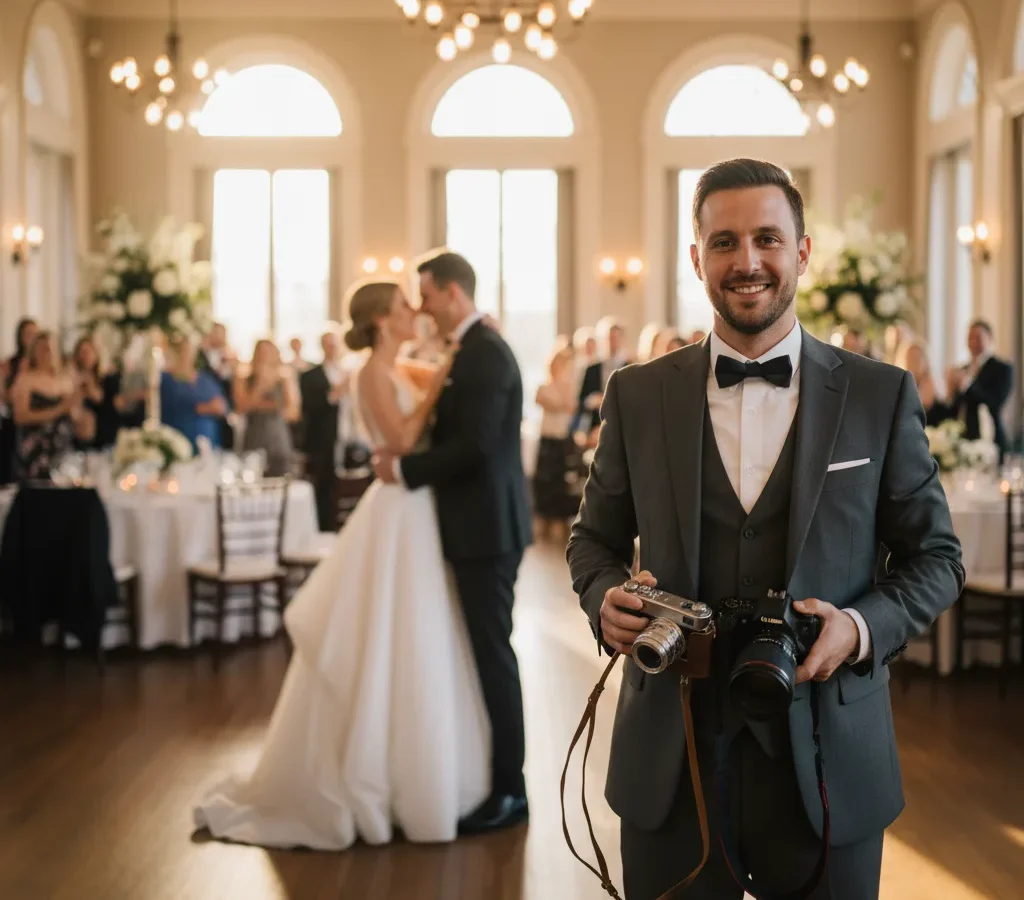
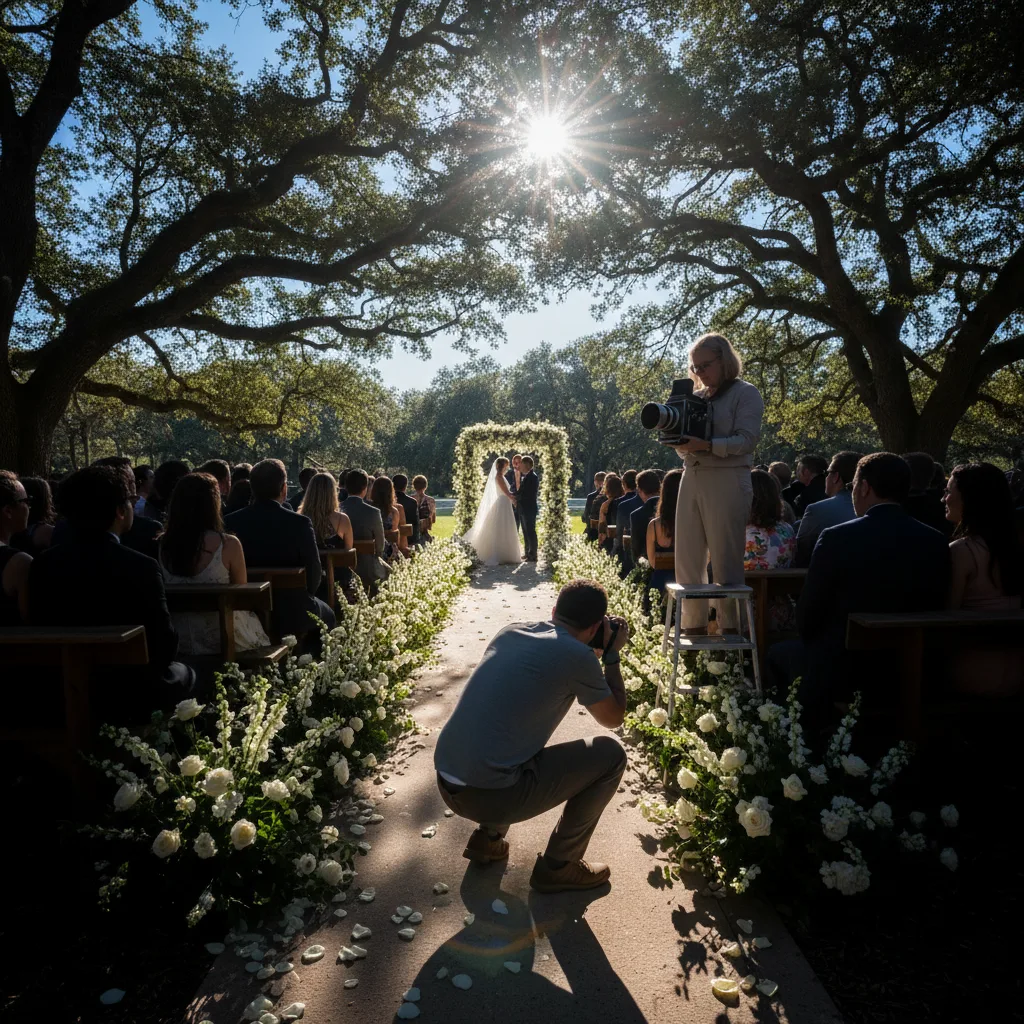
The most thoughtful photographers working at the highest level today do not frame this as a binary choice. A hybrid approach, using both film and digital within the same wedding, has become the preferred methodology among fine art destination wedding photographers precisely because it draws on the strengths of each medium while compensating for their respective limitations.
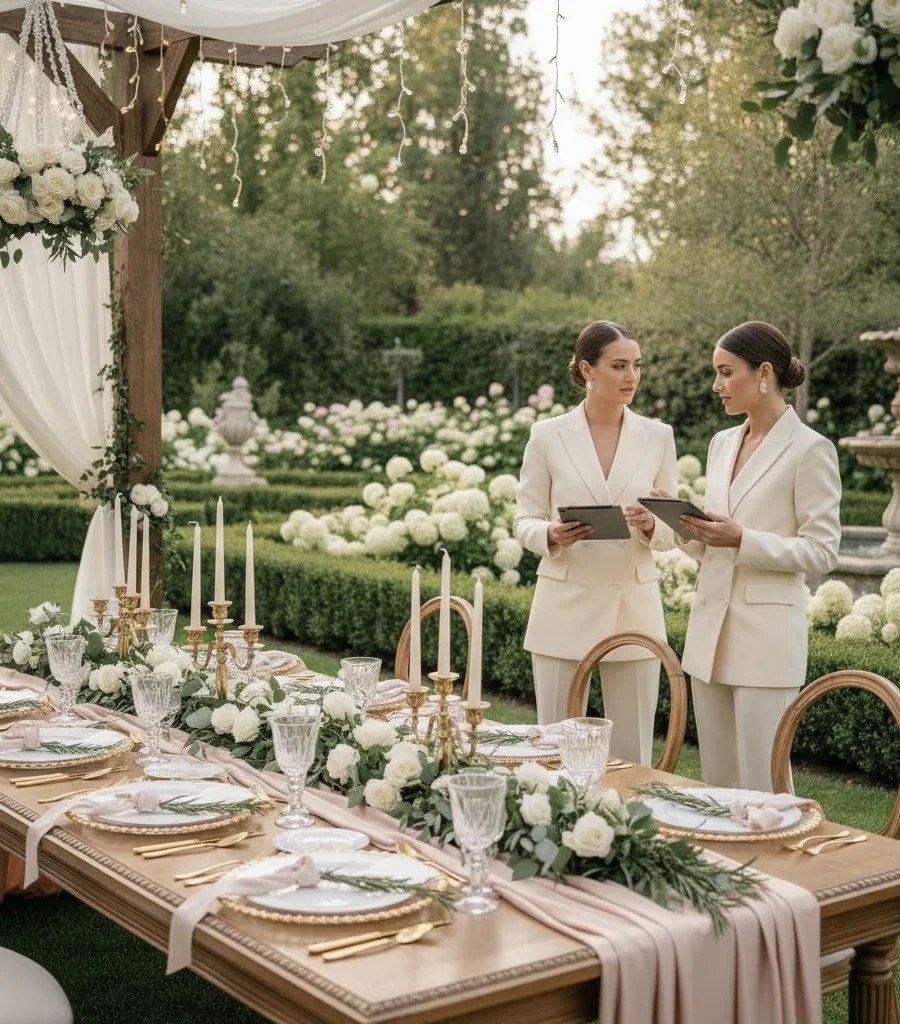
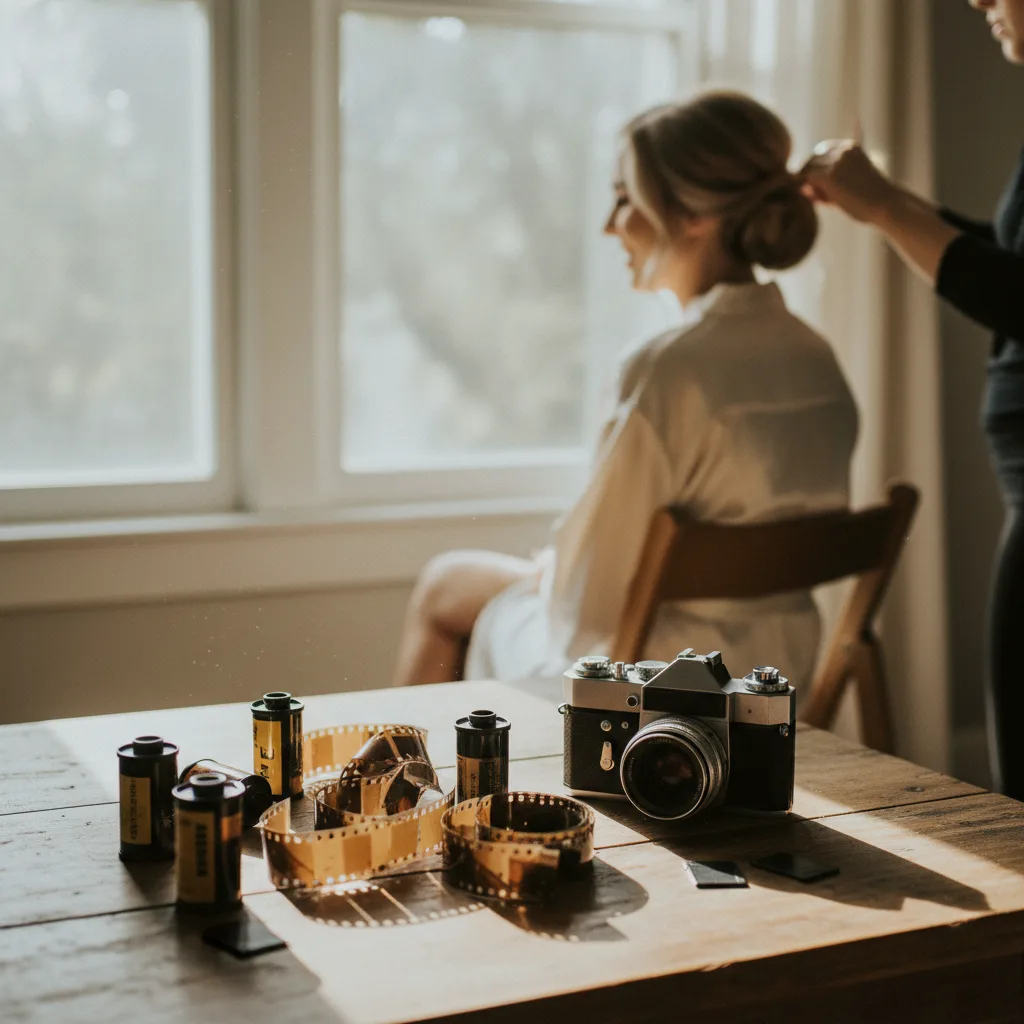
In practice, this typically means reaching for the film camera during the moments that reward its particular beauty: the getting-ready portraits in warm window light, the couple session during golden hour, the ceremony details, the floral installations, the tablescape before guests arrive. Digital then takes precedence when conditions demand its versatility: the ceremony itself with its unpredictable pace, the reception, the dancing, and any moments that unfold in challenging light.
The result is a gallery that feels cohesive yet richly textured, where the analog frames carry an almost painterly quality and the digital images ensure complete, reliable coverage of every chapter of the day.
If you are curious about how a hybrid approach could serve your specific venue, light conditions, and aesthetic vision, we would be glad to discuss it during an initial consultation at Lino Ludovic.
Comparing Film and Digital for Your Wedding: A Practical Overview
At-a-glance comparison of film, digital, and hybrid
| Criteria | Film | Digital | Hybrid |
|---|---|---|---|
| Visual aesthetic | Romantic, organic, fine art grain | Sharp, adaptable, highly editable | Best of both worlds |
| Performance in low light | Limited, requires experience | Excellent | Optimized per situation |
| Number of images | Fewer, highly curated | More varied coverage | Balanced |
| Delivery timeline | Longer (lab processing required) | Faster previews available | Staggered delivery |
| Investment level | Higher (lab, scanning, film costs) | Lower per image | Moderate to high |
| Risk management | Requires trusted lab and process | Dual card slots, immediate backup | Mitigated across both |
How to Choose the Right Approach for Your Wedding
Aligning your vision with the right medium
The decision ultimately rests on a combination of your aesthetic preferences, your venue, the timing of your ceremony, and what you want your images to feel like in twenty years.
Couples who are drawn to a luminous, editorial, fine art look and who are celebrating at a sun-drenched chateau in Provence, a Tuscan villa in the late afternoon, or along the French Riviera at golden hour will find that film, or a hybrid approach anchored in film, aligns beautifully with their vision. The medium thrives in exactly the kind of environments these destination weddings inhabit.
Couples whose celebration includes a significant evening component, a dramatic indoor ceremony in a baroque chapel with limited natural light, or a multi-day program spanning a welcome dinner at dusk and a farewell brunch the following morning, will benefit from the reliability and flexibility that digital or a hybrid approach provides.
Key questions to ask your photographer
A few questions worth asking any photographer you consider:
- What percentage of my wedding will be photographed on film, and which specific moments?
- How do you handle low-light situations during the reception?
- What are the additional costs associated with film rolls, lab development, and scanning?
- What is the expected delivery timeline for film images versus digital images?
- How do you manage backup and risk mitigation for analog rolls?
The answers will tell you a great deal not only about a photographer’s technical approach, but about their experience, their professionalism, and their ability to serve as a genuine partner throughout your celebration.
Our Philosophy at Lino Ludovic: Analog as an Artistic Choice, Not a Trend
A craft-first approach to analog wedding photography
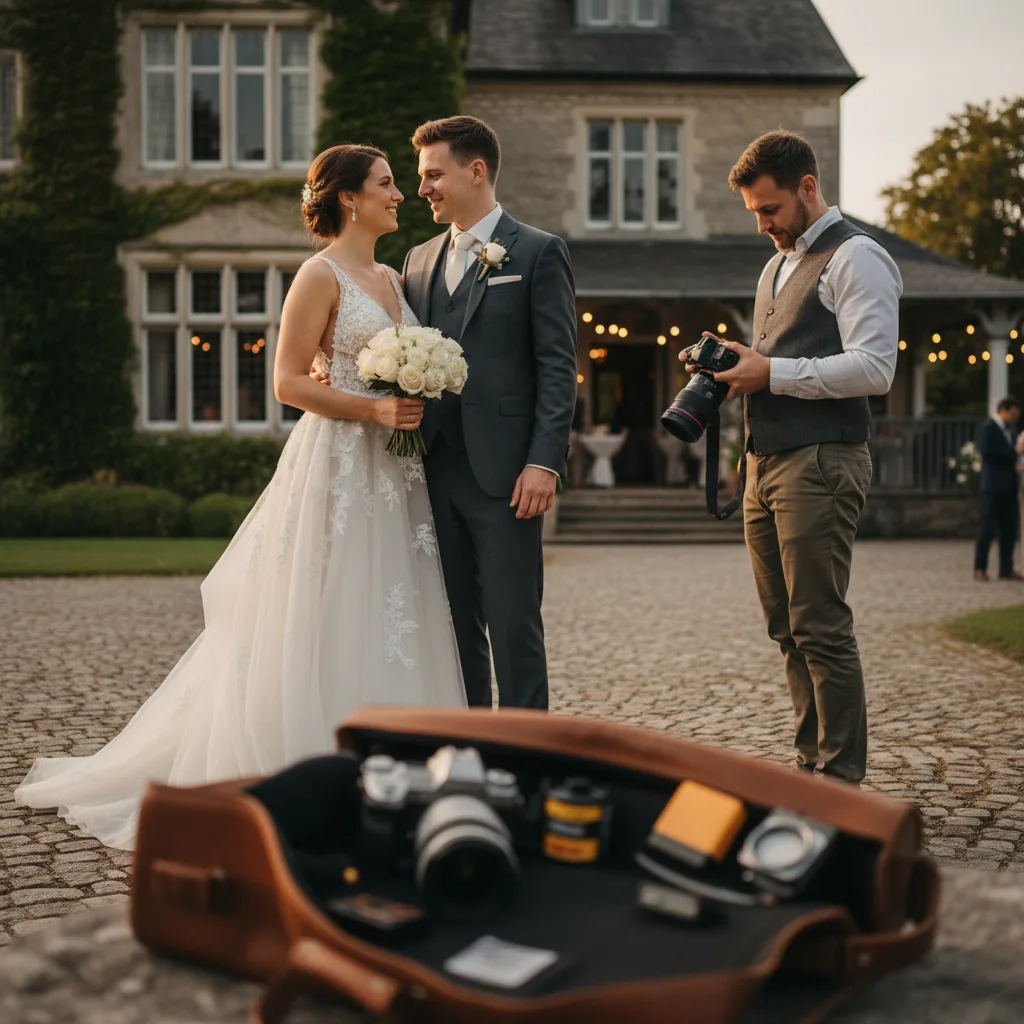
Offering analog photography is not a marketing decision. It is a commitment to a certain quality of image and a certain quality of experience. Working with film demands discipline, deep technical knowledge, and an unwavering eye, because there is no safety net of unlimited frames and no ability to correct an exposure error after the fact. It requires the kind of mastery that only comes from years of practice across the specific light conditions of European destination weddings.
For discerning couples planning their celebration in France or Italy, and for the US-based wedding planners and event designers who orchestrate these complex, multi-day events, the choice of a photographer who works with analog is often a signal of a broader commitment to craft. It speaks to an understanding that the most meaningful images are not necessarily the most numerous ones, but the ones that carry genuine feeling, refined composition, and a visual quality that holds up not just on a screen today, but in a fine art heirloom album for generations.
Whether your wedding calls for a purely digital approach, a film-forward hybrid, or a carefully curated analog session during your couple portraits, the most important factor is alignment between your vision and your photographer’s artistic sensibility. That conversation begins long before the wedding day itself.
Why Analog Photography Remains a Meaningful Choice for Weddings
A medium chosen for feeling and longevity
At its best, analog photography is not about nostalgia for its own sake. It is about choosing a medium that creates images with warmth, depth, and permanence, while still allowing a wedding gallery to feel intentional and refined. For couples who value that feeling, film remains more than a trend: it is a craft-driven, artistic choice that can shape how a wedding is remembered for generations.
FAQ
Is film or digital better for my wedding photography?
Neither film nor digital is objectively better; each medium brings distinct strengths to your wedding photography. Film offers a romantically nostalgic, fine art aesthetic with luminous skin tones and a painterly quality, while digital provides versatility, speed, and extensive coverage in all lighting conditions. The right choice depends on your venue, timeline, and how you want your images to feel years from now.
What is a hybrid film and digital wedding photography approach?
A hybrid approach blends film and digital throughout your wedding day to leverage the advantages of both. Film is typically reserved for moments that reward its beauty, such as portraits in soft natural light, ceremony details, and editorial-style scenes, while digital covers fast-paced events and challenging lighting like indoor ceremonies and receptions. This ensures both artistic depth and reliable, comprehensive coverage.
Does film wedding photography affect how quickly we receive our images?
Film wedding photography involves an additional laboratory process, including development and scanning, before editing can begin. This naturally adds time to the overall delivery timeline compared with purely digital coverage, where files are available immediately after the wedding and previews can be shared more quickly.
Is analog wedding photography just a trend?
Analog wedding photography is treated here as an artistic commitment rather than a passing trend. It reflects a dedication to craft, intentional image-making, and a visual quality designed to endure in fine art prints and albums, complementing or coexisting with digital photography rather than replacing it.
Closing Thoughts on Film vs Digital Wedding Photography
Choosing between film vs digital wedding photography is ultimately about aligning your aesthetic preferences, your venue and light conditions, and your expectations for coverage with the strengths of each medium. Film offers a timeless, romantic visual language, digital ensures flexibility and speed, and a hybrid approach thoughtfully combines both to honour every chapter of your celebration.
By understanding what film, digital, and hybrid workflows each bring to a wedding day, you can approach your photographer conversations with clarity and confidence, and ensure that the way your story is documented truly reflects the experience you want to remember for a lifetime.