Planning family photos during a multi-day wedding requires a different strategy than a traditional single-day celebration, because each event through the weekend offers unique opportunities to bring your loved ones together in front of the camera.
Introduction
When your celebration stretches across a welcome dinner, a rehearsal, the ceremony itself, and a farewell brunch, managing family photos during a multi-day wedding becomes one of the most underestimated logistical challenges you will face. Guests arrive from different time zones, energy levels fluctuate, and the last thing anyone wants is to spend forty minutes standing in rigid lines while the light fades behind a French château. The good news is that a multi-day format actually gives you more opportunities to capture every meaningful family portrait, provided you plan with intention. This guide walks you through a clear, step-by-step approach to organizing group portraits across your entire wedding weekend so that nothing feels rushed and no one gets left out.
A Stress-Free Guide to family photos during a multi-day wedding
Temps de lecture : ~8 min
- Why a multi-day celebration changes the family photo equation
- Step one: separate must-have portraits from flexible moments
- Step two: build a day-by-day shot list
- Step three: allocate realistic time for each grouping
- Step four: communicate the plan clearly to family and vendors
- Do’s and don’ts for organizing wedding family portraits across a weekend
- How a photographer experienced in multi-day coverage makes the difference
- FAQ
- Making every family portrait feel effortless
Why a multi-day celebration changes the family photo equation
More opportunities for meaningful portraits across the weekend
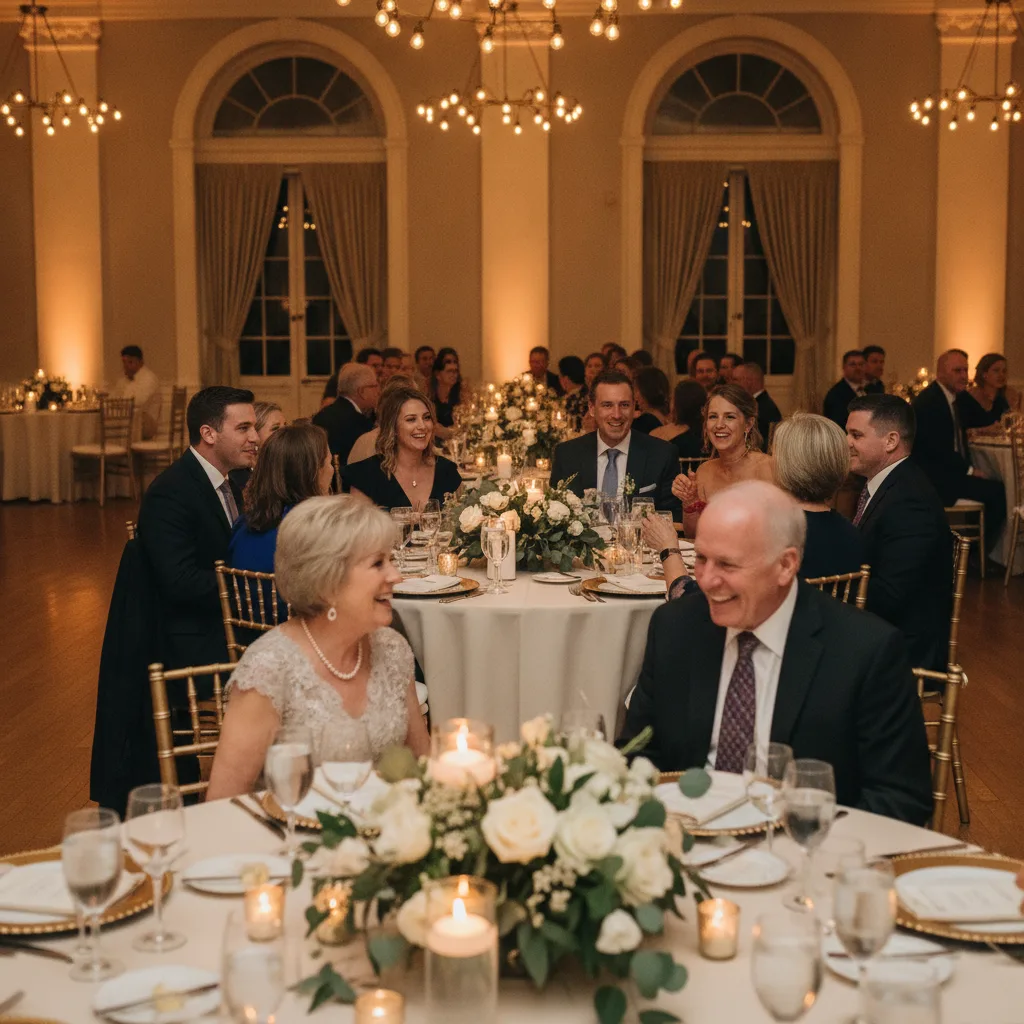
A single-day wedding forces every formal portrait into one narrow window, usually the thirty minutes between the ceremony and cocktail hour. That pressure multiplies when you factor in large, international guest lists and complex family dynamics. A destination wedding weekend in Europe, by contrast, offers three or four distinct gatherings where different types of family images can be captured organically. The welcome party might be the perfect setting for relaxed, candid clusters of extended relatives. The ceremony day can be reserved for the essential formal portraits. And the farewell brunch provides a quiet, intimate moment to photograph grandparents or elderly family members who may have been too tired the evening before. The key is to stop thinking of family photos as a single event and start treating them as a thread woven through the entire weekend.
Step one: separate must-have portraits from flexible moments
Clarify your non-negotiable family portraits
Before you draft any shot list, sit down and identify the photographs you would be genuinely disappointed not to have. Think about the images that will hang on your wall, fill your heirloom album, or be treasured by your parents for decades. These are your non-negotiable portraits: the couple with each set of parents, with grandparents, with siblings and their families. Everything else, the fun cousin group, the college friends, the extended family panorama, falls into a secondary category that can be captured more casually across the weekend.
A practical test recommended by experienced photographers is simple: if a particular grouping will not end up in an album, on a wall, or shared publicly, it probably does not need a formal portrait session. It can be documented as a candid moment during cocktail hour or at the welcome dinner instead. This distinction is the single most effective way to reduce stress on your ceremony day while still ensuring comprehensive family coverage over multiple days.
Step two: build a day-by-day shot list
Create a mini shot list for each wedding event
A structured shot list is the backbone of smooth family photo coordination across a wedding weekend. Rather than creating one long document, we recommend building a separate mini-list for each event.
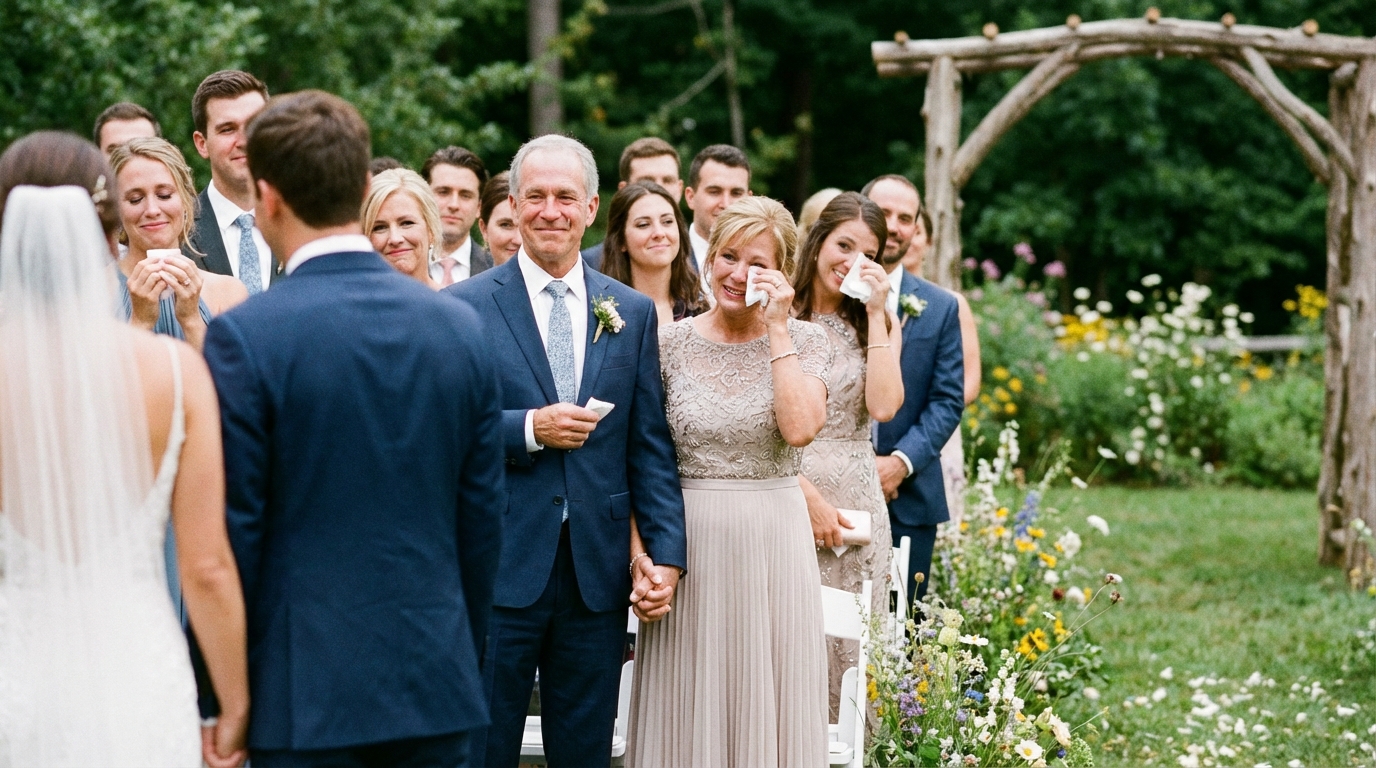
For the welcome dinner, keep things loose. No formal groupings are necessary. Your photographer can move through the gathering and capture natural interactions: families greeting each other, grandparents meeting the groom’s side for the first time, cousins reuniting after years apart. These candid images often become the most emotionally resonant photographs in your final gallery.
For the ceremony day, your formal shot list should be focused and efficient. List each combination you need (couple with bride’s parents, couple with groom’s siblings, and so on) and write the full name of every person in parentheses next to each grouping. This eliminates confusion when your photographer or coordinator calls out the next arrangement. Order the list from the largest groups to the smallest, beginning with grandparents and anyone who may need to sit down soon, then moving through extended family, and finishing with immediate family. This way, those who tire easily can be released first.
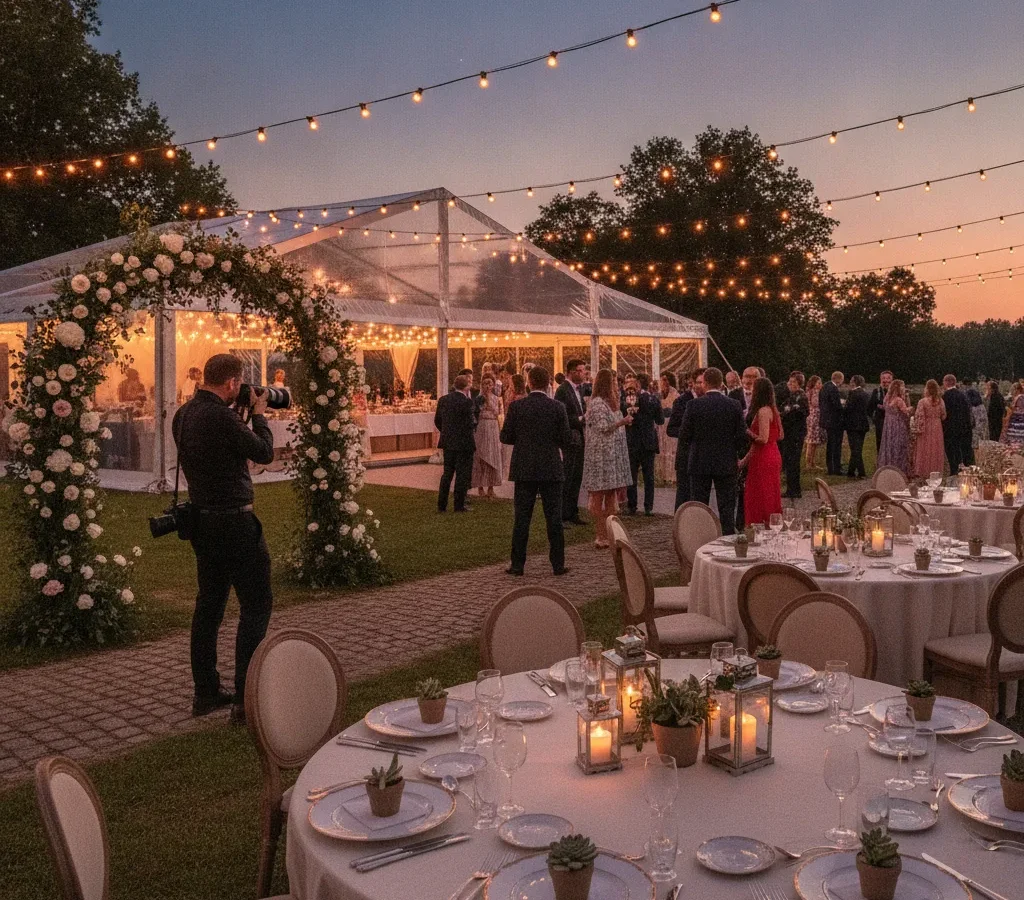
For the reception or a day-after brunch, schedule any remaining extended family or friend group photos. This is also an ideal moment for intimate, unscripted portraits with older relatives in soft morning light.
Step three: allocate realistic time for each grouping
Estimate timing for each family photo grouping
One of the most common mistakes couples make is underestimating how long family portraits actually take. A grouping of six people or fewer typically requires about three minutes to gather, arrange, and photograph. Larger groups of fifteen to twenty people can take five to seven minutes. Multiply the number of groupings on your formal list by roughly four minutes each, and you will have a realistic time estimate.
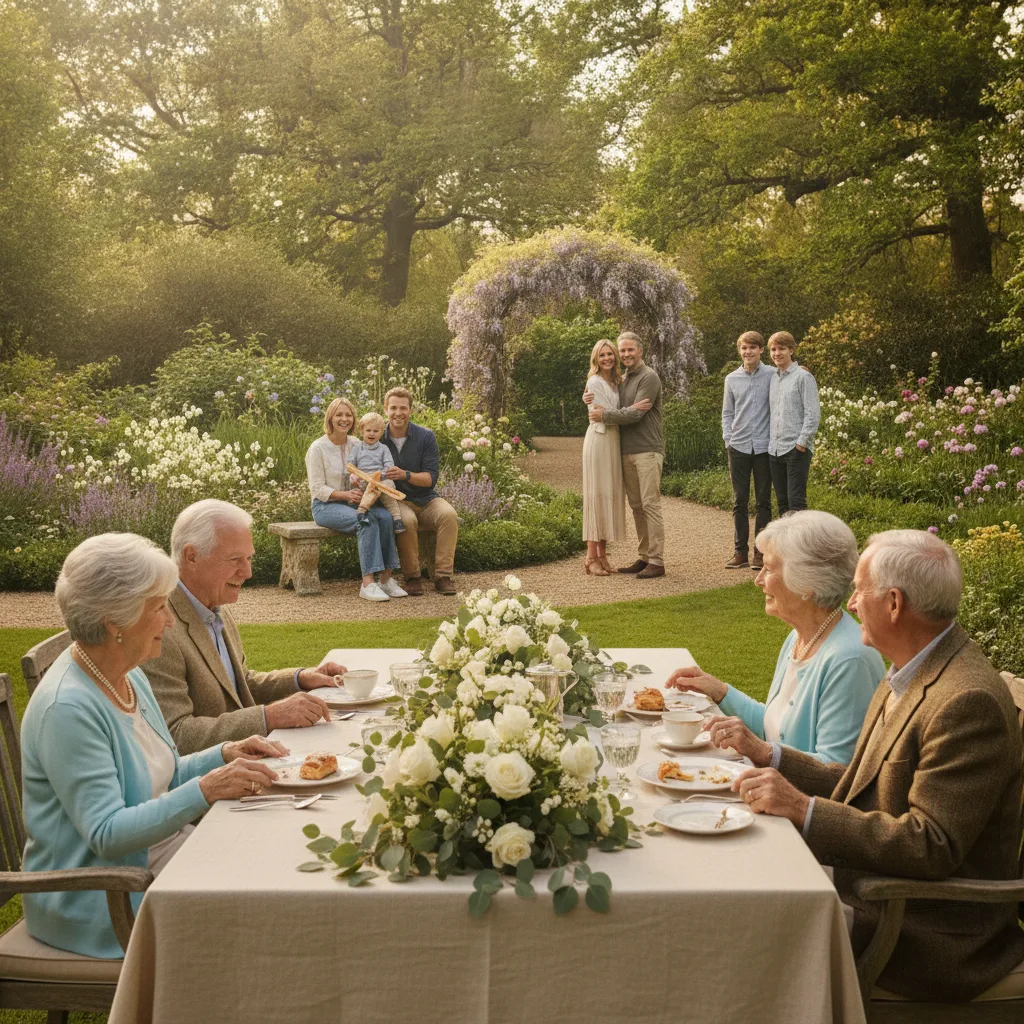
Most photographers recommend reserving at least thirty minutes exclusively for family portraits on the ceremony day, separate from bridal party photos. By distributing extended family and friend groups across other days of the weekend, you can often reduce that window to twenty minutes of focused, immediate-family portraits, giving you more time to enjoy cocktail hour with your guests.
| Wedding event | Photo style | Suggested time |
|---|---|---|
| Welcome dinner | Candid family clusters | No dedicated time needed |
| Ceremony day (post-ceremony) | Formal immediate family portraits | 20 to 30 minutes |
| Reception or cocktail hour | Extended family and friend groups | 10 to 15 minutes (woven into the flow) |
| Farewell brunch | Intimate, relaxed family portraits | 10 minutes |
Step four: communicate the plan clearly to family and vendors
Clear communication is the difference between a smooth portrait session and a chaotic one. Start by sharing your finalized shot list with your photographer at least one month before the wedding. Then distribute a simplified version to the family members who appear in each grouping. They need to know which day and at what approximate time they will be called for photos.
On the ceremony day itself, ask your officiant to make a brief announcement at the end of the ceremony, letting family members know they should remain nearby for portraits. You can also include a note in your welcome dinner program or weekend itinerary: « Formal family portraits will take place immediately following the ceremony. Please stay close to the couple. »
One of the most effective strategies is to designate a family wrangler. This is a trusted relative or a member of your planning team who knows every person on the shot list by name and can gather them efficiently while your photographer stays focused on lighting and composition. In a multi-day destination wedding, where guests may be exploring the grounds or relaxing in different areas of the venue, having someone dedicated to this role is invaluable.
Do’s and don’ts for organizing wedding family portraits across a weekend
Best practices and common pitfalls to avoid
Do: Prioritize formal portraits with immediate family on the ceremony day and spread extended family coverage across other events. Write full names next to every grouping on your shot list to avoid confusion. Dismiss family members as soon as their set of photos is complete so the portrait area stays uncluttered. Plan backup locations for family photos at each venue in case of weather changes. Brief your photographer on any sensitive family dynamics (divorced parents, estranged relatives) well in advance.
Do not: Try to photograph every possible family combination in one session on one day. Skip communicating the plan to your family members ahead of time. Assume extended family groups will naturally gather at the right moment without coordination. Overlook the farewell brunch as a beautiful opportunity for relaxed, meaningful portraits with close family.
How a photographer experienced in multi-day coverage makes the difference
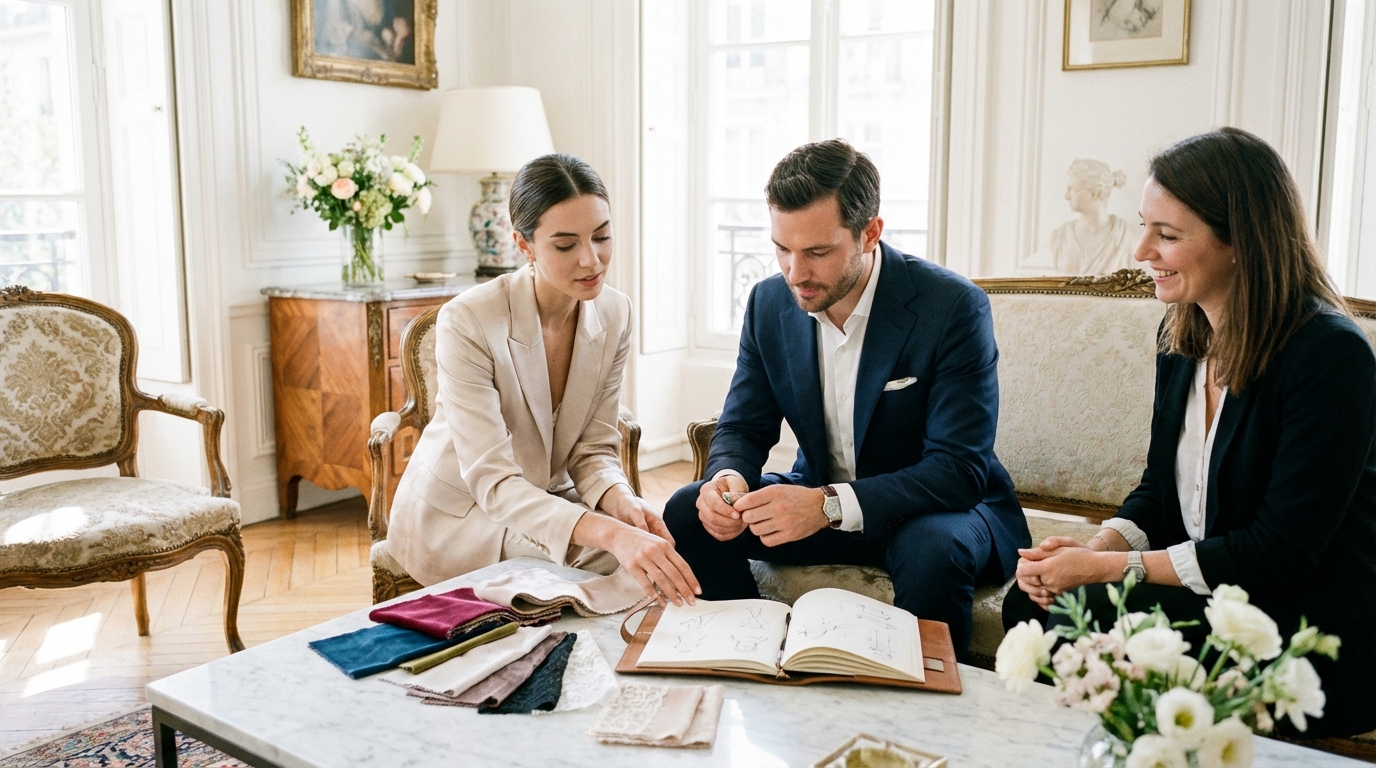
Working with a photographer who understands the rhythm of a multi-day celebration transforms the entire family photo experience. An experienced professional will send you a pre-wedding questionnaire one to two months before the event to collect family details, identify key relationships, and build a realistic shot list tailored to your specific timeline. They will coordinate with your wedding planner to embed photo moments seamlessly into each day’s schedule, so portraits feel like a natural part of the celebration rather than an interruption.
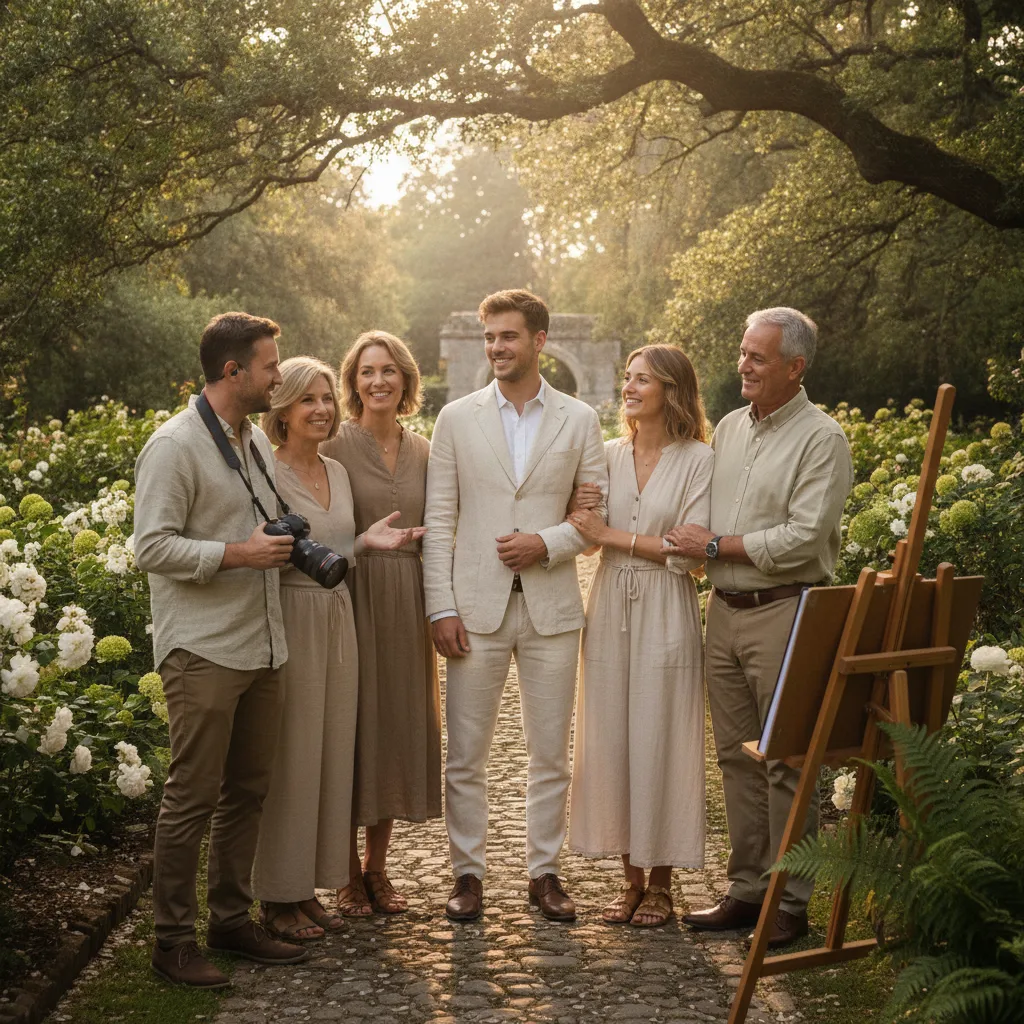
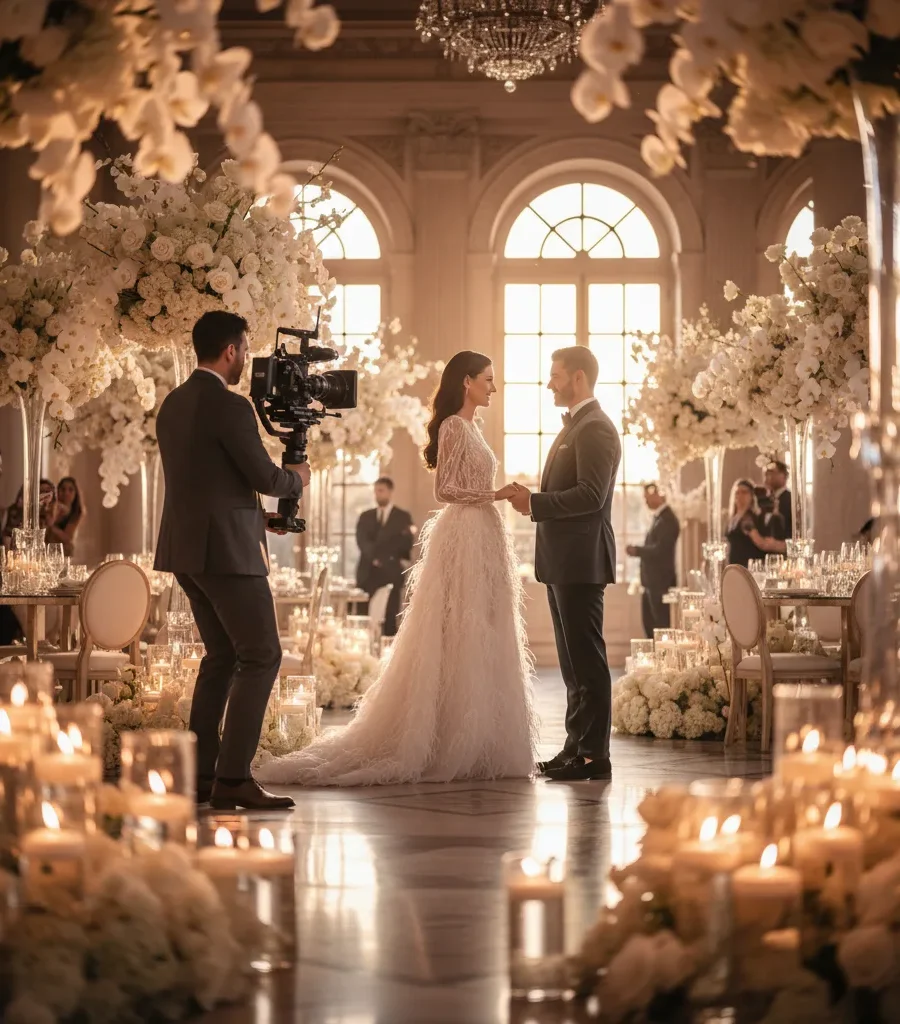
On the ceremony day, they will manage the flow with quiet authority, calling out groupings efficiently, directing with warmth rather than rigidity, and ensuring every portrait feels authentic rather than stiff. During the welcome dinner and brunch, they will move discreetly through the gathering, capturing the candid family interactions that often become the most cherished images in your collection. This kind of seamless integration is especially critical for destination weddings in Europe, where guests have traveled thousands of miles and every moment of togetherness matters.
FAQ
How many family photo groupings should we plan for a multi-day wedding?
For the formal session on your ceremony day, most photographers recommend limiting your list to ten to fifteen groupings focused on immediate family (parents, grandparents, siblings, and their partners and children). Extended family, friend groups, and more casual combinations can be captured across the welcome dinner, reception, or farewell brunch without a formal list, keeping the overall weekend coverage comprehensive without any single session feeling overwhelming.
When is the best time to take formal family portraits during the ceremony day?
The most efficient window is immediately after the ceremony, while all family members are gathered in one place and emotionally present. Starting with grandparents and anyone who may need to rest, then working through larger groups before finishing with immediate family, ensures the session moves quickly and respectfully. If you prefer a first-look format, some portraits can also be done before the ceremony to free up more time afterward.
How do we handle family photos when relatives are spread across different countries and time zones?
This is one of the greatest advantages of a multi-day wedding format. Rather than relying on a single thirty-minute window, you can plan specific family clusters for different events throughout the weekend. Relatives arriving early can be photographed at the welcome dinner. Those who may be jet-lagged on the ceremony day can have their portraits captured at the brunch. Communicating the plan in advance through your weekend itinerary ensures everyone knows when and where to be, regardless of when they arrived.
Making every family portrait feel effortless
Managing family photos during a multi-day wedding is ultimately about thoughtful planning, clear communication, and working with a photographer who treats your family’s time with the same respect they bring to every design detail of your celebration. By spreading portraits across the weekend, prioritizing what truly matters, and coordinating with your vendor team, you transform what could be the most stressful part of your day into one of the most meaningful. We approach every multi-day wedding with this philosophy at Lino Ludovic, building day-by-day portrait plans that honor your family’s story while letting you stay fully present in every moment of your celebration.