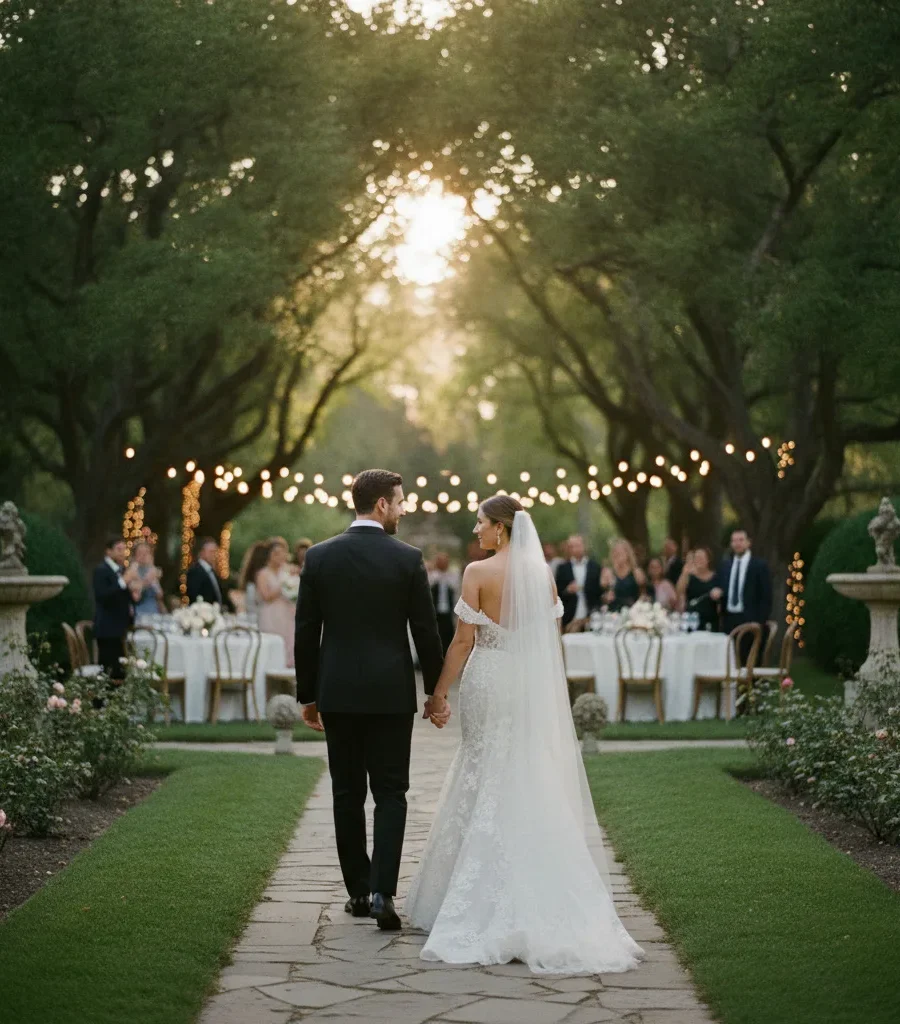
Italy has long been a dream destination for couples planning a wedding abroad. Yet while Tuscany continues to attract the lion’s share of attention, Umbria – often described as the Umbria wedding hidden gem for couples seeking something more private – has been quietly earning its place on the shortlists of discerning couples and luxury wedding planners alike.
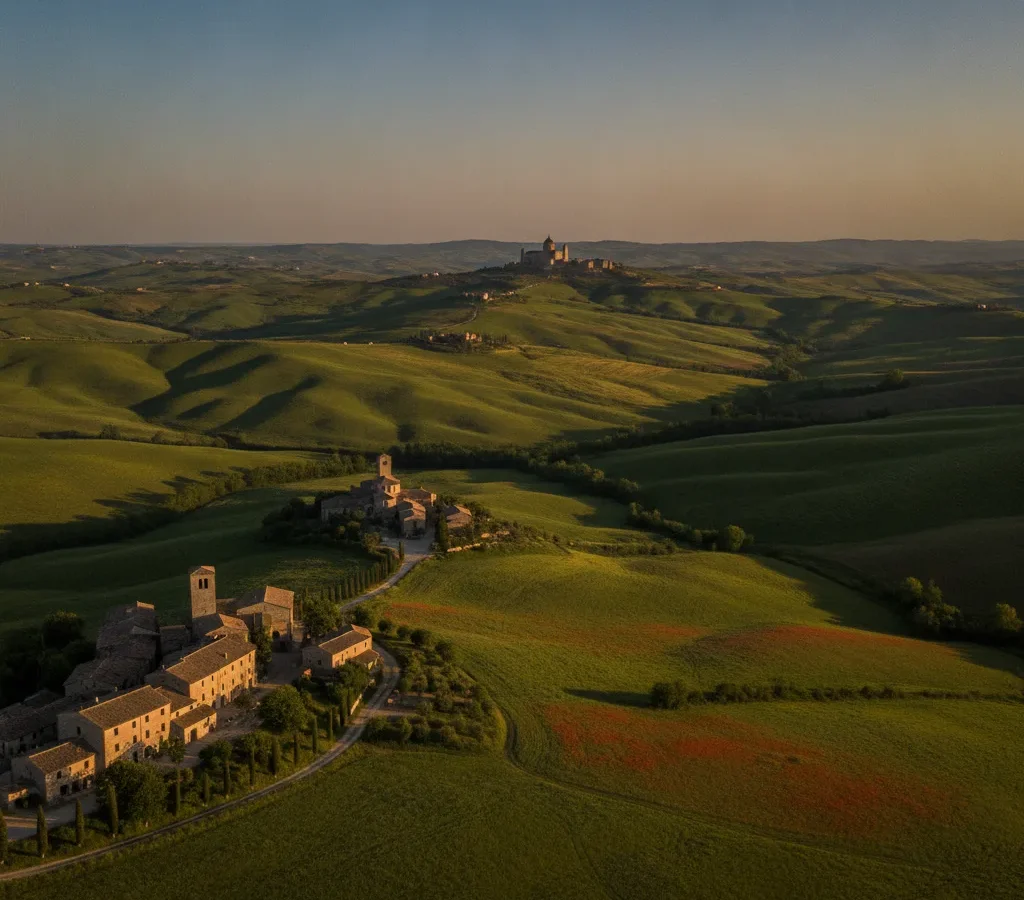
Umbria, the landlocked heart of central Italy, offers rolling green hills, medieval stone villages, ancient abbeys, and an unhurried elegance that feels genuinely untouched. For those seeking something more private, more cinematic, and more authentically Italian, Umbria is the wedding hidden gem that deserves far more recognition than it currently receives.
Umbria Wedding Hidden Gem | Best Venues & Photography
Reading time: ~10 min
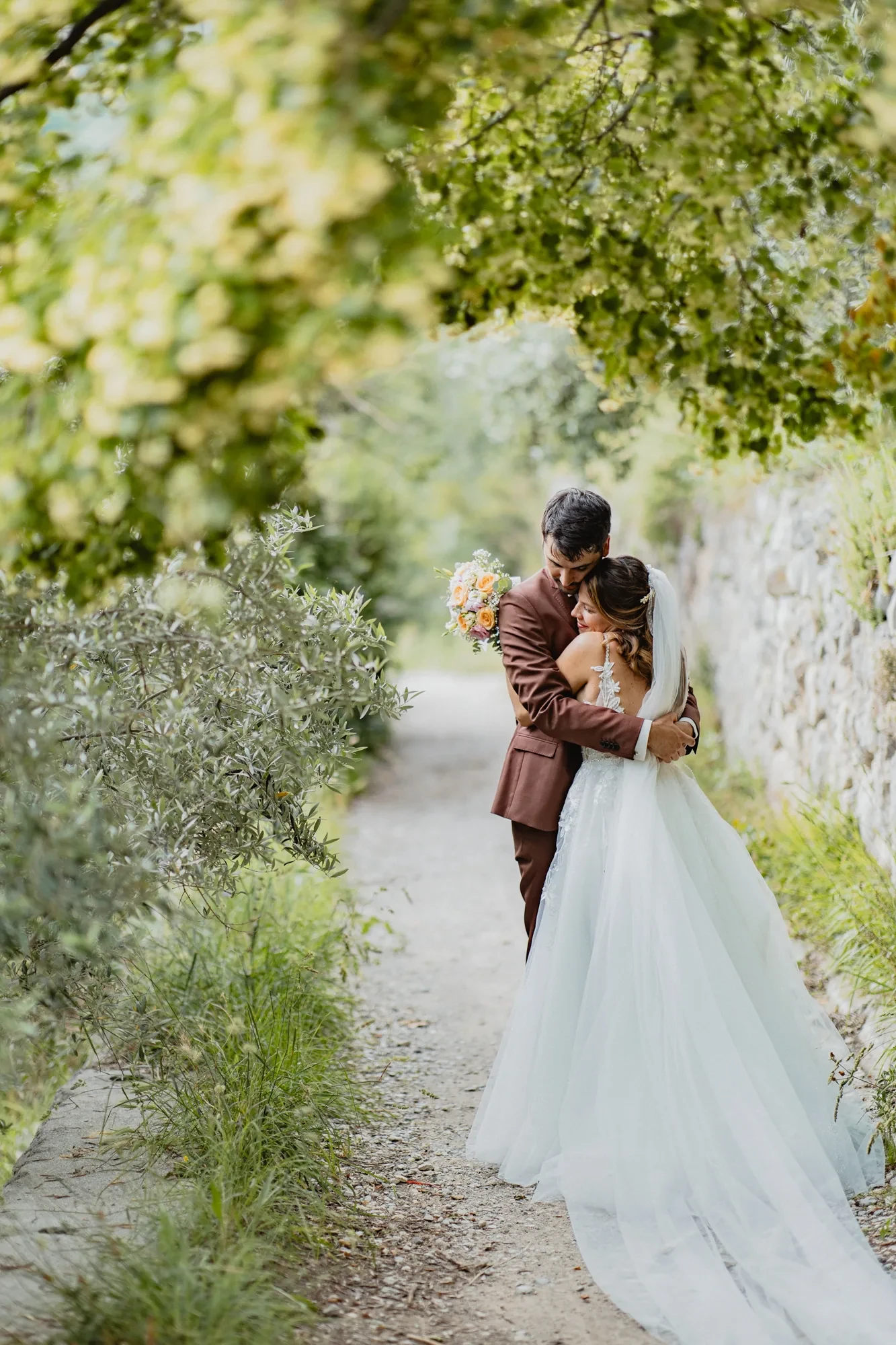
- In Brief
- Umbria vs Tuscany: The Case for the Hidden Gem
- The Most Photogenic Wedding Venues in Umbria
- What Makes Umbria So Visually Compelling for Wedding Photography
- The Best Time of Year to Marry in Umbria
- Intimate Weddings and Small Celebrations in Umbria
- Getting to Umbria: Logistics for US Couples
- Why Umbria Belongs on Your Shortlist
- Frequently Asked Questions
In Brief
- Umbria vs Tuscany: why Umbria offers a more intimate and exclusive alternative for destination weddings.
- The most photogenic wedding venues in Umbria, from medieval castles to ancient abbeys and hilltop borghi.
- What makes Umbria so visually compelling for wedding photography and editorial coverage.
- The best time of year to marry in Umbria and practical logistics for US couples.
- Why Umbria is an ideal setting for intimate, multi-day destination wedding celebrations.
Umbria vs Tuscany: The Case for the Hidden Gem
Why Tuscany Is So Well Known
For years, Tuscany has dominated the Italian destination wedding market. Its cypress-lined roads and vineyard estates have become synonymous with romantic European celebrations, and rightly so. But that popularity comes at a cost. Many of the most iconic Tuscan venues are now heavily booked, and the surrounding landscapes can feel far less private during peak season.
Why Umbria Stands Out as a Hidden Gem
Umbria offers a compelling alternative, one that delivers the same golden-hour light, the same ancient stone architecture, and the same sense of timeless Italian countryside, but without the crowds. Described by those who know it well as the green heart of Italy, Umbria is a region of dense forests, panoramic hilltops, and medieval towns that have changed remarkably little over the centuries. Cities like Assisi, Perugia, and Orvieto anchor a landscape that feels both spiritual and deeply cinematic.
For couples who want their wedding photographs to look genuinely editorial rather than like images taken at a well-worn venue, Umbria delivers a visual richness that is harder and harder to find elsewhere in Italy. The Umbria wedding hidden gem narrative is not simply a marketing angle. It reflects a real shift in how high-end couples and their planners are approaching destination weddings. Exclusivity is no longer just about the guest list or the budget. It is also about choosing a place that feels discovered rather than expected.
The Most Photogenic Wedding Venues in Umbria
Umbria is home to an exceptional variety of venue types, each with its own visual character and photographic potential. Whether you are drawn to the grandeur of a restored castello, the spiritual atmosphere of an ancient abbazia, or the rustic elegance of a working tenuta, the region offers settings that translate beautifully into fine-art wedding photography.
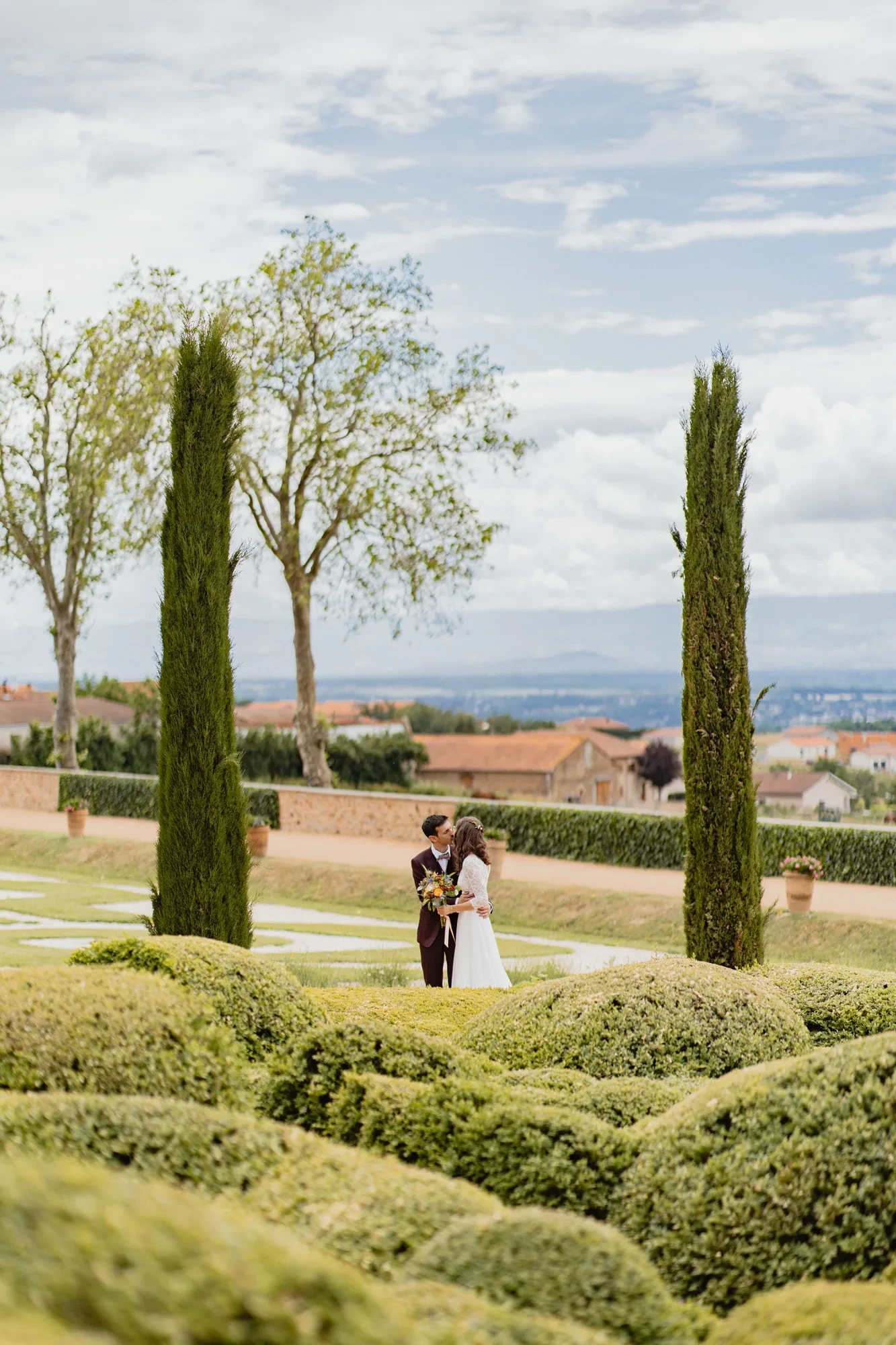
Castello di Reschio
Castello di Reschio is one of the most talked-about luxury destinations in Umbria. A vast private estate with a fully restored medieval castle at its center, it offers a level of exclusivity and visual drama that is difficult to match. The stone courtyards, the surrounding Apennine landscape, and the estate’s own olive groves create a backdrop that feels both monumental and intimate.
Abbazia San Pietro in Valle
Abbazia San Pietro in Valle, located in the Valnerina valley, is frequently described as a true hidden gem even among insiders. This working abbey, surrounded by forest and ancient stone walls, carries a spiritual atmosphere that photographs unlike anywhere else in Italy. The combination of Romanesque architecture, candlelight interiors, and the silence of the surrounding hills makes it an extraordinary setting for an intimate ceremony.
Castello di Petrata
Castello di Petrata, perched above Assisi, offers sweeping panoramic views across the Umbrian plain. On a clear day, the landscape stretches endlessly, and the golden hour light that falls across the valley creates the kind of natural light portraiture that defines an editorial wedding aesthetic. This is a venue where the landscape itself becomes part of the visual story.
Borgo Colognola
Borgo Colognola is a beautifully preserved rural borgo that offers an intimate, almost private village experience. The stone courtyards, the surrounding olive groves, and the unhurried pace of the setting make it particularly well suited to multi-day celebrations where each event, from the welcome dinner to the farewell brunch, can unfold in a different part of the property.
La Badia di Orvieto
La Badia di Orvieto, a former Benedictine monastery transformed into a luxury hotel near the dramatic clifftop city of Orvieto, combines UNESCO heritage surroundings with refined hospitality. Its cloisters and terraced gardens offer a remarkable range of photographic environments within a single venue.
Tenuta di Canonica
Tenuta di Canonica, a restored medieval hamlet near Todi, sits above the Tiber valley with views that are nothing short of extraordinary. The combination of rustic stone architecture, manicured gardens, and panoramic vistas makes it one of the most versatile settings for documentary wedding photography in the region.
| Venue | Type | Key Visual Asset | Best For |
|---|---|---|---|
| Castello di Reschio | Castello / Private Estate | Stone courtyards, olive groves, Apennine landscape | Luxury multi-day weddings, exclusive buyout |
| Abbazia San Pietro in Valle | Abbazia | Romanesque architecture, forest setting, candlelight interiors | Intimate ceremonies, spiritual atmosphere |
| Castello di Petrata | Castello | Panoramic views over Assisi and the Umbrian plain | Golden hour portraiture, editorial coverage |
| Borgo Colognola | Borgo | Olive groves, stone village layout, private grounds | Multi-day celebrations, intimate weddings |
| La Badia di Orvieto | Abbazia / Luxury Hotel | Cloisters, terraced gardens, UNESCO heritage surroundings | Heritage-focused weddings, editorial aesthetic |
| Tenuta di Canonica | Tenuta / Medieval Hamlet | Tiber valley views, stone architecture, gardens | Documentary photography, panoramic backdrops |
What Makes Umbria So Visually Compelling for Wedding Photography
A venue can be beautiful without being photogenic. Umbria, fortunately, is both. Several qualities make it particularly well suited to the kind of elevated, editorial wedding photography that high-net-worth couples and their planners are seeking.
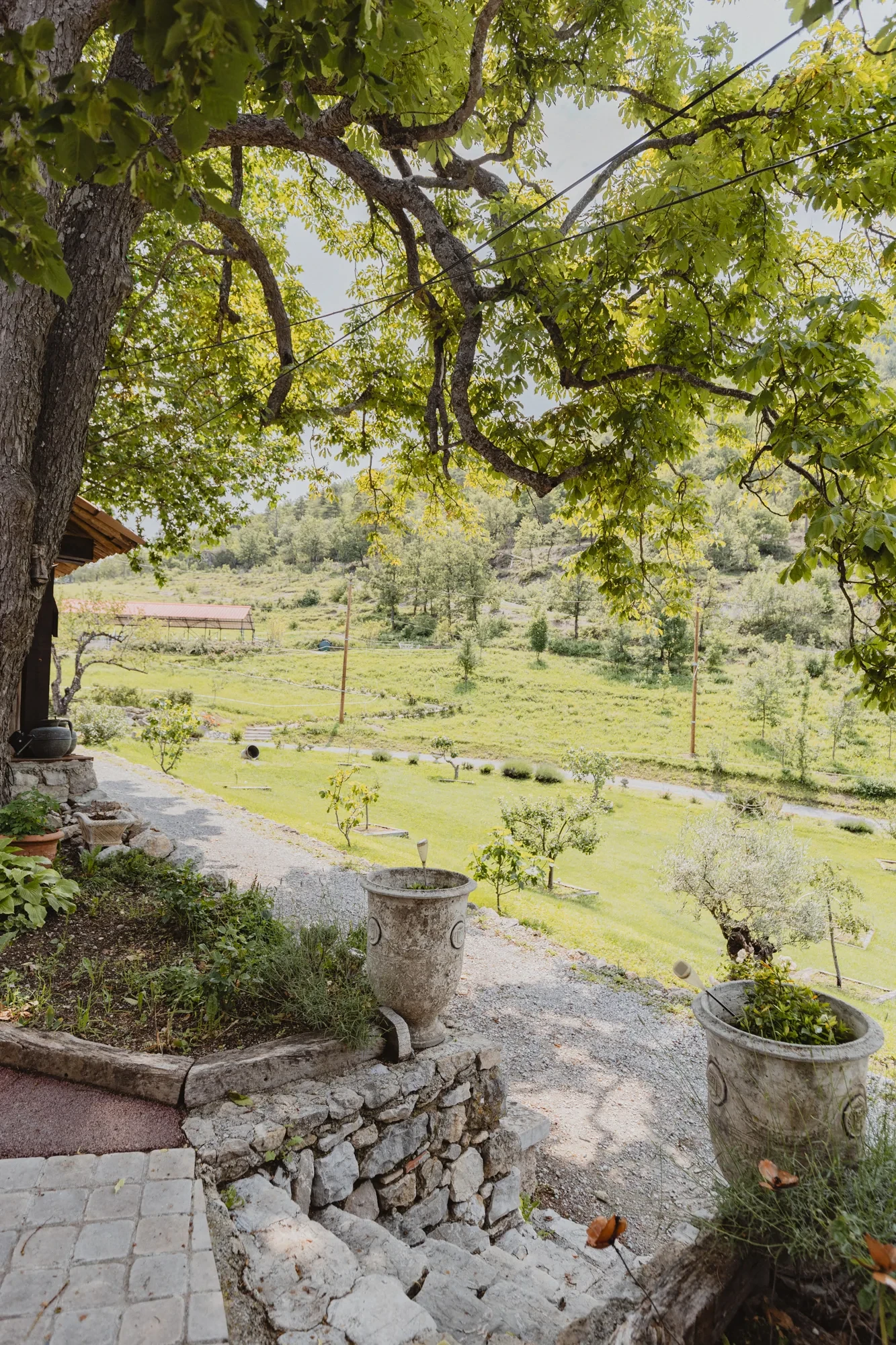
Cinematic Light in Umbria
The light in Umbria has a quality that photographers consistently remark upon. Because the region sits at altitude and is surrounded by hills rather than open coast, the golden hour arrives with a warmth and softness that wraps around stone architecture in a way that feels almost cinematic. Whether you are shooting a candlelight reception inside a medieval castello or natural light portraiture in an olive grove at dusk, the photographic conditions are exceptional.
Medieval Architecture With Depth and Texture
The medieval architecture of Umbria’s borghi and castelli also provides a visual depth that is hard to replicate. Thick stone walls, arched doorways, interior courtyards, and ancient staircases all create layers of texture and shadow that give wedding images a sense of place and history. This is not a neutral backdrop. It is a setting that actively contributes to the visual narrative.
Varied Landscapes for Multi-Day Celebrations
Umbria also benefits from a remarkable variety of landscapes within a relatively compact area. A single wedding weekend can move from a hilltop ceremony with panoramic Apennine views to a candlelit dinner in a vaulted cellar, to a morning farewell brunch in a sun-drenched courtyard surrounded by olive trees. For a photographer focused on multi-day celebration coverage, this variety is invaluable.
Good to know: Many of the finest wedding venues in Umbria offer full exclusive buyout, meaning your celebration takes place entirely privately, with no other guests on the property. This level of exclusivity is increasingly rare in more popular Italian regions and is one of Umbria’s most significant advantages for high-end destination weddings.
The Best Time of Year to Marry in Umbria
Umbria’s climate follows a classic central Italian pattern, with warm, dry summers and mild springs and autumns. For wedding photography specifically, the shoulder seasons offer conditions that are often superior to the peak summer months.
May and June bring a lush, deeply green landscape with long evenings and comfortable temperatures. The rolling hills are at their most photogenic, covered in wildflowers and fresh foliage, and the golden hour extends well into the evening, giving photographers generous time for outdoor portraiture. September and October offer a different but equally compelling palette, with the harvest season underway, the vineyards turning amber and gold, and a softer, more atmospheric light that suits a moodier editorial aesthetic.
July and August are warm and occasionally very hot in inland Umbria, which can affect both guest comfort and photography logistics. That said, the long summer days and clear skies do offer exceptional light for outdoor ceremonies, particularly at higher altitudes near the Apennine foothills.
Intimate Weddings and Small Celebrations in Umbria
One of Umbria’s greatest strengths as a destination wedding location is its suitability for smaller, more intimate gatherings. While Tuscany’s most famous venues are often built for large guest counts and high turnover, many of Umbria’s finest properties were designed as private residences, family estates, or religious communities. They feel most natural when hosting a celebration of thirty to eighty guests, where every detail can be attended to and every guest feels genuinely welcomed.
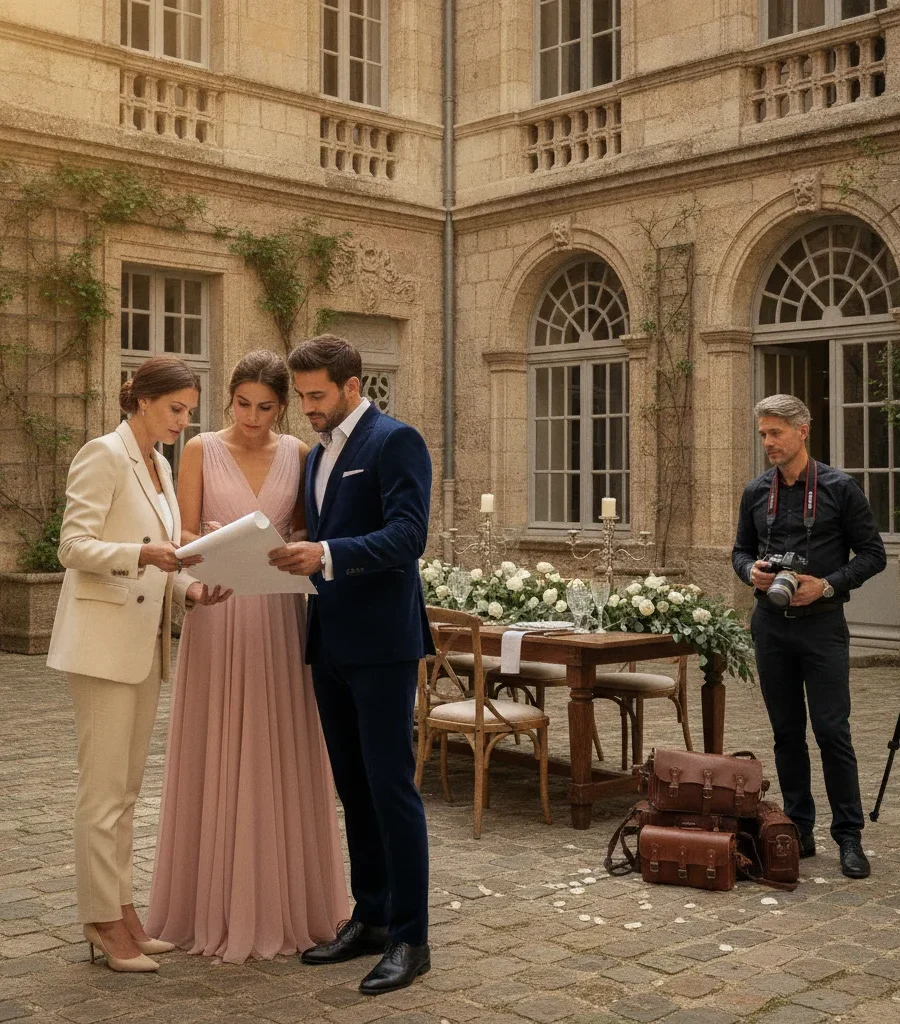
For couples who are prioritizing quality over scale, this is a significant advantage. A wedding at Tenuta di Canonica or Abbazia San Pietro in Valle does not feel like an event at a venue. It feels like a private celebration in a place that has been chosen with great care and genuine intention. That distinction matters enormously, both in the experience of the day and in how it translates into photographs.
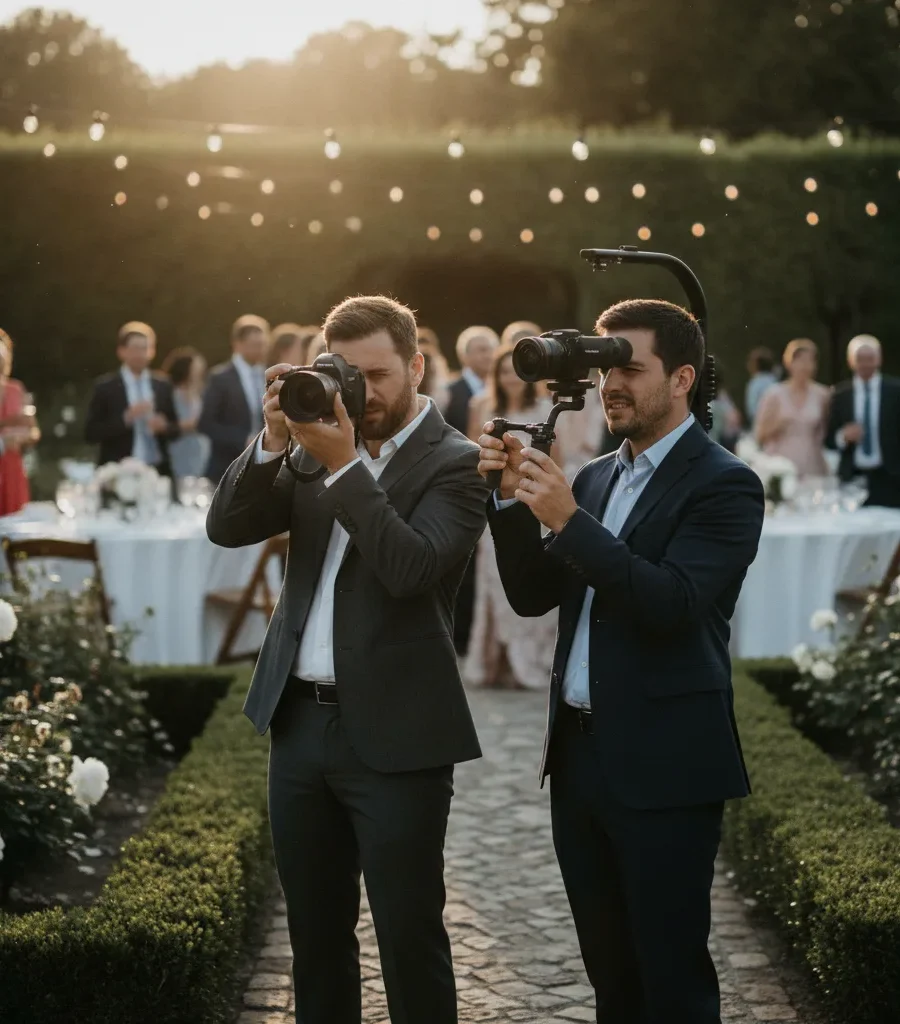
At Lino Ludovic, this is precisely the kind of wedding we are built for. Whether you are planning a two-day celebration in a restored castello or a four-day multi-event weekend across Umbria’s most beautiful properties, our approach is to document each moment with the same discreet attention and artistic precision. You can explore our approach to destination wedding photography across Europe on our wedding photographer page, and browse real celebrations from our portfolio to understand the visual language we bring to each commission.
Important: Umbria’s most sought-after venues tend to book out twelve to eighteen months in advance, particularly for May, June, September, and October dates. If you are working with a US-based wedding planner to coordinate a European celebration, securing your venue and your photographer simultaneously, rather than sequentially, is strongly advisable.
Getting to Umbria: Logistics for US Couples
One practical concern that US couples and their planners often raise is accessibility. Umbria is landlocked and has no major international airport of its own, but it is far more accessible than many assume. Perugia’s Sant’Egidio Airport handles a limited number of European connections, but the more practical gateway for most international travelers is Rome Fiumicino, which is approximately two hours from Perugia and Assisi by car, and around ninety minutes from Orvieto. Florence Airport is also a viable option for venues in the northern part of the region, with journey times of roughly ninety minutes to two hours.
For a multi-day destination wedding, this logistics profile is entirely manageable. Many couples and their guests choose to fly into Rome, spend a night in the city, and then transfer to Umbria for the full wedding weekend. The journey itself becomes part of the experience, a gradual transition from the energy of the city to the quiet beauty of the Italian countryside.
Why Umbria Belongs on Your Shortlist
Umbria is not simply an alternative to Tuscany. It is a destination with its own distinct identity, its own visual language, and its own set of exceptional venues that reward couples willing to look beyond the obvious. For high-net-worth couples planning a destination wedding that feels genuinely exclusive, and for the luxury planners and event designers who orchestrate these celebrations, Umbria offers something increasingly rare: authenticity, privacy, and exclusive multi-day celebrations that have not yet been overexposed.
The rolling hills, the medieval borghi, the ancient abbeys, and the golden light of the Umbrian countryside create conditions for wedding photography that are, quite simply, extraordinary. If your vision is an editorial, emotionally resonant body of work that reflects the full beauty of an Italian destination wedding, Umbria should be at the top of your list. We invite you to explore our wedding portfolio and to reach out through our contact page to begin the conversation about your European celebration.
FAQ – Frequently Asked Questions
Is Umbria considered a hidden gem for destination weddings?
Yes. Umbria is consistently described by wedding photographers, planners, and venue specialists as one of Italy’s most beautiful and least crowded regions for destination weddings. Unlike Tuscany, it has not yet been saturated by the destination wedding market, which means venues retain a genuine sense of exclusivity and privacy that is increasingly difficult to find elsewhere.
How far are Umbrian wedding venues from Rome?
Most major venues in Umbria are between ninety minutes and two and a half hours from Rome Fiumicino Airport by car, depending on the specific location. Orvieto, for example, is approximately ninety minutes from Rome, while Assisi and Perugia are closer to two hours. Florence is also a viable arrival point for venues in the northern part of the region.
Can you have a small or intimate wedding in Umbria?
Absolutely. Many of Umbria’s finest properties, including restored borghi, private tenute, and ancient abbeys, are ideally suited to celebrations of thirty to eighty guests. Their scale and character make them feel most natural when hosting intimate gatherings rather than large-scale events, which is a significant advantage for couples prioritizing a personal, curated experience.
What types of wedding venues are available in Umbria?
Umbria offers an exceptional variety of venue types: medieval castles and castellos, ancient abbeys and convents, rural borghi and private hamlets, working vineyards and olive estates, and hilltop villas with panoramic views. Each type offers a distinct visual character and photographic potential.
What is the best season for wedding photography in Umbria?
May, June, September, and October are generally considered the finest months for wedding photography in Umbria. The spring months bring lush green landscapes and long golden evenings, while autumn offers a harvest palette of warm tones and a softer, more atmospheric quality of light. Both seasons are highly sought after and tend to book out well in advance.
Does hiring a photographer already based in Europe make a difference for a destination wedding in Umbria?
It makes a meaningful practical difference. A photographer who is already based in France or Italy brings familiarity with European venues, no jet lag, no transatlantic logistics to coordinate, and an existing understanding of how light, architecture, and landscape interact across different seasons. For US-based wedding planners managing complex multi-day productions, working with a Europe-based photographer who speaks fluent English and understands American luxury standards is a significant logistical advantage.