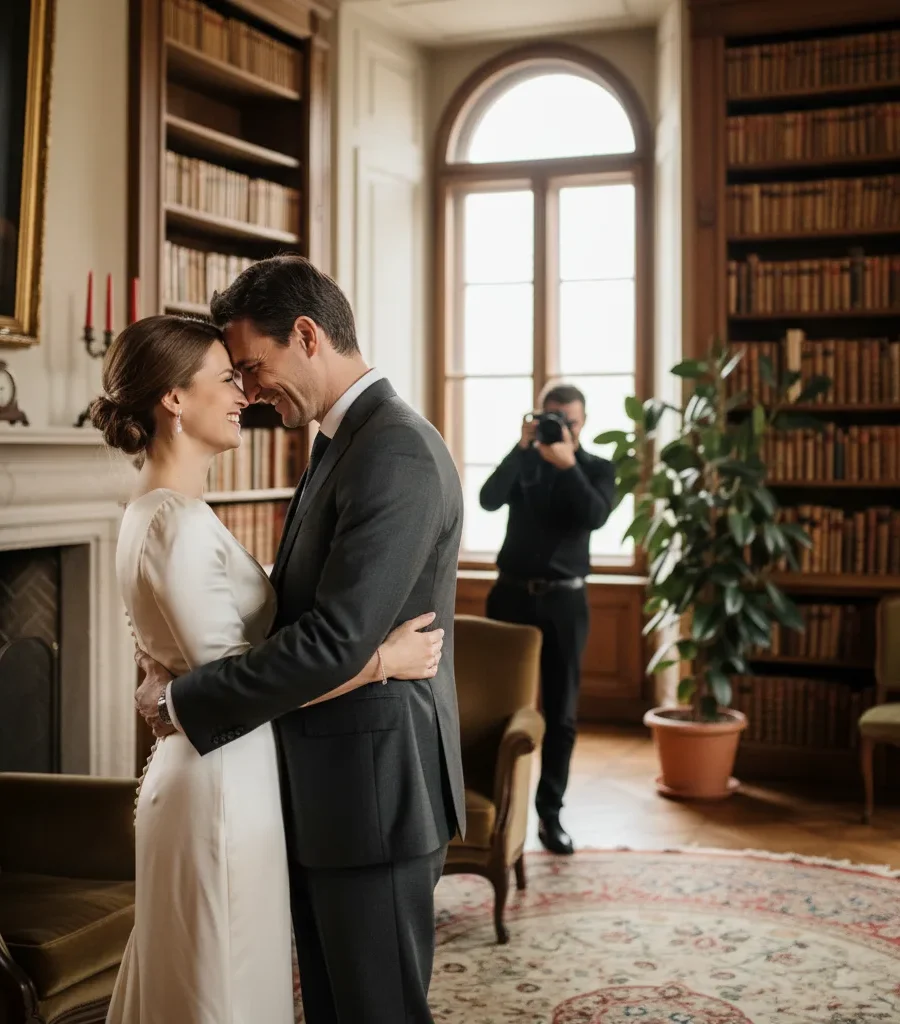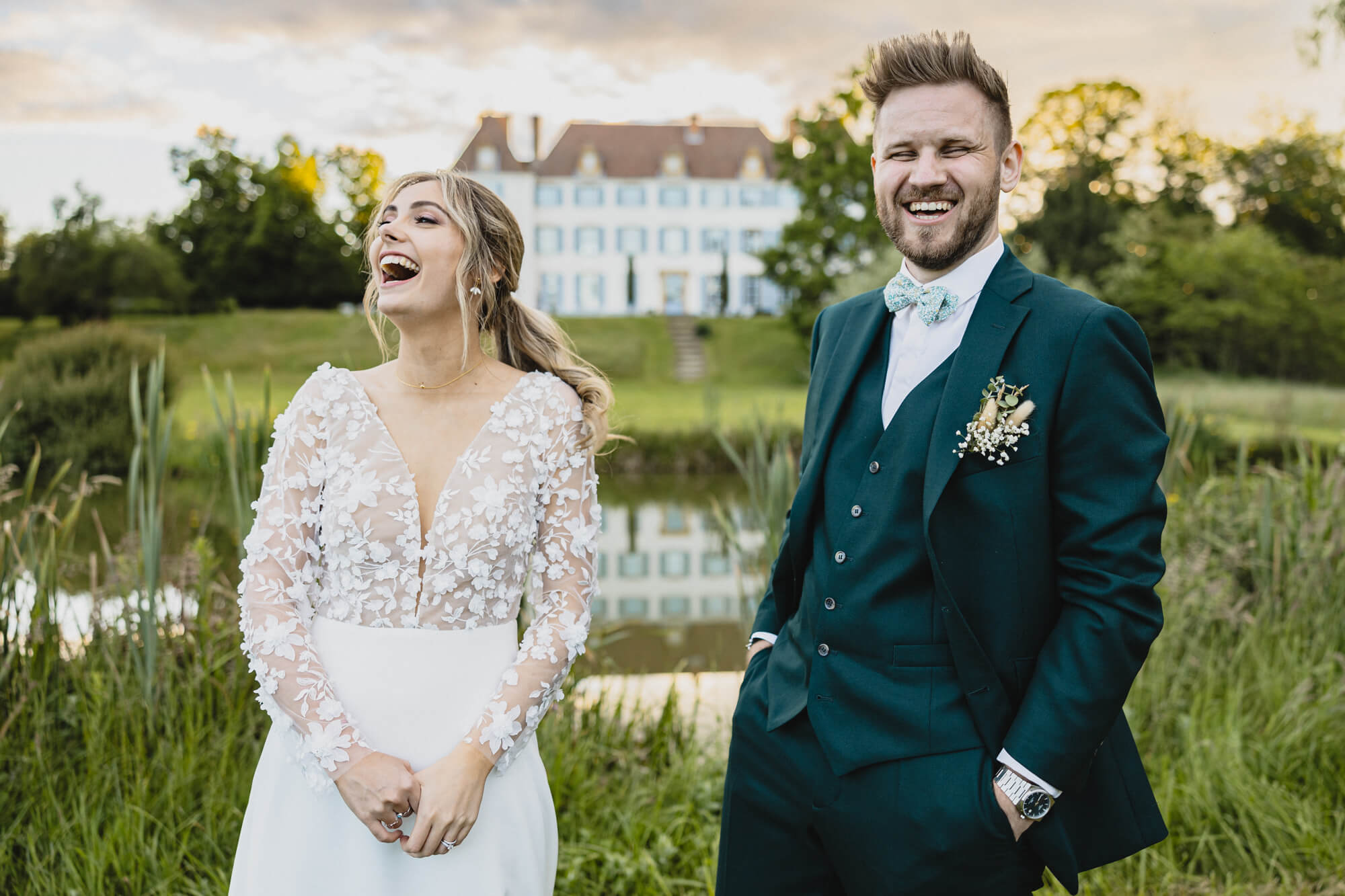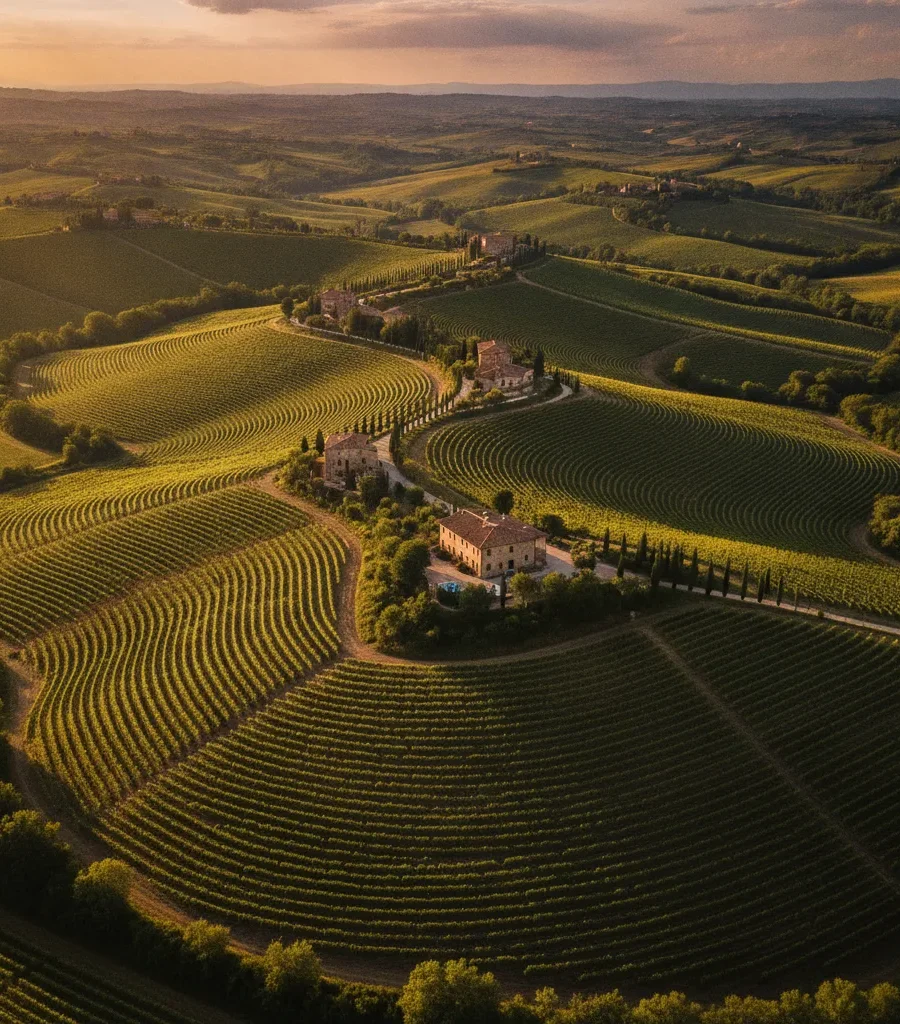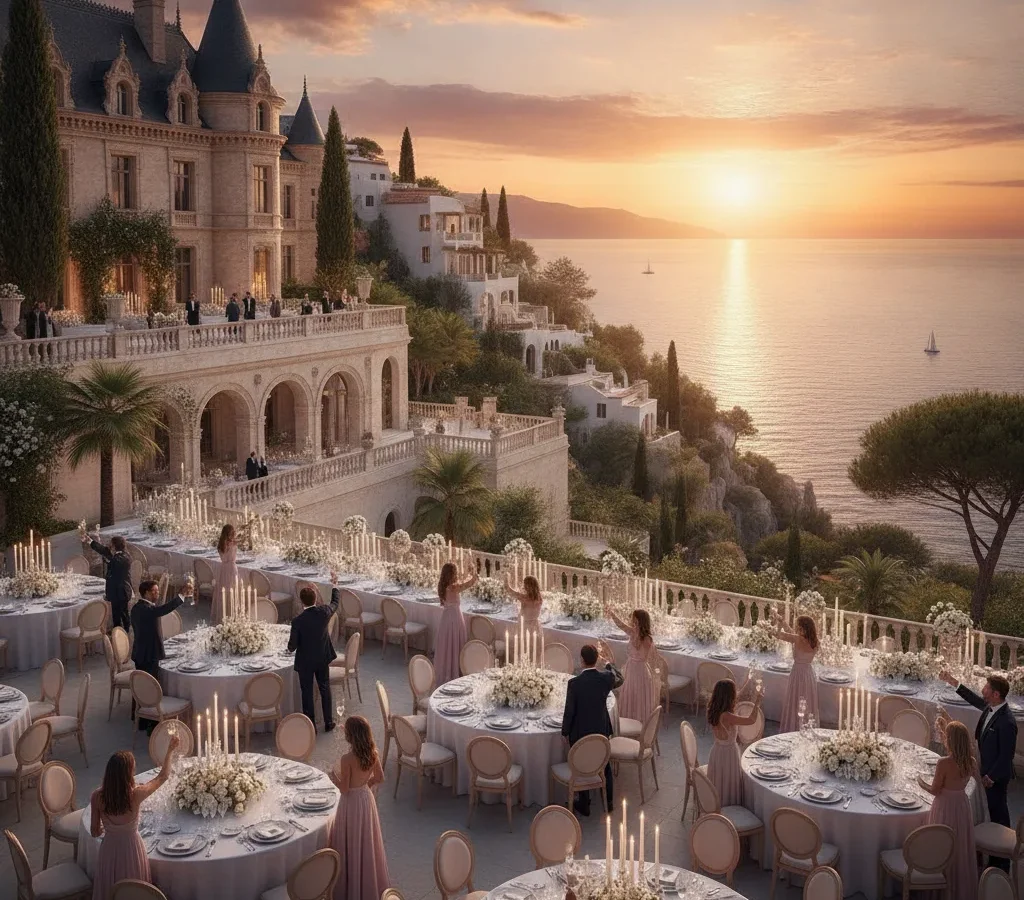
Planning a multi-day celebration across the Atlantic is one of the most exhilarating decisions you will ever make, and one of the most complex. A well-structured 3-Day Destination Wedding Timeline ensures that every welcome toast, every sunset portrait, and every dance floor moment unfolds without a hitch. Whether you are a couple curating a weekend at a French château or a planner orchestrating a six-figure production on the Amalfi Coast, the hour-by-hour framework below will help you protect what matters most: the experience, the design, and the images that will outlive it all.
A single-day celebration can absorb a few scheduling hiccups. A multi-day destination wedding cannot. Guests are arriving from different time zones, vendor teams must coordinate across unfamiliar venues, and the couple’s energy needs to be sustained from the first aperitivo to the farewell brunch. According to leading planning resources, arriving three to five days before the wedding itself is recommended to finalize logistics, confirm vendor details, and allow the couple to acclimate to the destination. The three-day window that follows (welcome event, rehearsal day, wedding day) is where the real choreography begins.
The Anatomy of a Perfect 3-Day Destination Wedding Timeline
Temps de lecture : ~9 min
Contents
- Why a three-day wedding weekend demands its own blueprint
- Day one: arrival and the welcome event
- Day two: rehearsal, portraits, and pre-wedding preparation
- Day three: the wedding day, hour by hour
- To do and to avoid when building your destination wedding timeline
- FAQ
- Your weekend, your legacy
Why a three-day wedding weekend demands its own blueprint
A single-day celebration can absorb a few scheduling hiccups. A multi-day destination wedding cannot. Guests are arriving from different time zones, vendor teams must coordinate across unfamiliar venues, and the couple’s energy needs to be sustained from the first aperitivo to the farewell brunch. According to leading planning resources, arriving three to five days before the wedding itself is recommended to finalize logistics, confirm vendor details, and allow the couple to acclimate to the destination. The three-day window that follows (welcome event, rehearsal day, wedding day) is where the real choreography begins.
Building a detailed wedding weekend itinerary also protects the visual narrative of your celebration. When photography coverage spans multiple events, every transition, every venue change, and every lighting window must be mapped in advance. Without that structure, critical moments slip through the cracks and the story your images tell feels fragmented rather than cinematic.
Day one: arrival and the welcome event
Morning through afternoon
The first day is about settling in and setting the tone. Most guests will land in the morning or early afternoon, so the schedule should revolve around their arrival rhythm.
10:00 Couple confirms all vendor arrivals and does a final walkthrough of the welcome dinner venue with the planner and photographer. This is the moment to identify the best angles, the natural light pockets, and any logistical constraints (narrow staircases, limited parking for catering vans, noise curfews).
12:00 to 15:00 Guest check-in at the hotel, villa, or resort. Welcome bags are distributed. These hours are deliberately unstructured so that travelers can decompress after long-haul flights.
15:00 to 16:30 Optional group activity for early arrivals (a guided walk through the village, a wine tasting, or simply gathering by the pool). This is an excellent window for the photographer to capture candid, « travel mood » images of the couple and their closest friends discovering the destination together.
Evening
18:30 Welcome cocktail begins. The photographer documents the venue styling, floral details, and the first interactions between guests who may not have seen each other in months.
19:30 to 22:00 Welcome dinner. Coverage focuses on toasts, laughter, candlelit tablescapes, and the overall ambiance. For planners seeking editorial submissions, these images of the welcome event are often the ones that set a feature apart because so few photographers capture this chapter with the same intentionality as the wedding day itself.
Photographer note: Day one coverage typically runs four to five hours. It should feel relaxed and observational, never intrusive. The goal is to document the emotional reunion of a group that has traveled across the world to be together.
Day two: rehearsal, portraits, and pre-wedding preparation
Morning
09:00 to 10:30 The couple and planner meet for a final timeline review. Confirm ceremony logistics, seating charts, and any last-minute vendor substitutions. This is also the time to verify weather forecasts and activate backup plans if needed (outdoor ceremonies in Europe can be affected by sudden Mediterranean showers or mistral winds).
10:30 to 12:00 Ceremony rehearsal at the venue. The photographer may attend briefly to scout exact positions for the processional, the vows, and the exit.
Afternoon
14:00 to 15:30 Bridal party portraits or relaxed family photos. Scheduling these on day two rather than the wedding day itself relieves enormous pressure. Extended family members are fresh, children are cooperative, and the couple is not yet managing the adrenaline of their ceremony. This approach also frees up the wedding day timeline for more spontaneous coverage.
16:30 to 17:30 Couple portrait session during golden hour. A European destination in summer offers extraordinary late-afternoon light, often lasting well past 20:00 depending on the region. Shooting portraits the day before the wedding creates editorial-quality content (think engagement-style images in a Tuscan olive grove or along the ramparts of a Provençal village) without eating into the wedding day schedule.
Evening
19:00 to 22:00 Rehearsal dinner. This event is typically more intimate than the welcome dinner, often limited to the wedding party and immediate family. Coverage captures toasts, emotional exchanges, and the design details that the planner and florist have curated for this specific evening.
Photographer note: Day two is the most strategically valuable day for photography because it offers the most creative flexibility. A skilled destination wedding photographer will use this window to produce images that elevate the entire gallery.
Day three: the wedding day, hour by hour
Morning and early afternoon
This is the day every detail converges. The timeline below assumes a late-afternoon ceremony, which is the most common format for luxury destination weddings in France and Italy due to the quality of evening light.
08:00 to 08:30 Photographer arrives and begins capturing the venue in its final dressed state (before guests walk through). Flat-lay styling of invitations, rings, shoes, and personal details.
08:30 to 11:30 Getting ready. Coverage alternates between the couple’s separate suites. This is where the storytelling begins: the lacing of a dress, a handwritten letter, a quiet moment with a parent.
12:00 to 12:30 First look (optional). For couples who choose this approach, it creates a private, emotionally charged moment and opens up the rest of the afternoon for additional portrait time.
12:30 to 13:30 Couple portraits and wedding party photos. Completing these before the ceremony means the couple can move directly into cocktail hour with their guests afterward, rather than disappearing for 45 minutes of posed shots.
14:00 to 15:00 Lunch break for the couple and vendor team. Often overlooked, this pause is essential for stamina.
Ceremony and cocktail hour
16:00 Guest seating begins.
16:30 to 17:15 Ceremony. The photographer works unobtrusively, capturing the processional, vows, ring exchange, first kiss, and recessional from pre-scouted positions.
17:15 to 18:30 Cocktail hour. Guests enjoy the venue while the photographer captures candid interactions, design details (tablescapes, floral installations, architectural elements), and a few additional couple portraits if the light is exceptional.
18:30 to 19:00 Guests are seated for dinner.
Reception and late night
19:00 to 21:00 Reception. Toasts, first dance, cake cutting, and parent dances. Each of these moments should have a specific time slot to avoid the cascade of delays that can compress the evening.
21:00 to 21:30 Golden hour or « blue hour » portraits. Stepping outside for five minutes during this window often produces the single most striking image of the entire weekend.
21:30 to 23:30 Dancing, celebration, and a planned exit (sparklers, lanterns, or a simple walk through the venue grounds). Coverage typically ends here, though some couples extend into the early hours.
To do and to avoid when building your destination wedding timeline
| To do | To avoid |
|---|---|
| Build the schedule around natural light windows at your specific venue | Assuming European light behaves the same as California light (sunset times and golden hour duration vary significantly by latitude and season) |
| Share the full three-day itinerary with every vendor at least four weeks in advance | Sending the timeline only to the planner and expecting information to trickle down accurately |
| Include buffer time (15 to 20 minutes) between every major transition | Packing events back to back with no margin for transport delays or wardrobe changes |
| Confirm an offline copy of all vendor contacts and the timeline in case of weak mobile signal at the venue | Relying entirely on cloud-based documents at a remote château with limited connectivity |
| Discuss the photographer’s meal and rest breaks openly during planning | Overlooking vendor welfare, which directly affects the quality and energy of multi-day coverage |
FAQ
How many hours of photography coverage does a three-day wedding weekend require?
Most multi-day celebrations require between 20 and 30 hours of total coverage across the three days. Day one typically needs four to five hours, day two around five to six, and the wedding day itself between ten and fourteen. The exact split depends on the number of events, the distance between venues, and whether the couple wants editorial portrait sessions on the rehearsal day.
When should we book a photographer for a destination wedding weekend?
Specialized multi-day destination wedding photographers are in high demand, particularly during the European season (May through October). Planning experts recommend securing your photographer 12 to 18 months in advance, ideally as soon as the venue is confirmed. This is especially important if your celebration spans several days, as the photographer must block an extended period on their calendar.
Should we schedule couple portraits on the wedding day or the day before?
Both options work, but splitting them across two days offers significant advantages. A relaxed portrait session on day two (during golden hour, at a scenic location near the venue) produces editorial content with zero time pressure. On the wedding day itself, a shorter portrait window after the ceremony captures the heightened emotion without pulling the couple away from their guests for too long.
What information should we send our photographer before the wedding weekend?
Provide a complete itinerary for all three days, including venue addresses, contact numbers for the planner and key vendors, a shot list of priority moments, details on any cultural or religious protocols, the names of VIP guests, and a note on any design elements the planner wants documented for press submissions. An offline version of this document is essential for European venues where connectivity can be unreliable.
Your weekend, your legacy
A thoughtfully constructed three-day wedding weekend schedule does more than prevent logistical mishaps. It creates the space for genuine emotion, for unhurried elegance, and for the kind of images that become family heirlooms. Every hour you invest in planning is an hour your guests spend enjoying the celebration rather than wondering what comes next. If you are beginning to map out your own multi-day destination wedding in France or Italy, we invite you to explore how we approach these weekends at Lino Ludovic and discover what a truly seamless, editorially driven experience looks like from the first welcome toast to the last farewell.