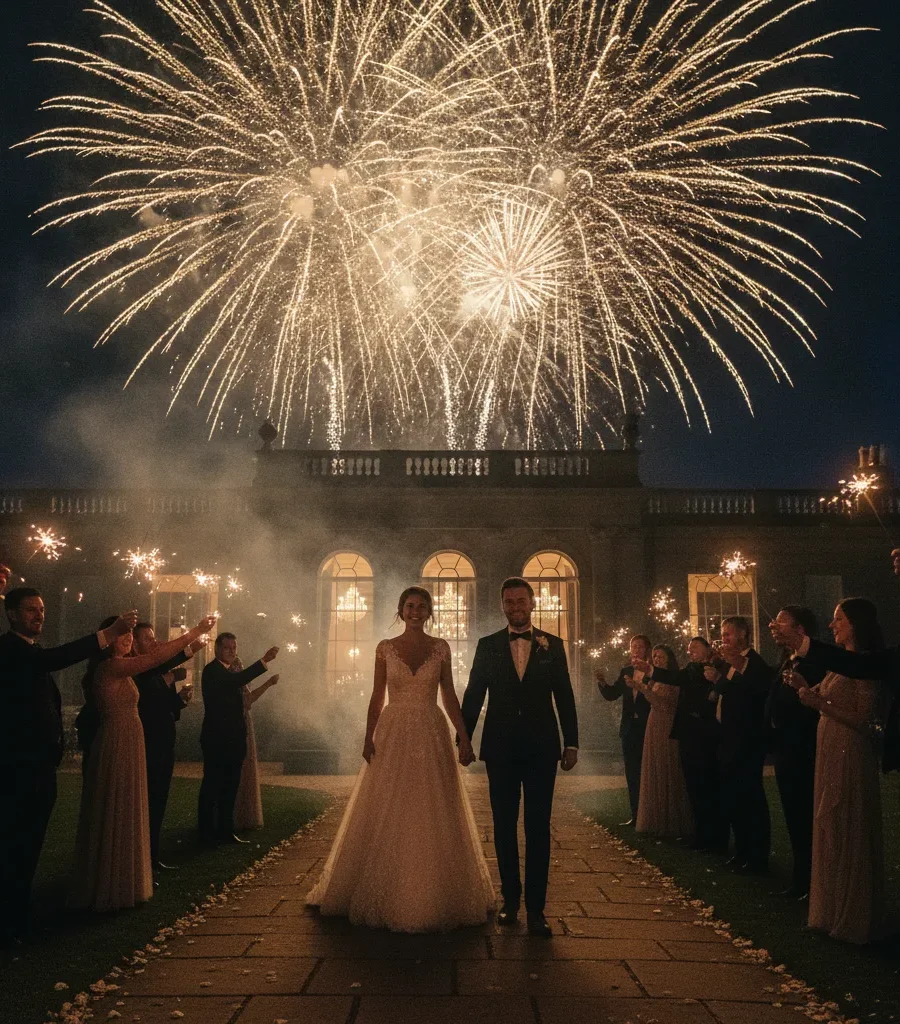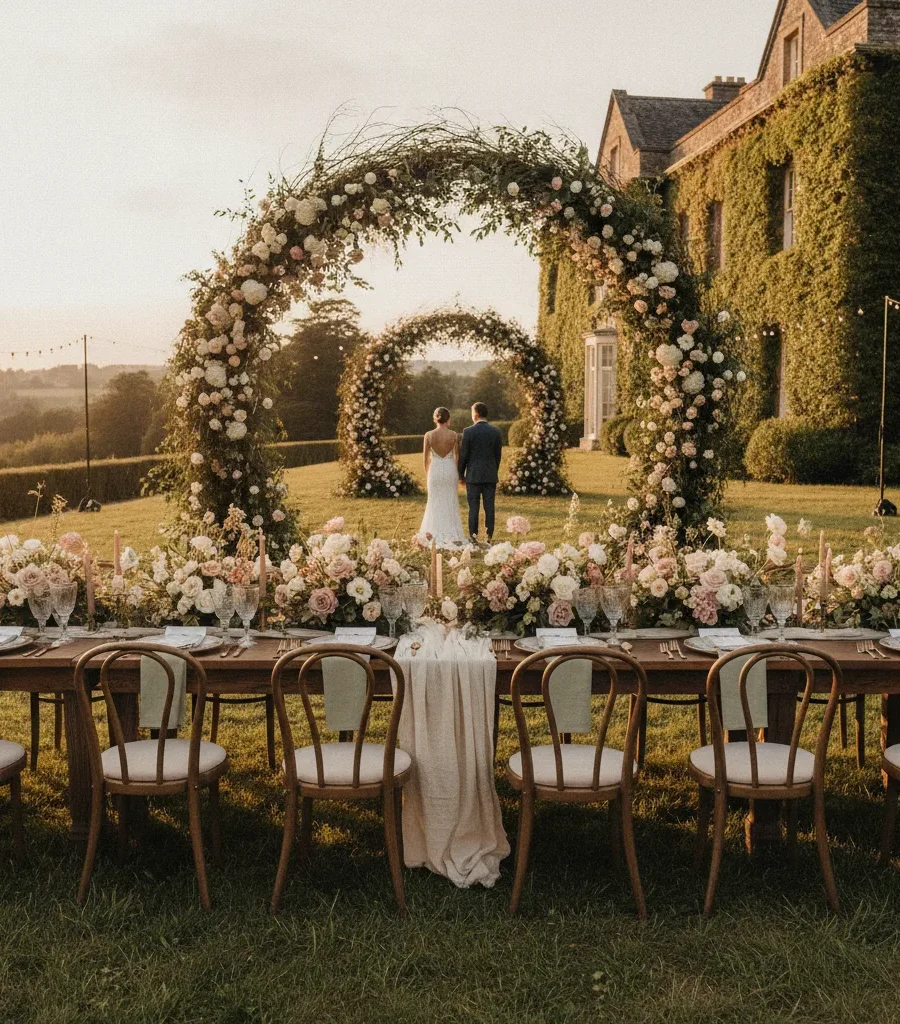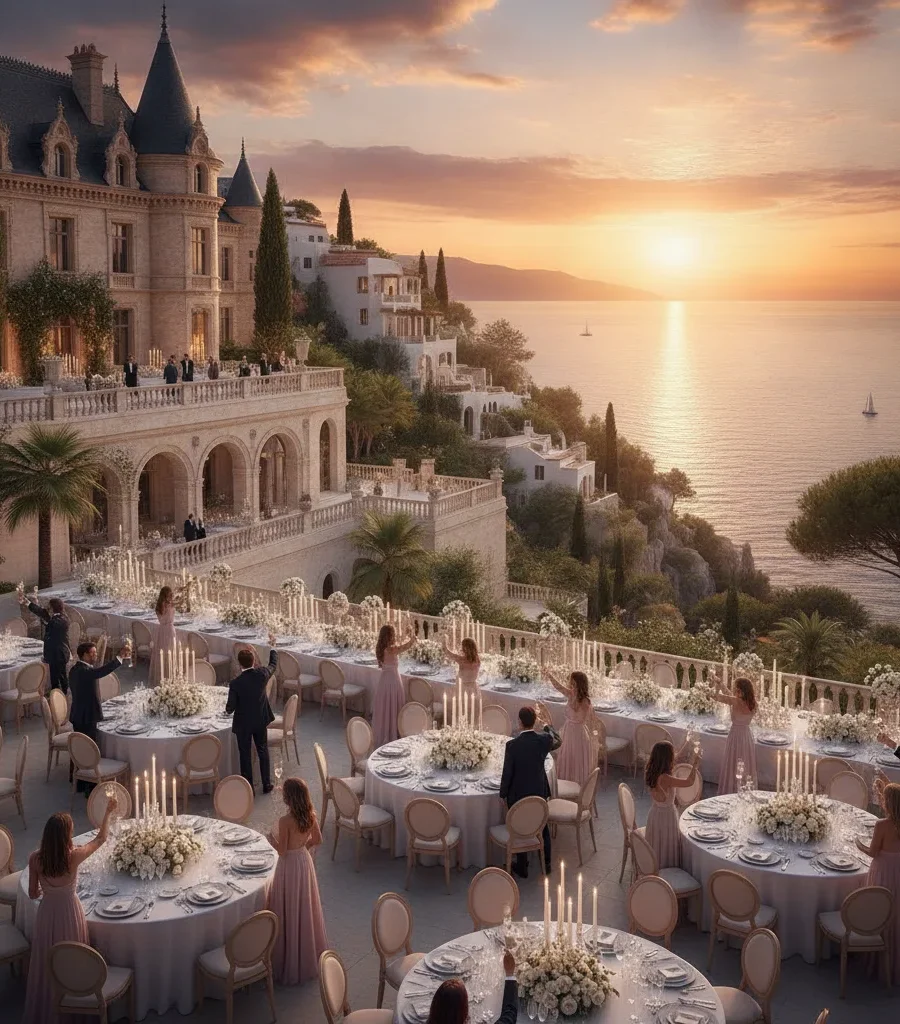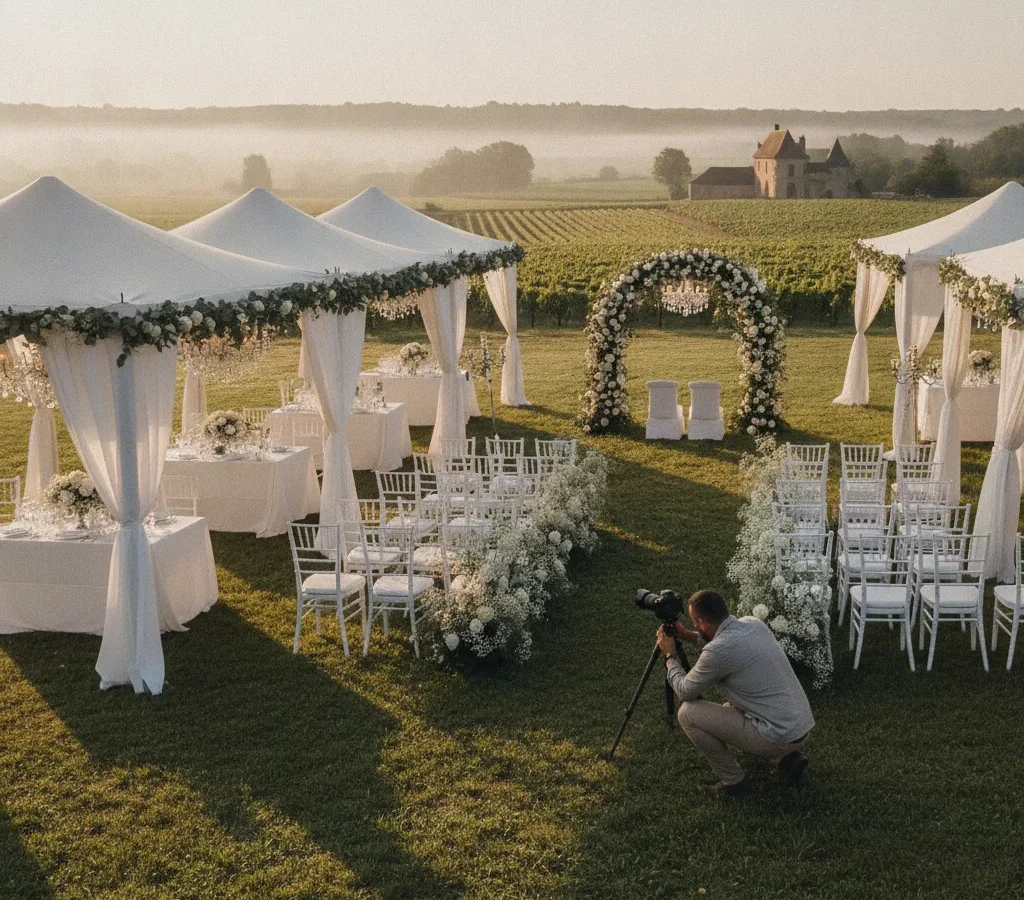
Behind the scenes multi-day wedding coverage is where the real work happens. A celebration in the French countryside or on the shores of Lake Como is not simply a longer version of a single wedding day; it is a different kind of production, with its own pace, logistics, backup routines, and storytelling demands.
At Lino Ludovic, multi-day coverage is about staying organized in the quiet hours before guests arrive, keeping a clean workflow between events, and building one coherent gallery across dozens of hours of celebration. This article walks through what the weekend usually includes, how the photographer prepares, how each shoot day unfolds, and how images are edited and delivered at scale.
Behind the Scenes Multi-Day Wedding | 3-Day Shoot
Reading time: ~7 min
- What a Multi-Day Wedding Weekend Actually Includes
- Gear Readiness and Pre-Shoot Preparation
- How Each Shoot Day Actually Unfolds
- Managing Energy Across Three Consecutive Shoot Days
- Post-Production Workflow for a Multi-Day Wedding
- Maintaining Visual Coherence Across the Entire Weekend
- Putting It All Together for a Multi-Day Wedding
- Common Questions About Multi-Day Wedding Coverage
What a Multi-Day Wedding Weekend Actually Includes
Typical Events in a Multi-Day Wedding Weekend
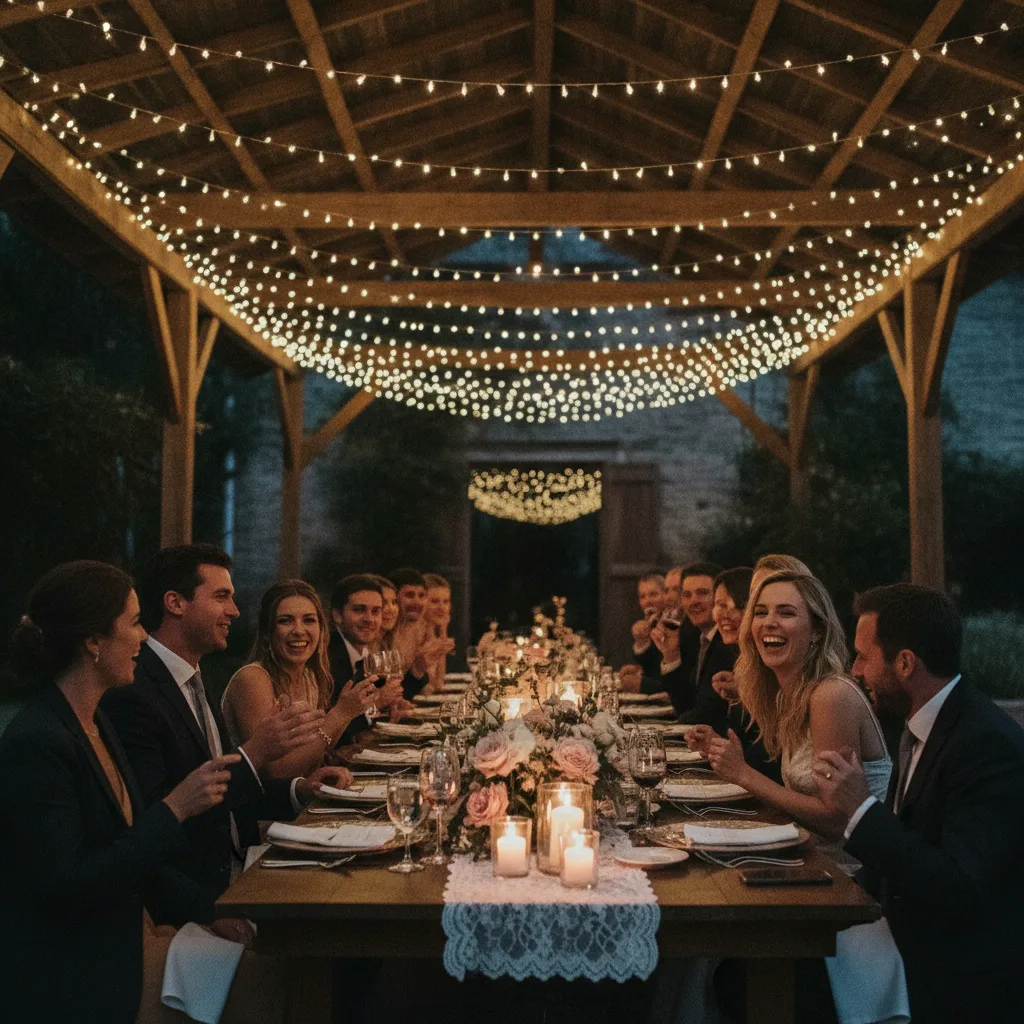
Before discussing workflow or stamina, it helps to define what multi-event wedding coverage means in practice. A typical three-day destination wedding weekend might open with a welcome party on Thursday or Friday evening, where guests arriving from Los Angeles, San Francisco, or New York meet for the first time. That is often followed by a rehearsal dinner, a more intimate gathering with speeches, toasts, and candid moments that shape the emotional arc of the weekend.
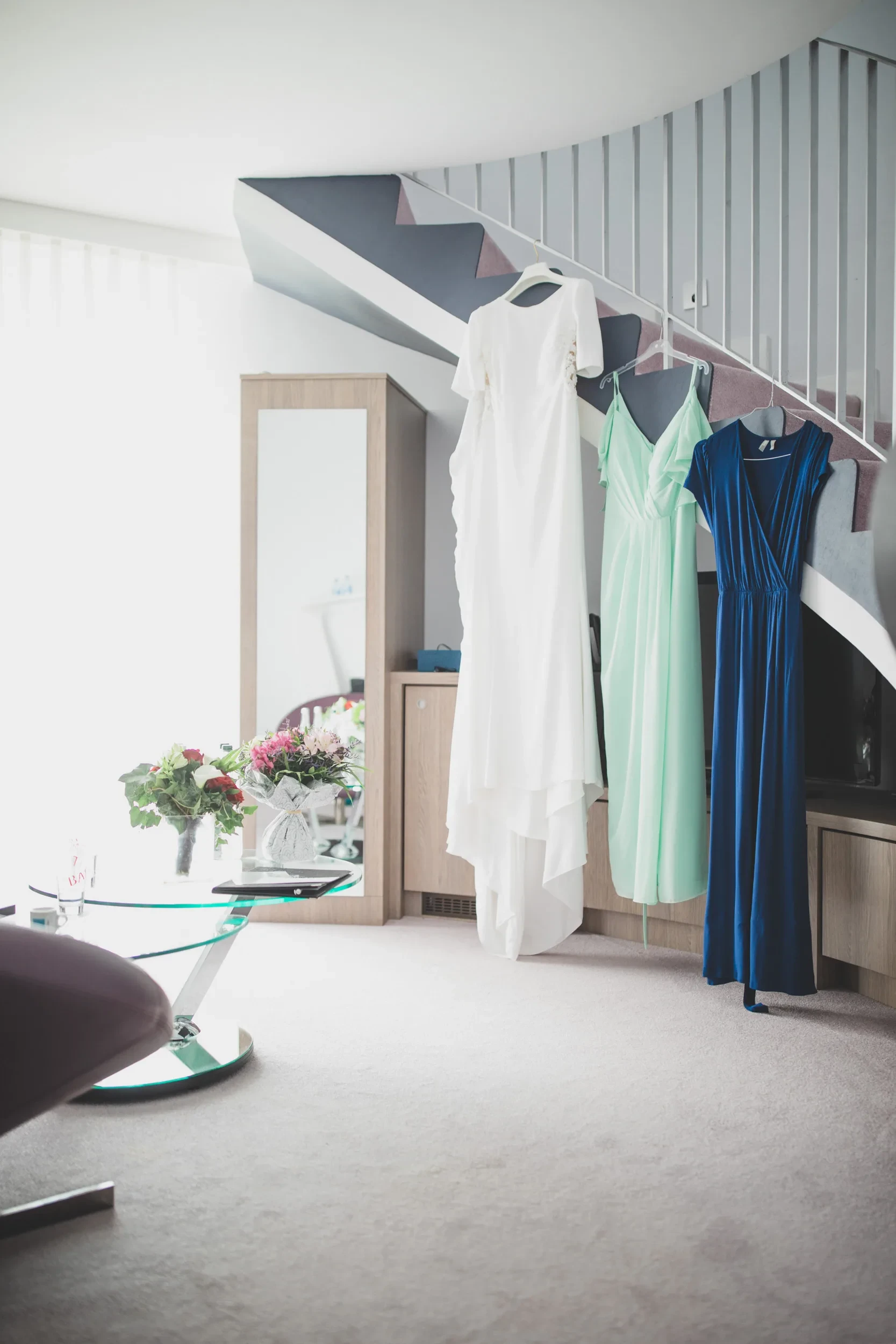
The wedding day itself is the centerpiece, running from getting-ready coverage in the morning through the ceremony, golden hour portraits, and the late-night reception. Many couples also add a farewell brunch on the final morning, and some choose a dedicated day-after session for relaxed couple portraits without the time pressure of the wedding day.
Good to know: Multi-day wedding photography coverage is increasingly common among couples planning destination weddings in Europe, where guests travel from across the world and the celebration naturally unfolds over several events rather than a single afternoon.
Each event has its own photographic logic. The welcome party rewards a documentary approach, with wide angles capturing the energy of reunion and the decor of a beautifully set outdoor terrace. The rehearsal dinner calls for a quieter eye, attentive to the vow book detail shot sitting on a linen tablecloth or the way a father looks at his daughter during a speech. The wedding day requires everything at once. The day-after session, by contrast, offers a rare slowness, a post-wedding session where the couple can be fully present without a timeline pulling them in six directions.
Gear Readiness and Pre-Shoot Preparation
Core Gear Preparation for Multi-Day Coverage
The behind the scenes of a multi-day wedding begins long before the first event. The evening before each shoot day, every battery is charged, every memory card is formatted, and every lens is cleaned and accounted for. This is not a habit born of anxiety but of professionalism. When you are on day two of a three-day shoot, there is no margin for a dead battery or a corrupted card.
Gear preparation for multi-day wedding photography coverage also means thinking about redundancy. Two camera bodies, multiple memory cards per slot, and a portable hard drive for immediate card backup after each event are standard. A printed shooting schedule for each day, shared in advance with the wedding planner and the venue coordinator, ensures that everyone operates from the same timeline.
Vendor communication before the weekend begins is equally important: knowing the florist’s installation schedule, the lighting designer’s setup window, and the caterer’s service rhythm allows for smarter positioning during ceremony decor documentation and tablescapes coverage.
For US planners working with Lino Ludovic on European destination weddings, this level of preparation is precisely what makes the collaboration seamless. There are no surprises on the day, no requests that disrupt the production flow, and no gaps in coverage because a critical moment was not anticipated.
How Each Shoot Day Actually Unfolds
On the wedding day itself, the photographer’s presence begins during getting-ready coverage, arriving early enough to arrange a detail flatlay of the rings, invitation suite, shoes, and perfume before the room becomes too busy. This requires both speed and a trained eye for composition.
From there, the day moves through a first look if the couple has chosen one, bridal party portraits, family formals immediately after the ceremony using a pre-prepared list to move efficiently through combinations, and then the golden hour portraits that often represent the most technically demanding and creatively rewarding fifteen minutes of the day.
The reception brings its own set of challenges. Flash balance in a candlelit chateau or a vine-draped Italian villa requires careful calibration to preserve the ambient warmth while ensuring the couple and their guests are properly exposed. An 85mm lens at a moderate aperture handles speeches and first dances with discretion, while a wider focal length captures the energy of the dance floor without intrusion.
The welcome party and rehearsal dinner follow a similar logic but at a lower intensity. These events reward a candid storytelling approach: less direction, more observation, and more attention to the moments that unfold between scheduled activities. A grandmother seeing the venue for the first time. Two old friends laughing over a shared memory. These are the images that give a multi-day gallery its emotional depth.
Key takeaway: The rehearsal dinner and welcome party are not secondary events. For many couples, they contain some of the most emotionally significant moments of the entire weekend, precisely because the atmosphere is more relaxed and the interactions are unscripted.
Managing Energy Across Three Consecutive Shoot Days
Wedding photography stamina tips rarely address the specific demands of multi-day coverage, where the physical and mental load accumulates across consecutive shoot days. A single wedding day already involves eight to ten hours of active shooting, constant movement, and sustained creative decision-making. A three-day wedding shoot multiplies that demand significantly.
Intentional pacing is the answer. On days with lighter coverage, such as the welcome party, the priority is to conserve energy while still delivering complete, high-quality documentation. Eating a proper meal before each event, staying hydrated throughout, and building in a recovery window between events when the schedule allows are not optional considerations but professional necessities.
Second shooter coordination also matters here: a trusted second photographer handles specific coverage zones, freeing the lead photographer to focus on the primary storytelling arc without physical overextension.
| Event | Typical duration | Coverage intensity | Primary focus |
|---|---|---|---|
| Welcome party | 2 to 3 hours | Moderate | Candid storytelling, decor, guest arrivals |
| Rehearsal dinner | 3 to 4 hours | Moderate | Speeches, toasts, intimate moments |
| Wedding day | 10 to 14 hours | High | Full coverage from prep to late reception |
| Farewell brunch | 1 to 2 hours | Low | Relaxed group moments, final farewells |
| Day-after session | 1 to 2 hours | Moderate | Couple portraits, scenic locations |
Post-Production Workflow for a Multi-Day Wedding
Backup, Culling, and Editing at Scale
The post-production workflow for a multi-day wedding is fundamentally different from that of a single-day event, not only in volume but in organizational complexity. A three-day shoot can yield several thousand raw files, each needing to be culled, sorted by event, edited for consistency, and delivered in a way that makes sense to the couple.
Card backup happens immediately after each event, before the photographer sleeps, using two separate drives to ensure redundancy. Culling is handled with AI-assisted tools such as AfterShoot, which dramatically reduces the time spent on initial selection without compromising editorial judgment.
The final edit is completed in Lightroom, where a consistent preset base is applied across all events before individual refinements are made. Preset consistency is what ensures that images from the welcome party and images from the wedding ceremony feel like they belong to the same story, even when they were shot in different light conditions across different days.
Gallery delivery is managed through Pic-Time, which allows the couple to receive a single, beautifully organized gallery divided by event, with automated options for print sales and fine-art album ordering. Client management throughout the process, from the initial inquiry to the final album delivery, is handled through HoneyBook, ensuring that every touchpoint is documented and no detail is overlooked.
This level of workflow discipline is what allows Lino Ludovic to offer multi-day wedding packages that meet the expectations of high-net-worth couples and the US luxury planners who recommend them.
Maintaining Visual Coherence Across the Entire Weekend
One of the most nuanced challenges in extended wedding weekend coverage is maintaining a consistent visual identity across events that differ in location, lighting, and atmosphere. The welcome party at a sun-drenched villa terrace and the candlelit reception in a medieval chateau chapel should feel like chapters in the same book, not photographs taken by two different photographers.

This coherence comes from several converging disciplines. Consistent color grading through a refined preset workflow is the technical foundation. But the deeper consistency comes from a sustained editorial vision: the same attention to light quality, the same preference for authentic expression over posed stiffness, the same instinct for the detail that carries meaning.
At Lino Ludovic, this visual coherence across days is not an afterthought but a core promise, one that reflects years of experience photographing destination weddings in France and Italy for couples who expect an editorial look that could sit comfortably in the pages of Vogue Weddings.
For US couples planning their European celebration, this consistency is also an emotional reassurance. When they open their gallery weeks after returning to California, every image should feel like it belongs to the same memory, the same weekend, the same story.
Putting It All Together for a Multi-Day Wedding
Documenting a multi-day wedding is one of the most demanding and rewarding assignments in luxury wedding photography. It requires meticulous preparation, physical and creative stamina, a rigorous post-production workflow, and an unwavering commitment to visual coherence from the first welcome party to the final farewell brunch.
At Lino Ludovic, this work is approached with the same level of craft and intentionality that couples invest in their celebration itself. If you are planning a destination wedding weekend in France or Italy and want to understand what full multi-event wedding coverage looks like in practice, we invite you to explore our approach at Lino Ludovic.
FAQ: Multi-Day Wedding Coverage
How far in advance should we book a photographer for a multi-day wedding?
For destination weddings in France and Italy, most high-end photographers book twelve to eighteen months in advance, particularly for peak season dates between May and October. Securing your photographer early ensures alignment with your planner and venue before the full vendor team is assembled.
Do we receive separate galleries for each event of the weekend?
Yes. A well-organized multi-day delivery includes a single online gallery divided into clearly labeled sections by event, so you can navigate easily between your welcome party, rehearsal dinner, wedding day, and day-after session images.
How does a second shooter contribute to multi-day wedding coverage?
A second photographer provides simultaneous coverage of different perspectives during high-density moments such as the ceremony and reception, and handles specific coverage zones during longer events, which also supports the lead photographer’s energy management across consecutive shoot days.
What happens to memory cards and files between shoot days?
Professional practice requires immediate card backup to at least two separate drives after each event, before the photographer sleeps. This protects every image from technical failure and ensures continuity of coverage across the full weekend.
Is a day-after session worth adding to a multi-day wedding package?
For most destination wedding couples, yes. The day-after session offers a relaxed, unhurried environment for couple portraits without the timeline pressure of the wedding day itself, often resulting in some of the most natural and emotionally resonant images of the entire weekend.
How do photographers handle travel and accommodation for multi-day destination weddings?
Travel and accommodation arrangements are typically outlined in the photography contract and vary by photographer and destination. For European destination weddings, it is standard practice for the couple or their planner to cover the photographer’s accommodation on-site or nearby for the full duration of the weekend.