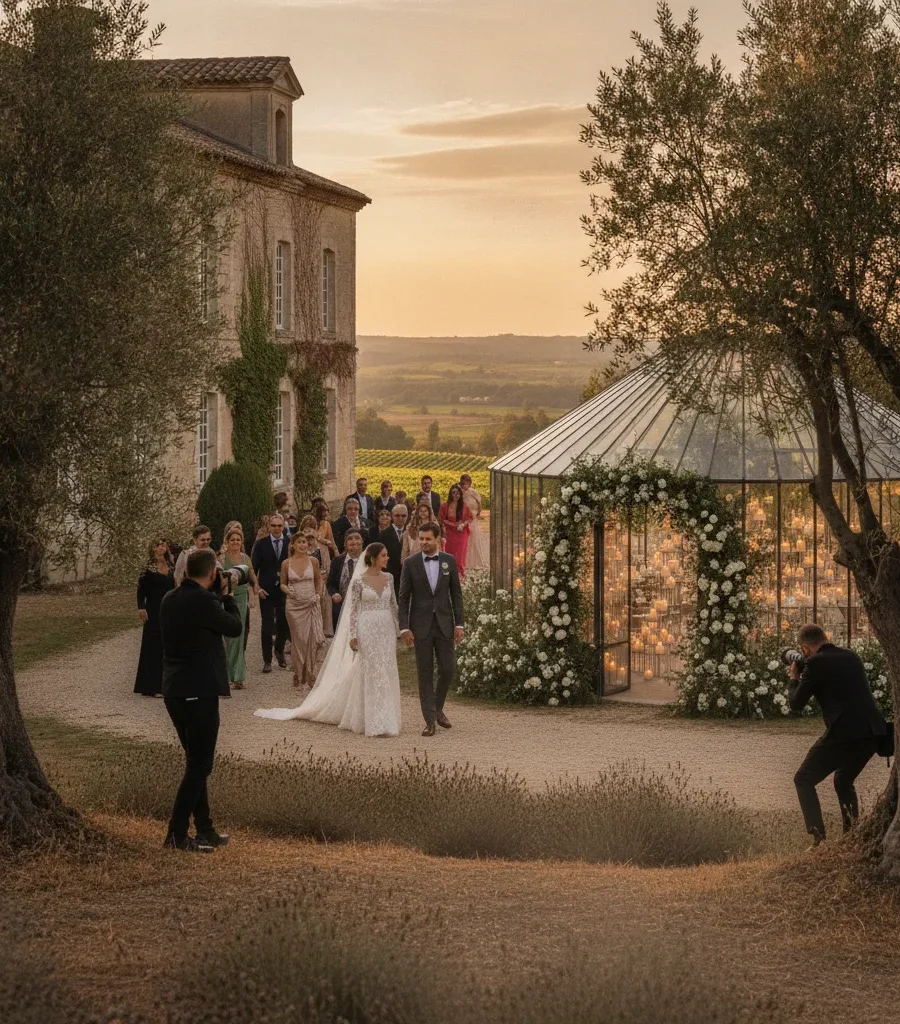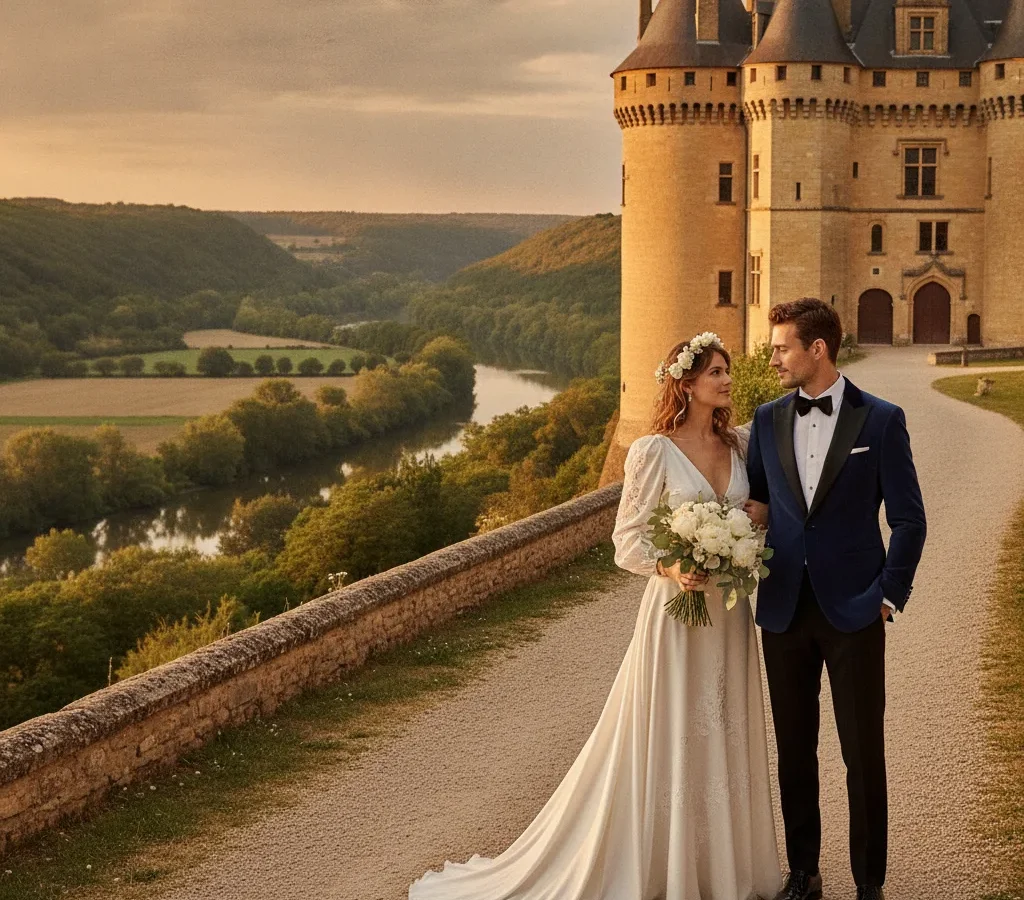
The Dordogne is the part of France that American couples rarely hear about first when they start researching a destination wedding Dordogne France, and that is exactly what makes it so compelling. While Provence and the Riviera dominate the conversation, this corner of South West France quietly offers medieval châteaux, golden stone villages, oak forests and a river valley that photographs like a painting.
A destination wedding in Dordogne France feels unhurried, deeply rooted and genuinely private, which is precisely what a multi day celebration needs. This guide covers the best areas, venue types, weekend formats, guest travel, seasonal light and how to choose the right photographer, written for couples and planners building a three or four day European celebration from across the Atlantic.
Destination Wedding Dordogne France – 2026 Venue Guide
Reading time: ~11 min
- Why the Dordogne is France’s most enchanting countryside secret
- Planning a destination wedding in Dordogne France, area by area
- Château wedding venues and countryside estates
- What a Dordogne wedding weekend actually includes
- Travel and guest logistics for international guests
- The best time of year for a Dordogne wedding
- Choosing a destination wedding photographer in Dordogne
- How far in advance should you book
- A quiet alternative worth considering
- Frequently asked questions
Why the Dordogne is France’s most enchanting countryside secret
The appeal of the region starts with its density of history. Châteaux, fortified villages, renovated barns and countryside manor houses sit within short driving distances of one another, surrounded by woodland, vineyards and the Dordogne and Vézère rivers.
Unlike destinations where estates share their grounds with hotel guests or commercial events, many Périgord properties are rented on an exclusive use basis for several nights, which transforms the celebration into a private house party rather than a timed venue booking.
The second reason is gastronomy. Périgord cuisine carries real weight with American guests who have travelled far: truffles, walnuts, duck, local cheeses and Bergerac and Monbazillac wines give the welcome dinner and rehearsal dinner a sense of place that no imported catering concept can replicate.
The third reason, and the one that matters most to us as photographers, is the light. Golden stone façades reflect late afternoon sun with a warmth that flatters skin tones and fabrics, while the valley mist and the deep greens of the countryside give morning and evening frames a cinematic depth that suits both fine art wedding photography and a documentary wedding photography approach.
For couples weighing a countryside wedding in France against the more photographed southern regions, the Dordogne offers something rarer than beauty. It offers quiet. There is no cruise port traffic, no August crowd pressure on the roads around your estate, and far fewer weddings competing for the same suppliers on the same weekend.
Planning a destination wedding in Dordogne France, area by area
The Dordogne is divided into four traditional zones, and each one creates a different visual and logistical experience. Choosing the right one early shapes your venue shortlist, your guest accommodation logistics and your airport transfers.
| Area | Character | Closest main airport | Best suited to |
|---|---|---|---|
| Périgord Noir | Oak forests, cliff top villages, Vézère Valley, Sarlat-la-Canéda | Bergerac or Brive | Dramatic scenery and medieval architecture |
| Périgord Pourpre | Vineyards and countryside estates around Bergerac | Bergerac | Wine focused weekends and easier arrivals |
| Périgord Blanc | Quieter limestone countryside, fewer tourist routes | Bergerac or Limoges | An intimate wedding in Dordogne with full privacy |
| Périgord Vert | Green, wooded and rural, smaller properties | Limoges | Small guest counts and relaxed estate stays |
Périgord Noir, centred on Sarlat-la-Canéda, is the most photogenic for couples who want the postcard version of medieval France. Périgord Pourpre around Bergerac balances scenery with practicality, since guests land closer to the venue. Périgord Blanc and Périgord Vert reward couples who prioritise seclusion over sightseeing, with private estate rental options that feel completely removed from tourism.
Good to know
Venue capacities, exclusivity terms, catering rules and noise restrictions vary enormously between Périgord properties, and they change from season to season. Always confirm these directly with the estate before signing, rather than relying on a listing or a blog.
Château wedding venues and countryside estates
A Dordogne château wedding can mean very different things depending on the property. Rather than chasing a list of names, it helps to think in terms of the experience each venue type delivers.
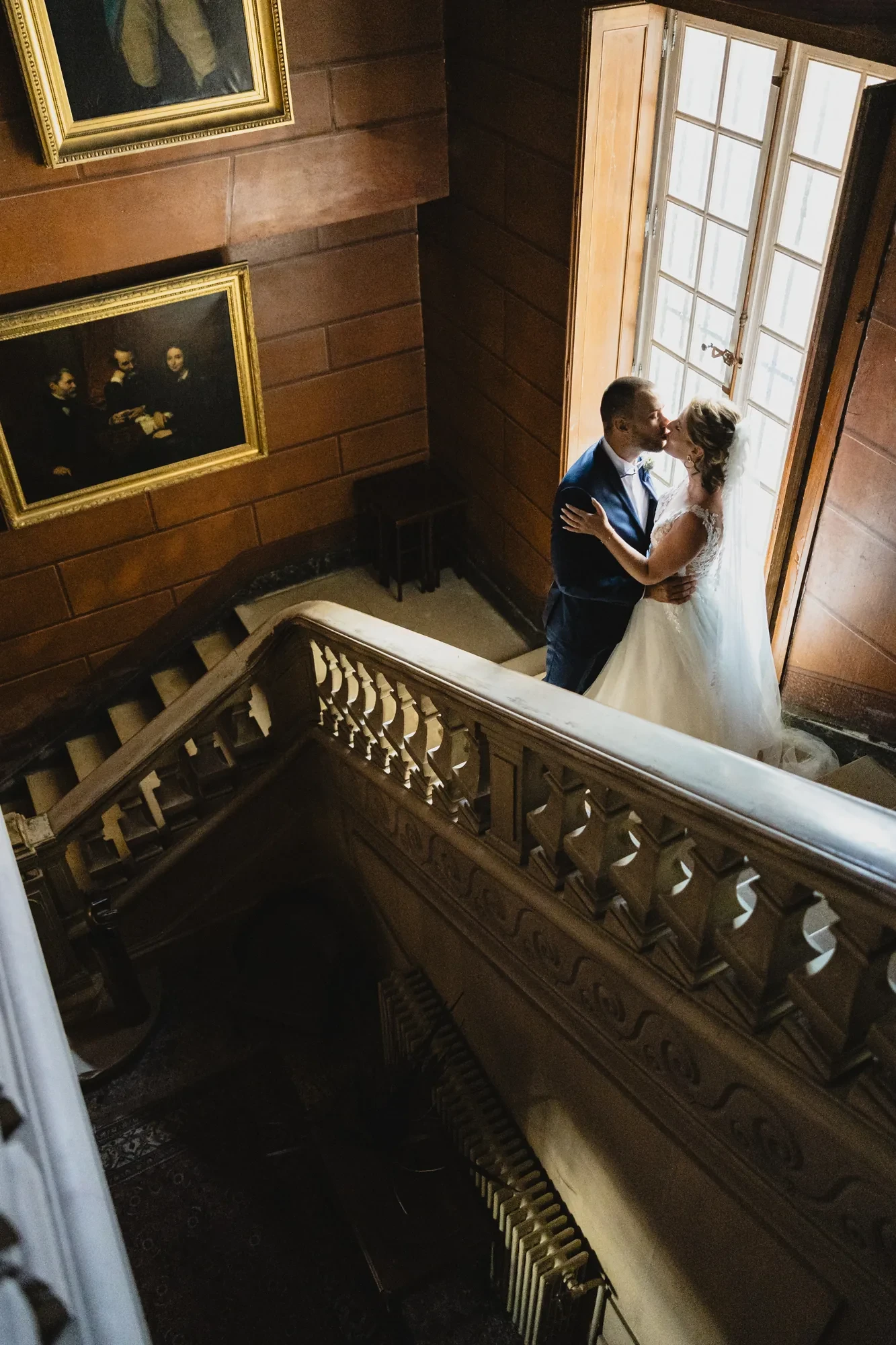
Historic châteaux suit formal celebrations with larger guest lists, garden ceremonies, long table outdoor receptions and editorial photography style portraits against architecture. Château La Durantie is often cited as a restored private estate with French gardens and courtyards that works well for multi day destination weddings, while Château de Puy Robert, a nineteenth century estate near Montignac-Lascaux, is presented as an exclusive use château wedding venue for up to around 130 guests. Both illustrate the format American couples look for: accommodation on site, enough interior space for a weather alternative, and grounds that give a photographer several distinct backdrops within walking distance.
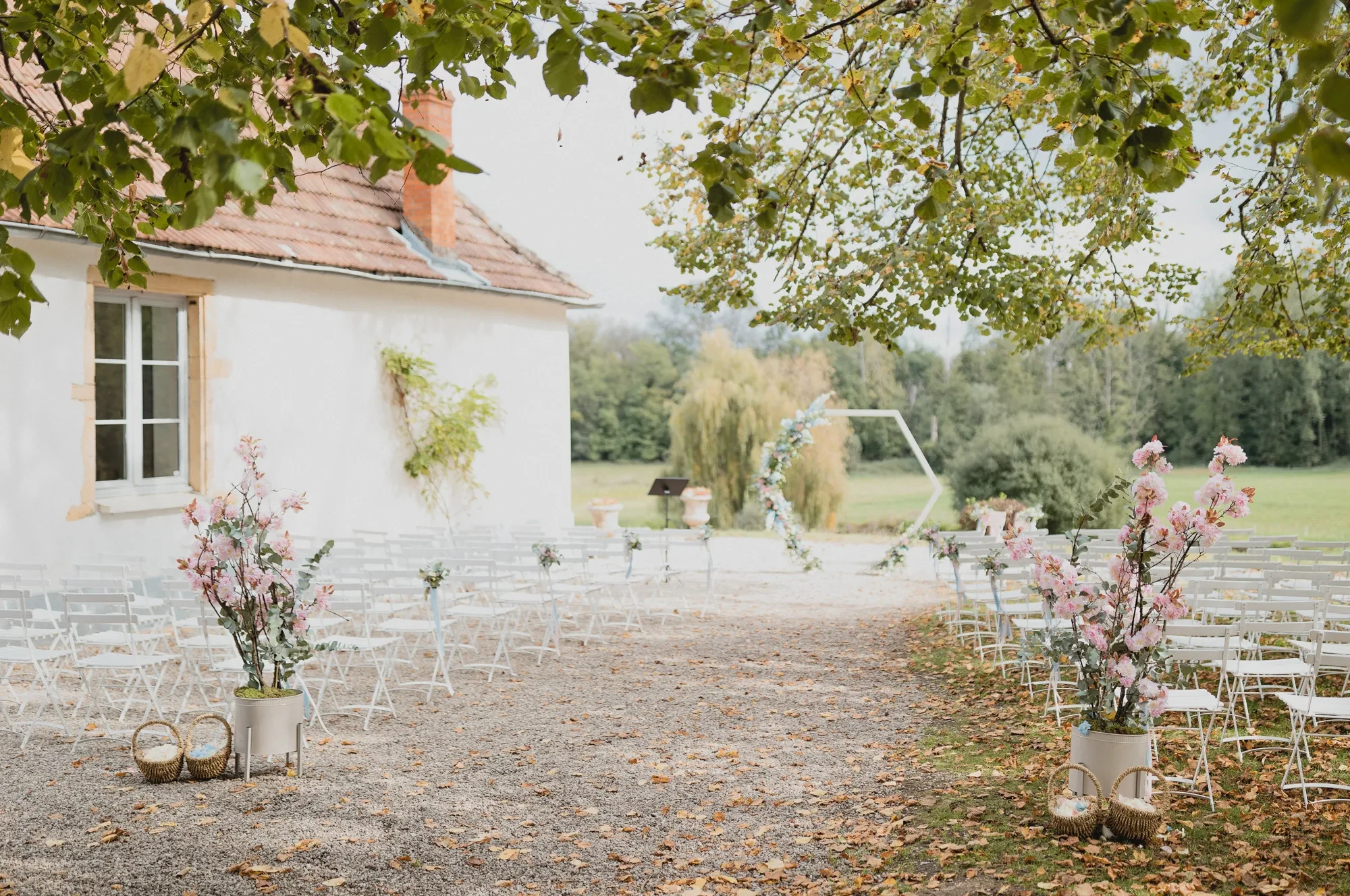
Private estates and countryside manor houses suit intimate celebrations of forty to eighty guests, where the whole family takes over the property for a long weekend. Renovated barns and rural domains suit couples who want a modern rustic design language, informal outdoor ceremonies under a wooden arch dressed with seasonal flowers, and long dinners that run late into the night. For ceremonies and cocktails with a view, Les Jardins de Marqueyssac, the historic gardens overlooking the Dordogne Valley, are frequently used for outdoor ceremonies and sunset drinks.
If you want to see how we approach château architecture and light in practice, our château work at Château d’Ailly and Château de Matel shows how stone, gardens and interiors shape a full day of storytelling.
What a Dordogne wedding weekend actually includes
A destination wedding in the Dordogne is almost never a single day. The weekend format exists because guests have flown eight to twelve hours to be there, and because exclusive use estates make it natural to stay several nights. Most celebrations we photograph in France follow a familiar rhythm across three or four days.
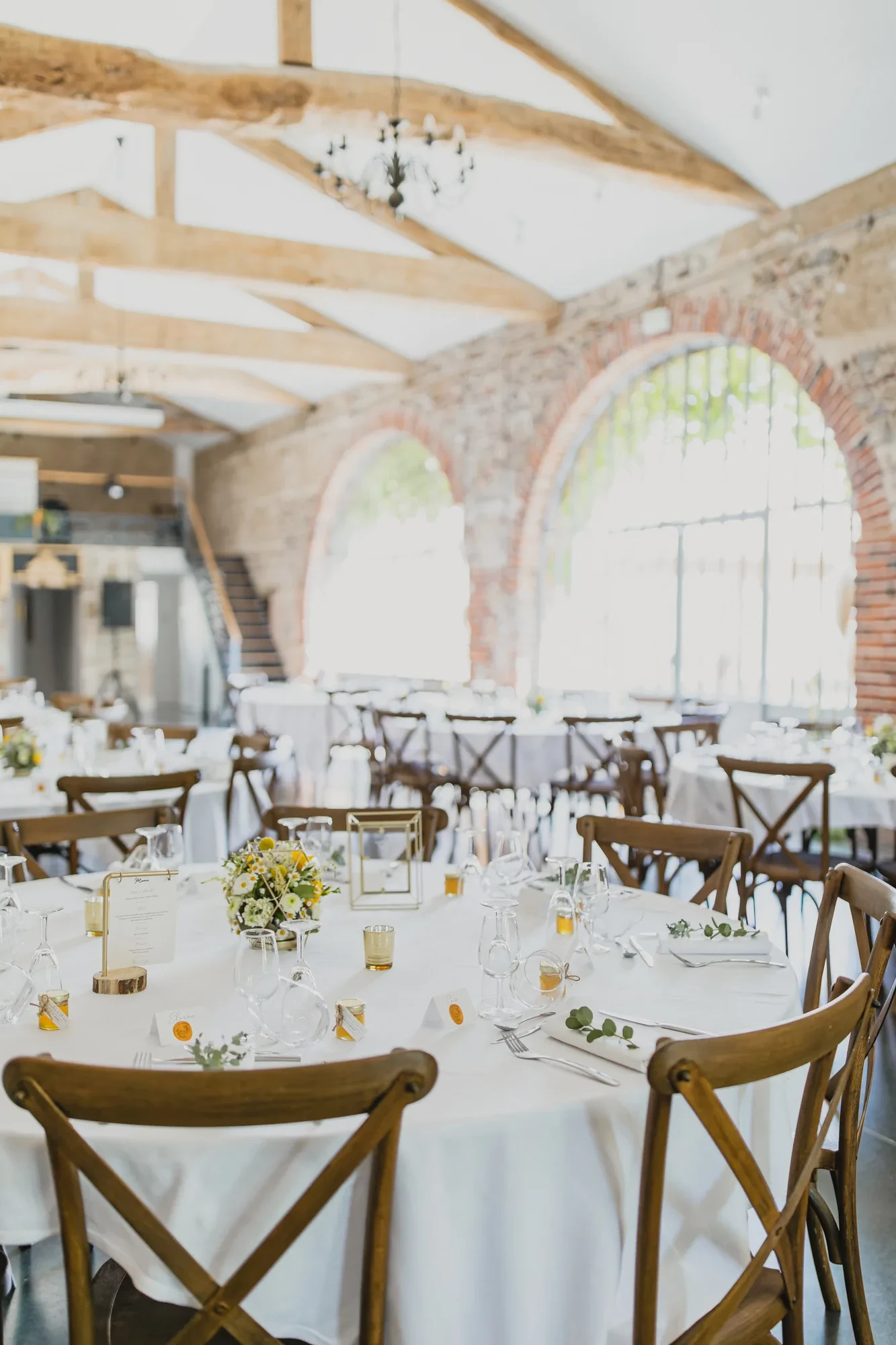
Here is how a typical wedding weekend in the Dordogne is structured:
- Thursday or Friday: guest arrivals, check in at the estate, welcome dinner or welcome drinks in the courtyard
- Friday evening: rehearsal dinner, often built around Périgord produce and local wine, sometimes in a nearby village restaurant
- Saturday: preparation, ceremony, cocktail hour, long table outdoor reception, dancing
- Sunday: post wedding brunch, pool afternoon, farewell, and occasionally a day after session in a village or garden
This format changes what coverage should look like. Visual consistency across four days matters as much as the wedding day itself, because the final story includes the first hug at the gate, the toast at the rehearsal dinner, the guest in a burgundy satin gown caught mid laugh under a gilded mirror, and the quiet walk through the vines the next morning. We plan multi day wedding celebrations as a single narrative, with stamina and a consistent edit, which is also what US planners expect when they submit a feature to a prestigious publication.
Travel and guest logistics for international guests
The practical question every American couple asks is how their guests actually get there. Photographers and planners working in the region commonly point to Bergerac, Brive, Limoges and Bordeaux as the relevant airports for the wider Dordogne and South West France destination wedding area. Bergerac Airport is the closest option for much of Périgord Pourpre and Périgord Noir, while Bordeaux-Mérignac Airport offers broader international connections and easier onward car hire for guests arriving from the United States, usually via Paris or another European hub.
Flight routes and seasonal schedules change year to year, so confirm current connections before you publish your wedding website. Beyond flights, the logistics that matter are group airport transfers, car hire for guests who want to explore Sarlat and the Vézère Valley, accommodation near the venue when the estate cannot host everyone, and accessibility for older relatives on gravel courtyards and château staircases. A good wedding planner in France will build an arrival and departure schedule that avoids everyone landing at once, which also protects your welcome dinner timing.
Important
French law requires a civil ceremony at a town hall with residency conditions that most international couples cannot meet. The usual solution is to complete the legal paperwork at home and hold a symbolic ceremony at the château, which should be confirmed with your planner and the local mairie.
The best time of year for a Dordogne wedding
Seasonal light is a real planning criterion in this region, not a detail. Late May and June bring long evenings, deep green landscapes and gentle warmth, with sunset late enough to allow golden hour portraits after the first courses. July and August are hot and busy on the tourist routes, which affects transfer times around Sarlat and the popular gardens, although estates set back in the countryside remain calm.
September offers the most reliable combination for photography: warm stone, harvest colour in the vineyards, softer midday light and earlier sunsets that make portrait timing easier to schedule. Early October can be beautiful, with mist on the river valley in the morning, though weather becomes less predictable and daylight shortens quickly.
Whichever month you choose, the practical rule is the same. Reserve twenty to thirty minutes for couple portraits around golden hour, and build a weather alternative into the plan. Stone interiors, orangeries and covered terraces in Périgord châteaux are often excellent in overcast conditions, since diffused light suits both skin tones and the fine details of a dress.
Choosing a destination wedding photographer in Dordogne
The photographer decision carries more weight on a destination weekend than at home, because you cannot meet in person and because the images are what remains of an enormous logistical effort. Being based in France rather than flying in matters for travel reliability, for knowledge of venue access rules, and for reading the direction of the sun over a specific courtyard in a specific month.
Before booking a destination wedding photographer in Dordogne, these are the questions worth asking:
Questions to ask your Dordogne wedding photographer
- Are you based in France, and have you worked at or visited our venue?
- How many multi day destination weddings have you covered from welcome dinner to farewell brunch?
- How do you balance documentary coverage with guided portraits so we never feel over directed?
- How do you photograph design details, tablescapes and floral installations for publication?
- What is included for travel, accommodation and a second photographer?
- How are images delivered, and what fine art album options are handcrafted in France?
For couples, the answer should sound like calm artistic direction rather than heavy posing. For planners, it should sound like seamless integration into the vendor team, black tie appropriate attire, fluent English, and absolute respect for a timeline built over a year. That is the role we take on every French château wedding, and you can read more about our approach at our wedding photographer page and see how we document full celebrations in our wedding portfolio.
How far in advance should you book
The strongest Périgord estates with exclusive use and on site accommodation are typically reserved twelve to eighteen months ahead for peak season Saturdays, and couples planning a 2026 or 2027 wedding should treat the venue as the first decision. Planner and photographer follow immediately after, because the best suppliers commit to a limited number of weekends per season in order to protect the quality of each one. Once the venue, planner and photographer are secured, everything else, from floral design to the day after session, can be built around a confirmed date.
Key takeaway
In the Dordogne, venue exclusivity is what makes the weekend format possible. Secure the estate first, then build the celebration and the visual story around it.
A quiet alternative worth considering
The Dordogne rewards couples who want authenticity over recognition. The châteaux are genuine, the villages are lived in, the food is regional, and the landscape changes character between morning mist and golden hour. For an intimate wedding in Dordogne or a full weekend with 130 guests, the region delivers an editorial setting with none of the noise of more saturated destinations.
If you are planning a celebration in Périgord and looking for a photographer who understands American luxury standards while working fluently on French soil, we would be glad to discuss your dates and venue through our contact page. Film coverage can be arranged alongside photography through our wedding videographer service.
FAQ
Can we hold an outdoor ceremony at a Dordogne château?
Yes, symbolic outdoor ceremonies in courtyards, gardens and woodland clearings are common across Périgord estates. Each property sets its own rules on ceremony locations, structures and noise curfews, so confirm in writing and always plan a covered alternative.
How many guests can a Dordogne estate usually host on site?
It varies widely by property. Some countryside manor houses sleep twenty to thirty people, while larger châteaux such as Château de Puy Robert are presented with exclusive use capacity of up to around 130 guests. Overflow accommodation in nearby villages and Sarlat is usually part of the plan.
Do you travel across France and Italy for destination weddings?
Yes. We are based in France and photograph celebrations across French regions and Italian destinations including Lake Como and Tuscany, which allows us to work with US planners without transatlantic travel risk.
What should we plan for a day after session?
A relaxed morning session in a village such as Sarlat-la-Canéda, in the château gardens or beside the river works beautifully. Allow around an hour, choose soft morning light, and treat it as an unhurried continuation of the weekend rather than a second photo shoot.
Do you offer fine art wedding albums?
Yes. We produce handcrafted fine art albums made in France, designed as heirloom objects that carry the full weekend story from welcome dinner to farewell brunch rather than the wedding day alone.