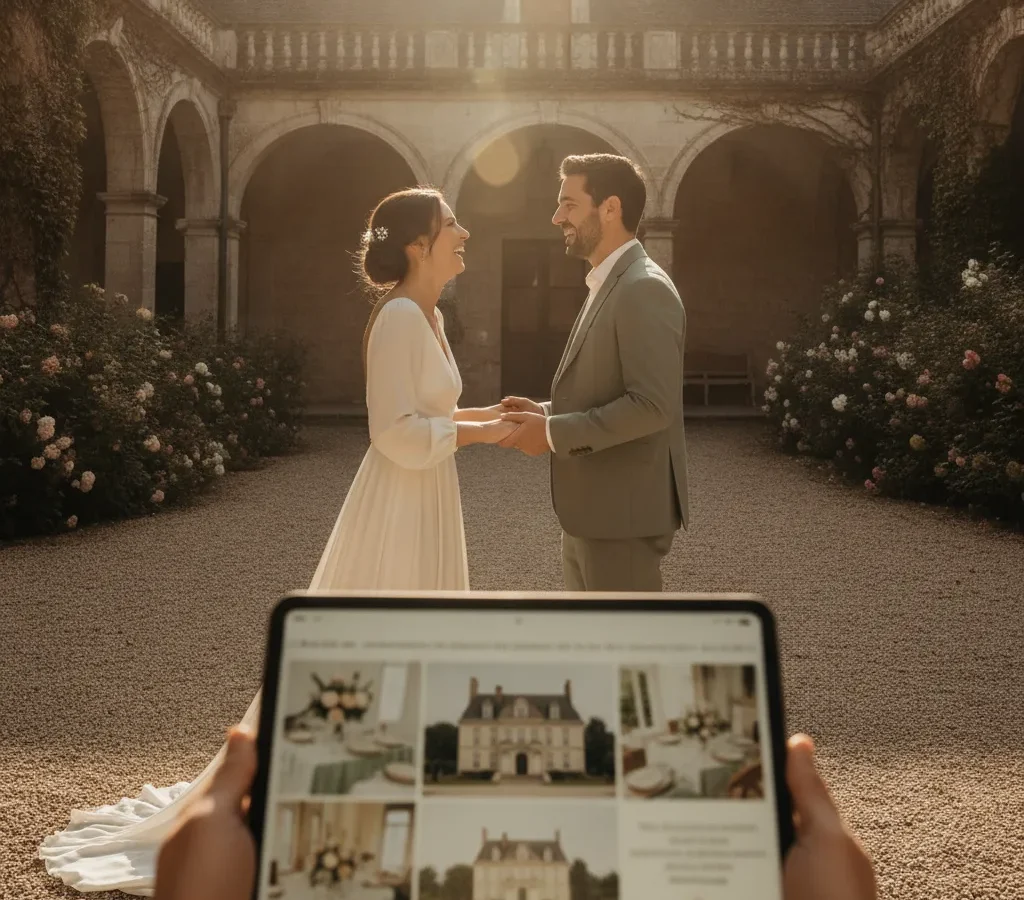
Almost every wedding we photograph begins in the same place, a Pinterest board saved late at night, somewhere between an apartment in San Francisco and a chateau in Burgundy. Moving from a Pinterest wedding mood board to reality is not a copy and paste exercise, it is a translation.
Behind each pin there is a quality of light, a color palette, a gesture, an atmosphere worth protecting. Our work is to decode that visual direction, turn it into a photographic plan, then step back so your day can unfold naturally. Here is exactly how that process works, from the first video call to the delivery of your handcrafted album.
From Pinterest Wedding Mood Board to Reality in 2026
Reading time: ~9 min
- What a Pinterest Wedding Mood Board Actually Is
- How to Create a Wedding Mood Board Worth Sending
- How We Take a Pinterest Wedding Mood Board to Reality
- Mood Board Versus Shot List, Two Different Documents
- What to Include Beyond Wedding Photos
- How and When to Share Your Board With Your Photographer
- Mistakes Worth Avoiding
- Frequently Asked Questions
- Turning Inspiration Into Your Wedding Album
What a Pinterest Wedding Mood Board Actually Is
A wedding photography mood board is a communication tool, not a shopping list. Its purpose is to express mood and atmosphere, a color palette, a lighting style and a photographic style that feel like you. When a couple tells us they want something warm, intimate, candlelit and editorial, that single sentence shapes more decisions than fifty saved images.
It tells us how we will meter for highlights at sunset, where we will place you during golden hour portraits, how much we will direct and how much we will simply observe.
A Pinterest wedding inspiration board becomes powerful when it stops being a collection of pretty pictures and starts describing an intention. The difference matters enormously for destination weddings, because the venue, the season and the light in Provence or on Lake Como will never be identical to the image you saved from a Californian vineyard. Inspiration versus replication is the line we work along, and it is the line that protects you from disappointment.
How to Create a Wedding Mood Board Worth Sending
Phase one: collect without editing
The first phase should be deliberately unfiltered. Specialist wedding planning resources recommend collecting fifty to one hundred references over two to three weeks, gathering images from Pinterest, wedding blogs, magazines, fashion, architecture and travel. Saving without judging allows your real preferences to surface rather than the trends you think you should like. Patterns always appear, a recurring warmth in the tones, a preference for backlight, a certain quietness in the way people are photographed.
Phase two: name the patterns
The second phase is naming what you see. Look across your saved images and identify the common threads, the color palette, the contrast level, the textures, the architecture, the emotions and the way clothing moves. Five to seven words are usually enough to summarise a visual identity, for example airy, romantic and timeless, or warm, organic and documentary. Those words travel far better than a link, because they describe an atmosphere rather than a pose.
Phase three: curate the board
The third phase is curation, and it is the one most couples skip. A board of three hundred pins is impossible for any vendor to interpret. Reducing the final selection to roughly ten to twenty representative images, as planning specialists consistently advise, gives your photographer a clear direction instead of a contradictory mosaic. Organising those images by category makes the board instantly usable, and a simple annotation under each one, explaining why it is there, turns image curation into a genuine creative brief.
Here are the categories we find most useful when a couple sends us a board before a multi-day celebration in France or Italy:
- Color palette, ideally with hex color codes or fabric samples so florists, stationers and we ourselves read the same tones.
- Light and atmosphere, including natural light references, candlelit receptions and the warm tones you associate with evening.
- Venue and architecture, to show the scale and composition you respond to.
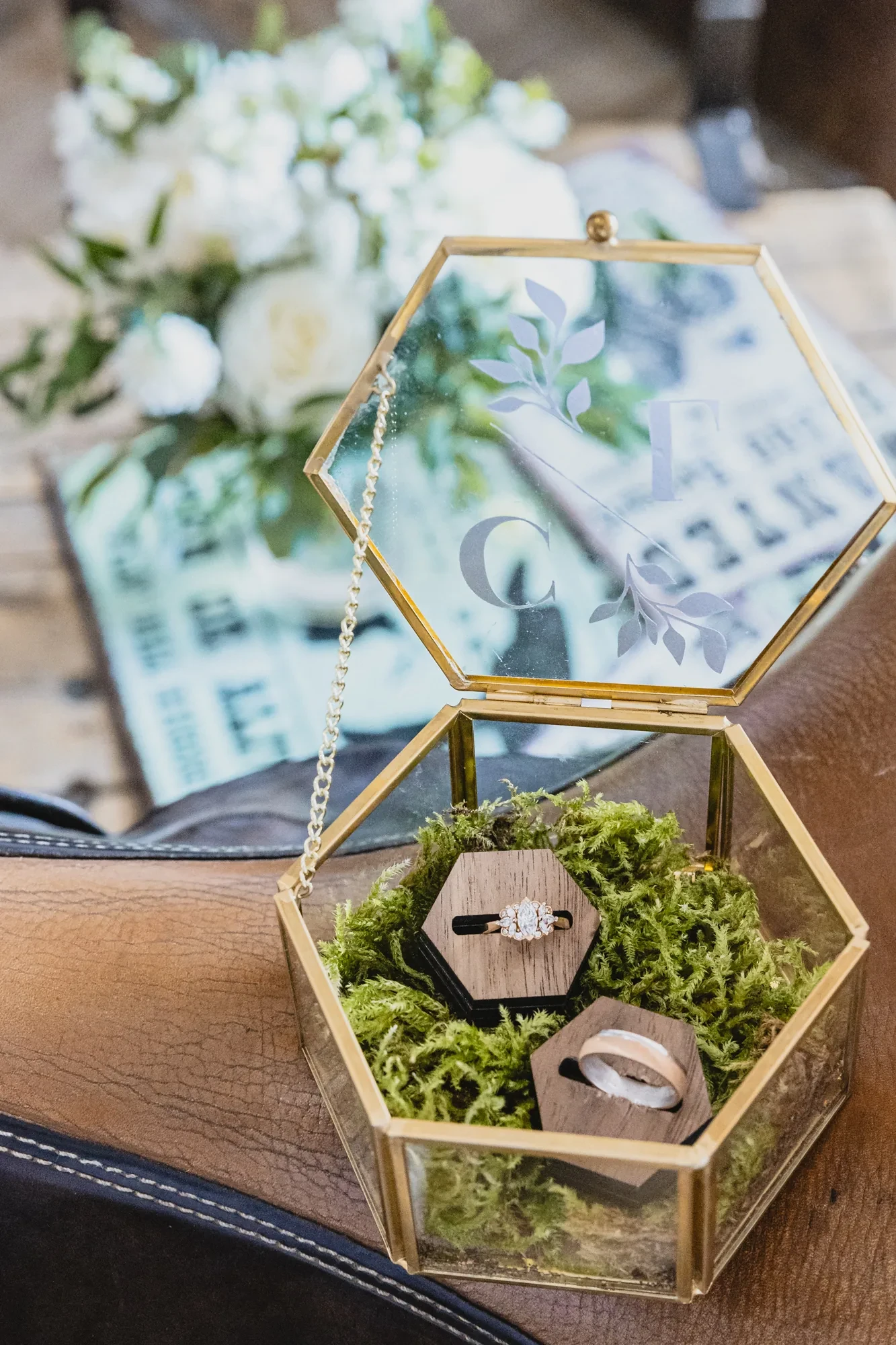
- Attire, textures and details, from a satin gown reflected in a gilded mirror to embroidery, ceramics or a wooden ceremony arch dressed with flowers.
- Portraits and key moments, the handful of images that describe the emotional register you want, not the exact poses.
How We Take a Pinterest Wedding Mood Board to Reality
Decoding your references
Our creative consultation usually happens on a video call several weeks before the wedding, once your planner has locked the design concept. We go through your board image by image and ask a single question each time, what do you love here. The answer is rarely the dress or the location. It is the side light on a shoulder, the distance between the camera and the couple, the fact that nobody is looking at the lens, the grain, the restraint of the editing.
Turning inspiration into a plan
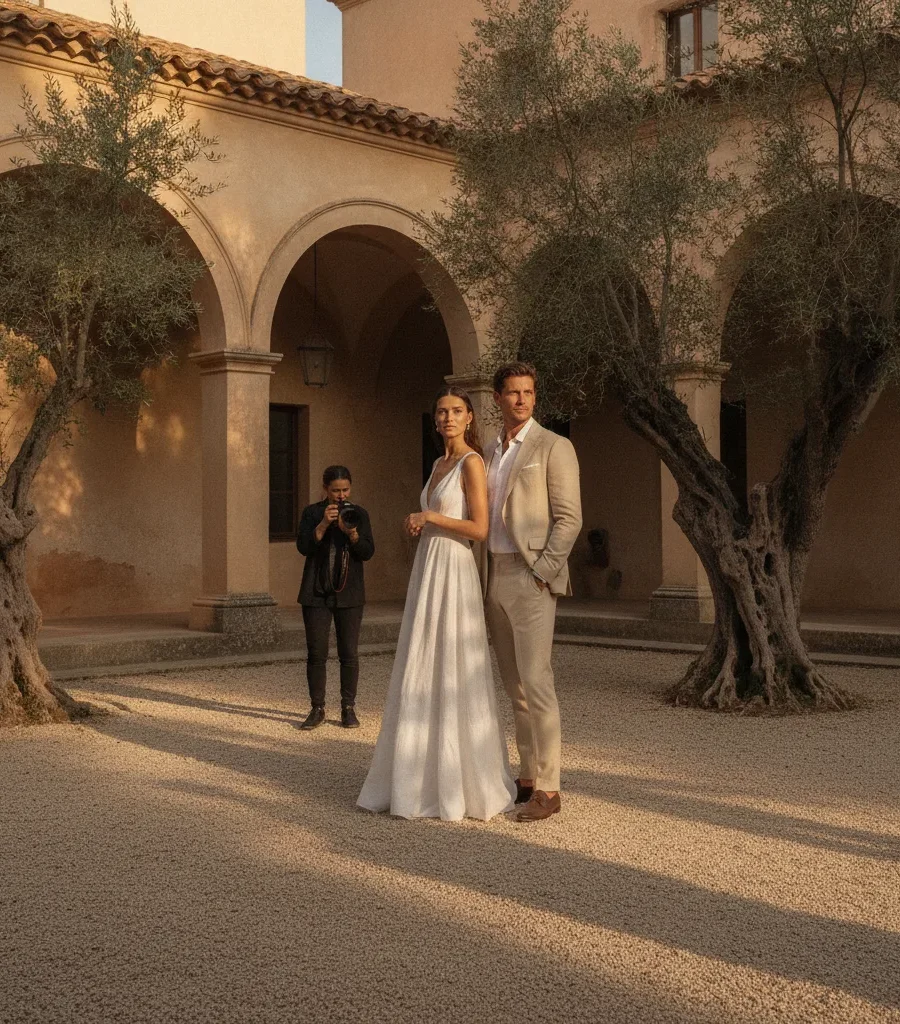
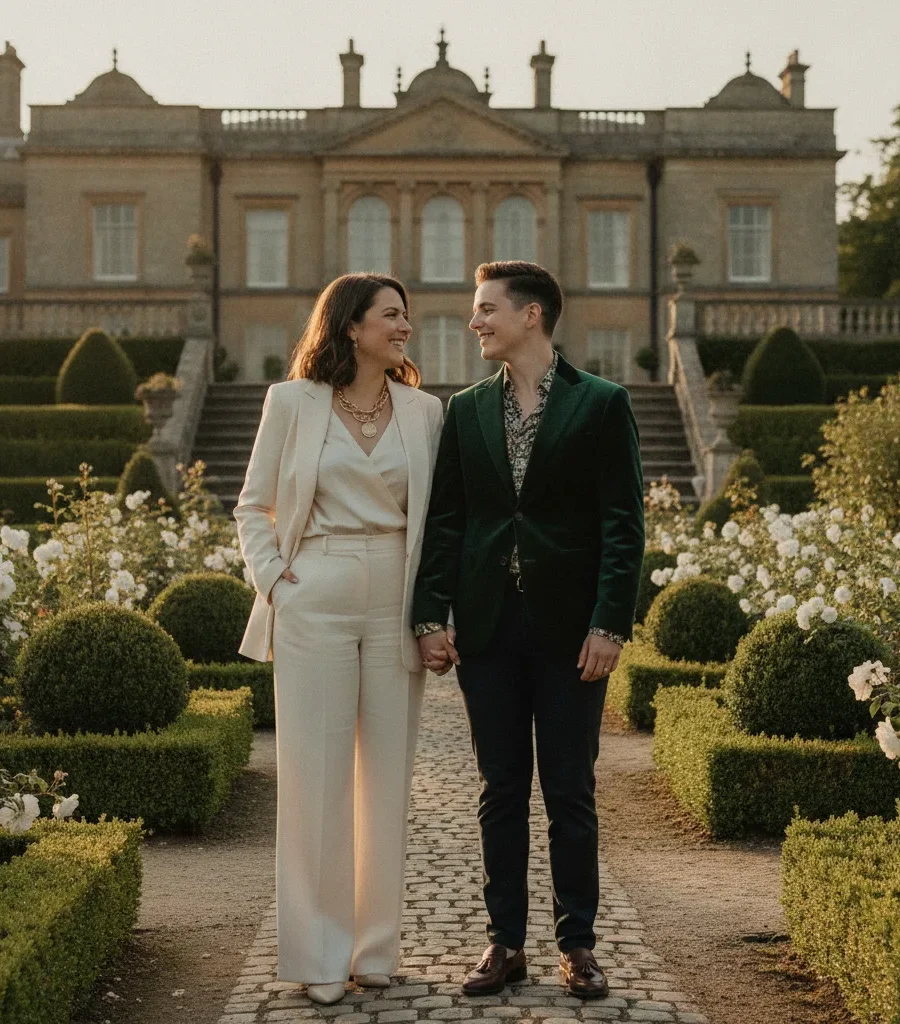
From there we rewrite your references as photographic instructions. An image of a couple glowing against a hedge becomes a plan to shoot twenty minutes of golden hour portraits in the formal gardens, with a backup location in the orangery if the mistral blows. A moody dinner shot becomes a conversation with your planner about candle density and ambient light levels in the dining room. A detailed tablescape becomes a slot in the photo timeline, fifteen quiet minutes before guests enter, when the florals, stationery and glassware are pristine. This is where artistic interpretation meets logistics, and where aesthetic cohesion across a welcome party, a rehearsal dinner, a wedding day and a farewell brunch is actually built.
For our planner partners, this process has a second benefit. The design elements you conceptualised over a year are photographed with intent, with the compositions and texture references that prestigious submissions require, and the sneak peeks that follow reflect the same visual identity you briefed. You can see how that consistency reads across full celebrations in our portfolio, from a chateau weekend to an intimate ceremony above Lake Annecy.
Good to know
We keep your mood board open on a second screen while we edit. Aligning the final grade with your stated color palette is what makes a gallery feel like your wedding rather than a generic set of images.
Mood Board Versus Shot List, Two Different Documents
Confusing the two is the most common planning mistake we see. The mood board describes direction, the shot list guarantees coverage. You need both, and they serve different people at different moments of the day.
| Criteria | Wedding mood board | Shot list |
|---|---|---|
| Purpose | Define mood, palette, light and photographic style | Guarantee specific people, groups and details are photographed |
| Format | Ten to twenty curated and annotated images | Written list with full names and order of groupings |
| Timing | Shared weeks before, during the creative consultation | Confirmed in the final planning meeting, used on the day |
| Flexibility | Interpreted, never replicated | Executed precisely |
| Typical use | Editorial direction, detail coverage, portrait approach | Family portraits, heirlooms, cultural rituals, VIP guests |
For the shot list, practical planning guides suggest allowing roughly two to three minutes per family grouping, which lets us build a realistic photo timeline with your planner instead of compressing twenty combinations into ten rushed minutes. Naming each person explicitly avoids the awkward search through a crowd of two hundred international guests.
What to Include Beyond Wedding Photos
Beyond wedding imagery
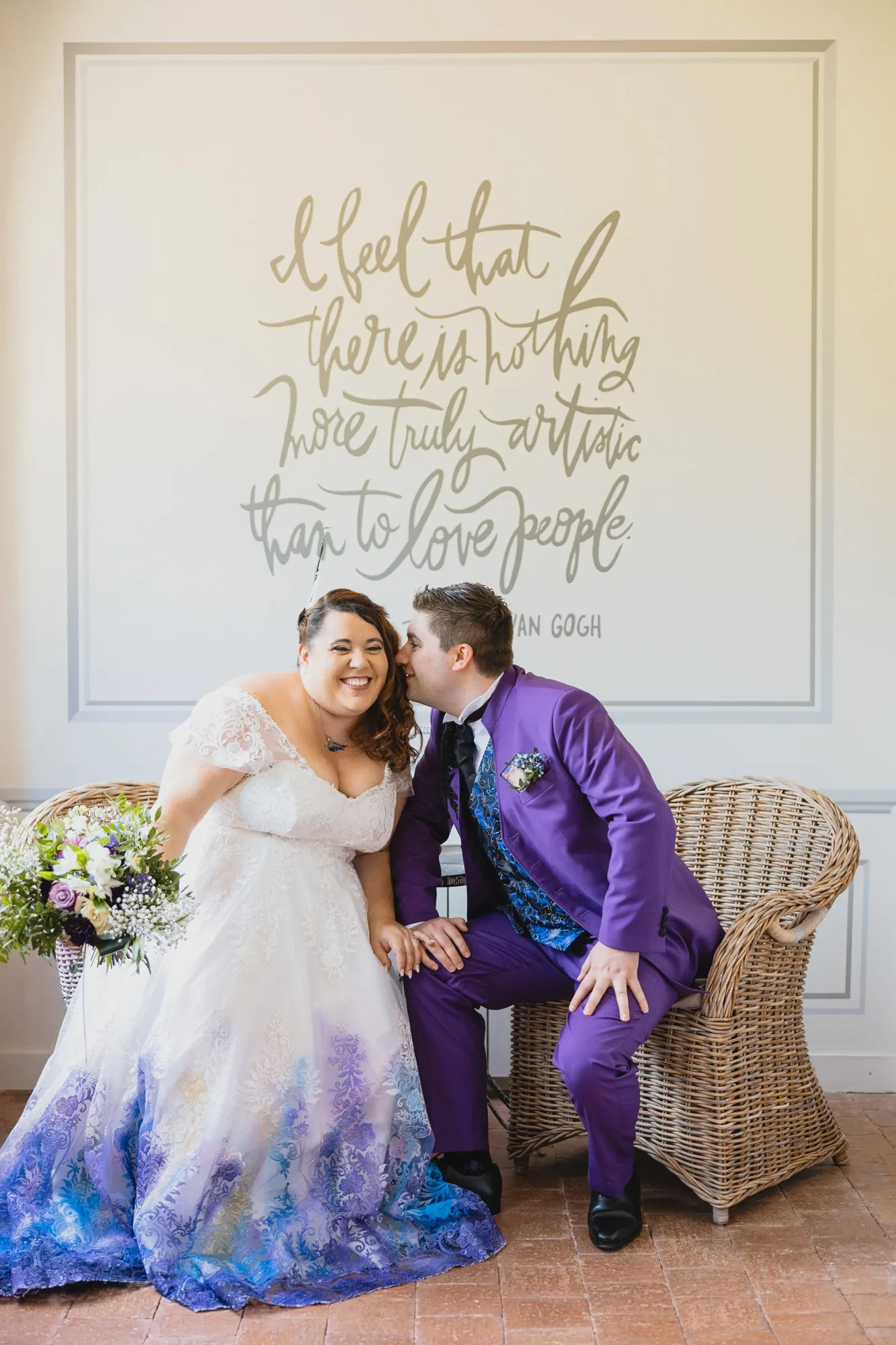
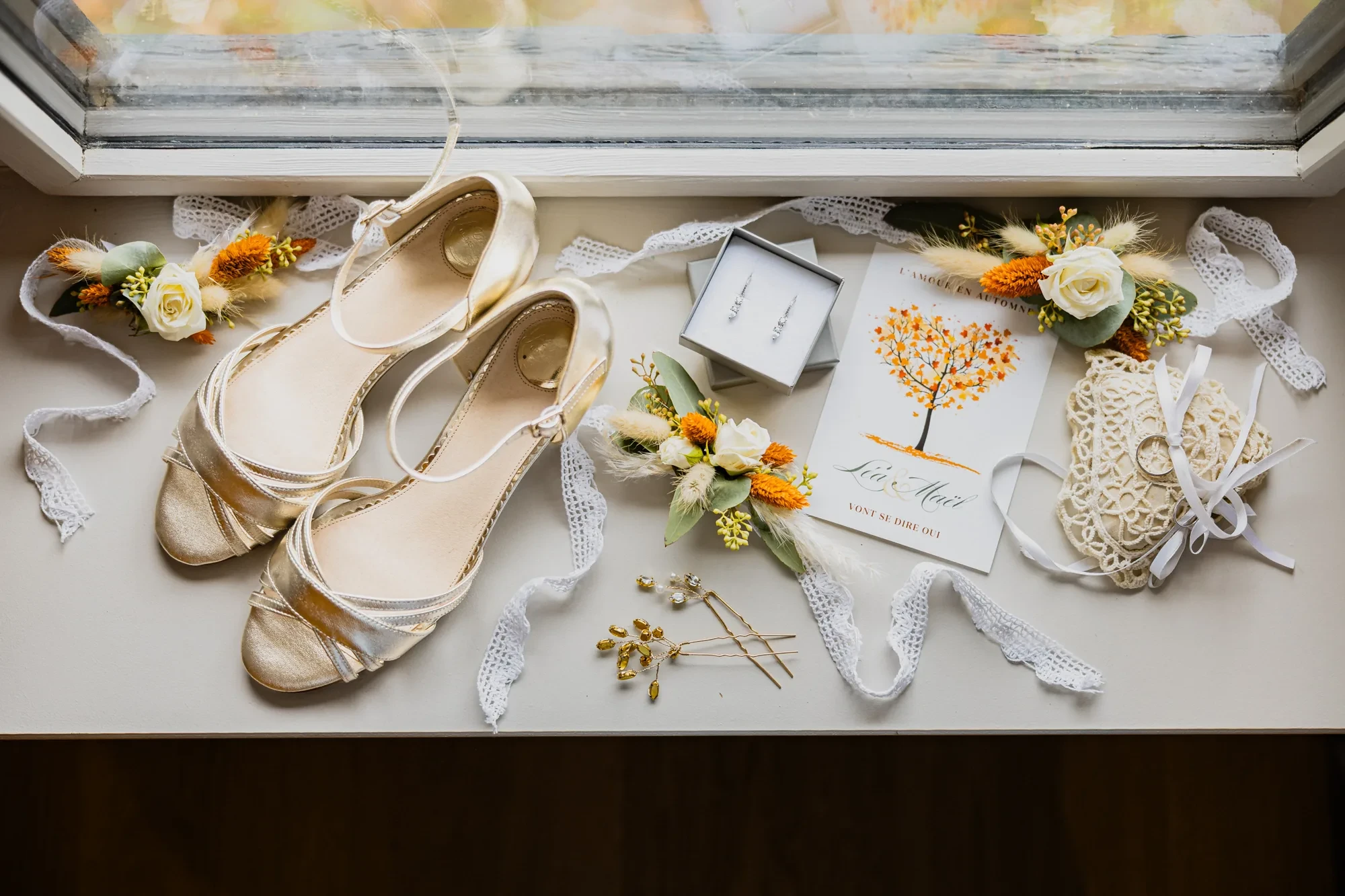
Some of the most useful boards we receive contain very few wedding images. Fashion editorials explain how you want to be styled and how you want fabric to move. Architecture and travel photography explain composition and scale. Typography, paper samples, materials and textures help your whole vendor team build one coherent visual identity, an approach widely recommended by editorial resources such as The Knot and Junebug Weddings.
Add a few real wedding images too, because they show realistic conditions, real guests and the genuine candid moments that editorial shoots never contain. That balance is what makes realistic wedding photo expectations possible.
Tools for building your board
Tools matter less than clarity. Pinterest is excellent for collecting, while Canva or Milanote are better for building the final one page board with annotations and swatches. A single page is far easier for a vendor team to work from than an endless scroll.
How and When to Share Your Board With Your Photographer
Share it early, ideally during the planning phase and always before the final production meeting, not three days before the ceremony. Send the curated version rather than the raw board, explain in a few lines what you love in each image, and separate general inspiration from non negotiable moments.
Mention venue constraints, the ceremony time, the orientation of the terrace at sunset and any family sensitivities. If you are unsure how to structure that brief, we provide a questionnaire and walk through it together, and you can start that conversation at our contact page.
Important
Images on Pinterest belong to the photographers who created them. Professional bodies such as the Professional Photographers of America are clear on this point, which is why we use your references as direction and never as a template to reproduce.
Mistakes Worth Avoiding
The boards that create friction usually share the same flaws, too many images, incompatible styles sitting side by side, references shot in a bright summer vineyard for a candlelit winter reception, and the expectation that a specific photograph will be recreated identically.
A mood board that ignores the real venue, the real season and the real light sets everyone up for a difficult conversation. A board that embraces them gives your photographer the freedom to produce images that look like your reference world and, more importantly, like your actual wedding.
Taking a Pinterest board to a finished gallery is a collaboration. Narrow the selection, name the mood, explain the why, flag the non negotiables, then leave room for interpretation. That balance is what allows us to work as discreet observers while quietly directing light, placement and timing, and it is how a saved image becomes a photograph you will print, frame and keep in an album made in France.
FAQ
How many images should be on a wedding photography mood board?
Ten to twenty curated images are generally more effective than hundreds of pins. Planning specialists even suggest staying close to ten for the final board, because a tight selection keeps the visual direction unambiguous for every vendor who reads it.
Should I send my Pinterest board directly to my photographer?
Send a curated and annotated version rather than the raw link. Explaining what you appreciate in each image, the light, the framing, the emotion, gives far more usable information than a board of unexplained saves to your wedding photographer.
How early should I share my mood board?
As soon as your venue and design concept are confirmed, usually several months out. Early sharing allows the photo timeline, the golden hour window and the detail coverage to be built around your references instead of being improvised.
What if my partner and I have different aesthetics?
Build separate boards first, then merge them during the consultation. We help identify the overlapping elements, usually the light and the emotional register, and we design a cohesive approach from there.
Does a mood board limit a photographer’s creativity?
A good one does the opposite. It removes guesswork about taste, which frees us to focus on composition, timing and the unrepeatable candid moments that no board can anticipate.
Turning Inspiration Into Your Wedding Album
A Pinterest wedding mood board works best when it becomes a communication tool rather than a collection of impossible to copy images. By narrowing the board, identifying the visual patterns and explaining the desired light, mood and moments, couples can give their photographer useful creative direction while leaving room for authentic images that reflect the real wedding day.