Planning a six- or seven-figure destination wedding across the Atlantic is an art in itself. The more complex the weekend, the more you need transatlantic communication for wedding planning that is precise, proactive and calm. As a Europe-based wedding photographer working mainly with US planners and Californian couples, my role starts long before I pick up the camera. It begins in our inboxes, on Zoom and inside shared timelines.
In this article I walk you through the exact workflow I use with US planners to keep every voice heard, every design element documented and every time zone under control. From the first email to multi-day coverage and gallery delivery, you will see how I structure tools, meetings and responsibilities so you can trust the process and focus on the experience.
Mastering transatlantic communication for wedding planning: my workflow for seamless collaboration with US planners
Temps de lecture : ~10 min
- What transatlantic communication for wedding planning really means
- My communication ecosystem – tools that keep everyone aligned
- Time zones and availability – how I work on US hours from Europe
- A step-by-step look at my transatlantic workflow
- During the wedding weekend – communication in real time
- After the wedding – fast, curated communication for PR and social
- How this workflow compares to alternatives
- A final word on creating ease across the Atlantic
What transatlantic communication for wedding planning really means
Transatlantic communication for wedding planning is the way we coordinate a wedding when the couple and planner are based in the US and the celebration happens in Europe. In practice this means aligning expectations, logistics and aesthetics across different time zones, languages and working styles.
For a luxury destination wedding photographer and a US planner, this communication covers several layers: vision and mood for the weekend, travel logistics, local constraints, multi-day coverage structure (welcome party, rehearsal dinner, wedding day, farewell brunch) and editorial needs for blogs and magazines. All of this must feel effortless to the couple, even though it is deeply organized behind the scenes. My goal is to become an extension of your team. You lead the production. I protect the imagery, the light and the emotional arc of the story, while keeping our communication channel clear and predictable.
My communication ecosystem – tools that keep everyone aligned
Key tools for transatlantic communication for wedding planning
To integrate naturally into a US planner’s workflow, I use a simple but robust ecosystem built around tools you already know. The idea is not to introduce yet another platform, but to adapt to the way you and your clients like to work.
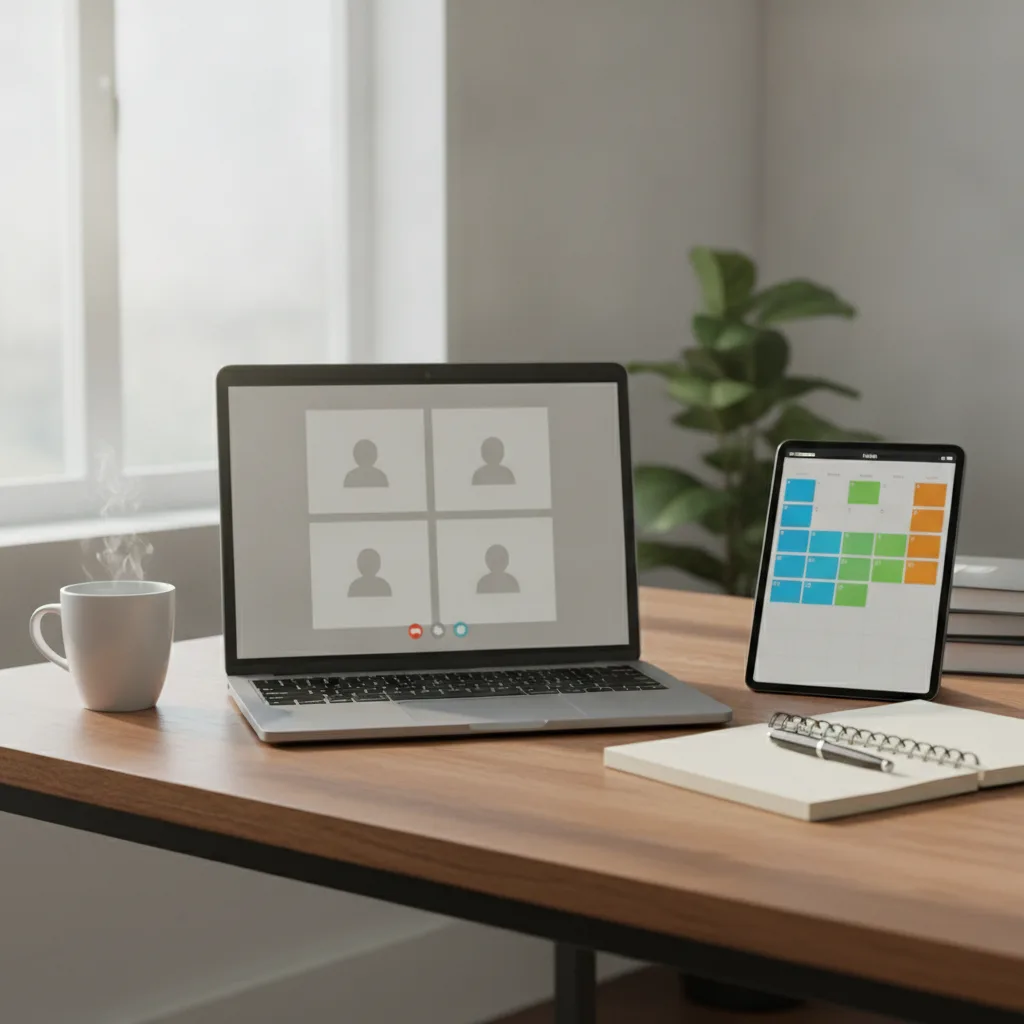
| Tool | Primary use |
|---|---|
| Email (Gmail / agency domain) | Contracts, proposals, schedules, call recaps |
| Video calls (Zoom / Meet) | Introductions, design deep dives, timeline review |
| Shared docs (Drive / PM tool) | Timelines, shot lists, design priorities |
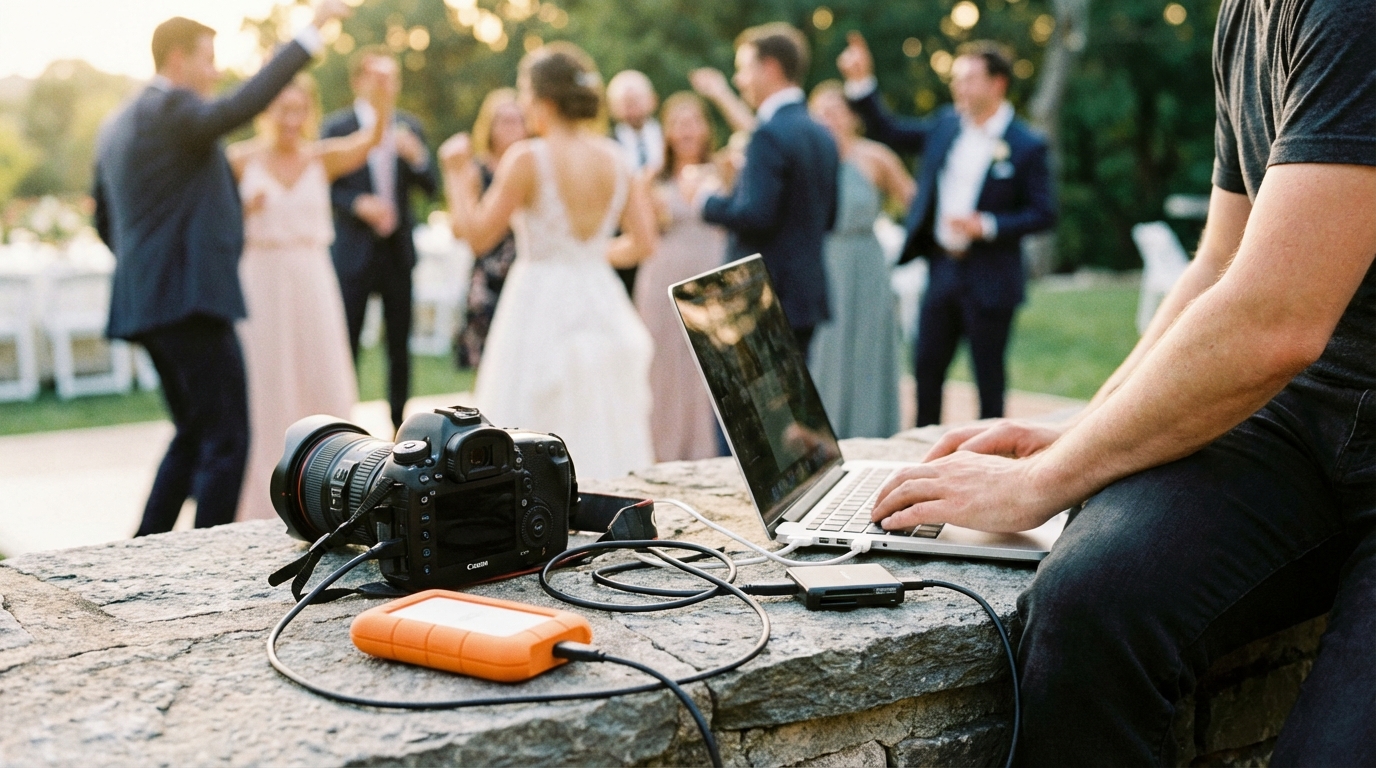
| Instant messaging (WhatsApp / Slack) | Quick on-site updates, later confirmed by email |
Time zones and availability – how I work on US hours from Europe
Managing time zones and availability
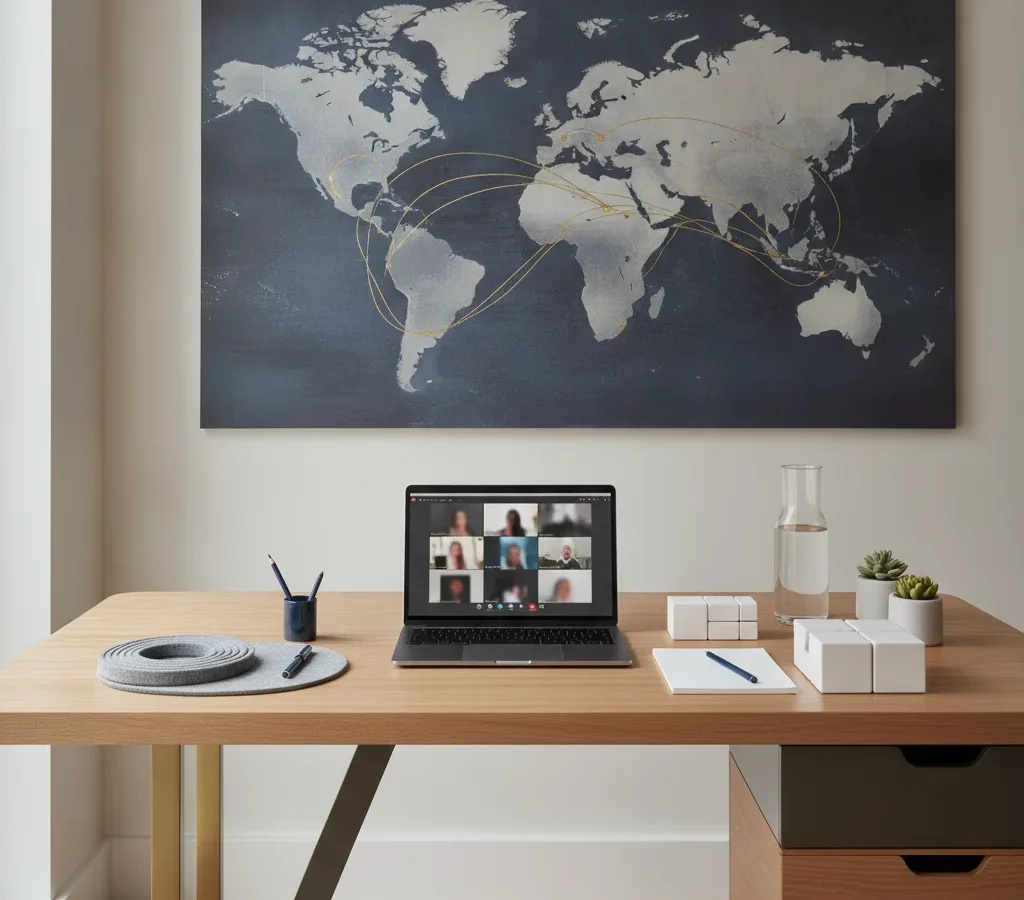
Dedicated US-friendly call windows: two to three days per week I open slots that overlap comfortably with West Coast business hours. A 9 am call in Los Angeles is 6 pm for me and is part of my standard schedule in high season. Response-time commitments: you receive an email response within one business day at most, often much faster. During the week of the event we switch to near real-time messaging for urgent matters. Pre-scheduled milestone meetings: kickoff call after booking; design and vision call 6–9 months out; timeline and logistics call 60–30 days before the wedding; final check-in the week of the event. This rhythm removes uncertainty and keeps everyone aligned.
A step-by-step look at my transatlantic workflow
1. Initial inquiry and alignment
First contact usually comes from the planner, sometimes from the couple. Within 24 hours I confirm availability, introduce myself with links to relevant multi-day galleries and suggest Zoom times in your time zone. The initial call is mainly for listening: your role, the couple’s priorities, budget range and the overall shape of the weekend.
2. Tailored proposal for multi-day coverage
After our call I send a proposal shaped around the real structure of the celebration—welcome cocktail, rehearsal dinner, wedding day, post-wedding brunch or location session. Coverage per event, travel, accommodation and delivery (digital gallery, French fine-art albums, optional prints) are all spelled out to cut down later back-and-forth.
3. Contract, retainer and legal clarity
Contracts and invoices are digital and written for cross-border work. They define jurisdiction, payment schedule for US clients, travel clauses, and postponement / cancellation policies so we can focus on creativity once signed.
4. Deep dive into design and storytelling
We schedule a design call with you and, when possible, the floral or event designer to align visual priorities. Topics include venue architecture, key installations, stationery, linens, textures and couture pieces. I also study any visual references—Vogue Weddings, Over The Moon, your past events—so the imagery feels both editorial and emotionally alive.
5. Timeline architecture together
Portraits and group photos are adapted to light at each location; key moments are protected from transport delays; design details are photographed undisturbed in ideal light. I mirror any updates from your master timeline so we always work from one shared source of truth.
6. Final run-through and arrival on site
A week before departure we confirm vendor contacts, dress codes and weather contingencies. I arrive at least one day before the first event to absorb venues, light and movement well ahead of guests.
During the wedding weekend – communication in real time
I operate with polish and discretion, blending artistic direction with invisibility. All coordination flows through the planner or production manager to avoid conflicting instructions. Between each chapter of the weekend we have quick stand-ups to confirm sequences, last-minute changes and design priorities. When I suggest adjustments—such as moving portraits by fifteen minutes for better light—I always offer a clear reason and an alternative that respects your schedule.
After the wedding – fast, curated communication for PR and social
Within days you receive a curated sneak-peek set: emotional highlights for the couple plus clean detail and establishing shots for your PR. If you plan to submit to a leading blog or magazine, we coordinate selections so the story is cohesive and on-brand.
The full gallery arrives in an intuitive, event-segmented interface. For couples who choose fine-art albums, we collaborate on a museum-grade layout handcrafted in France. I remain available for specific crops or files you may need for portfolios, submissions or lookbooks.
How this workflow compares to alternatives
A US-based photographer shares your time zone and cultural references but often involves higher travel costs and less day-to-day familiarity with European venues. A local European photographer without international processes offers proximity yet may lack experience with US luxury standards and editorial expectations. My approach merges both strengths: Europe-based, fluent in English, and fully structured around US planners and couples—minimising friction while meeting luxury and design expectations.

Mid-article CTA: If you are planning a multi-day celebration in France or Italy and need a photography partner who integrates seamlessly with your team, explore my approach and portfolio on the Lino Ludovic website.
FAQ
How do you manage time zones when planning a transatlantic wedding?
I plan transatlantic communication for wedding planning around US-friendly call windows that overlap comfortably with West Coast business hours, commit to answering emails within one business day, and schedule milestone meetings well in advance. During the week of the wedding we rely on near real-time messaging for anything urgent, always confirming important decisions by email so the whole team stays aligned.
What tools do you use to keep everyone aligned throughout the planning process?
I build communication around tools US planners and couples already use: email for contracts, proposals and recaps; Zoom or Google Meet for in-depth calls; shared documents or project-management platforms for timelines, shot lists and priorities; and WhatsApp or Slack for quick on-site updates. This keeps transatlantic communication for wedding planning simple, centralised and easy to reference at any moment.
When should we start transatlantic communication for wedding planning with you?
The process usually begins as soon as the planner reaches out with dates and a general outline of the celebration. After booking, we schedule a design and vision call 6–9 months before the wedding, followed by a detailed timeline and logistics call 60–30 days out and a final check-in during the week of the event. This phased approach gives us time to refine the creative direction while locking in logistics step by step.
A final word on creating ease across the Atlantic
Transatlantic communication for wedding planning does not have to be complicated. With clear US-hour call windows, structured documents, deep respect for your timeline and an editorial yet emotive eye, our collaboration can feel as smooth as working in the same city. If you are a US planner or an American couple dreaming of an elegant European celebration, discover how I support complex, multi-day weddings in France and Italy through my portfolio and services on Lino Ludovic.